

Chimney Remote vs Local Control: Complete Guide
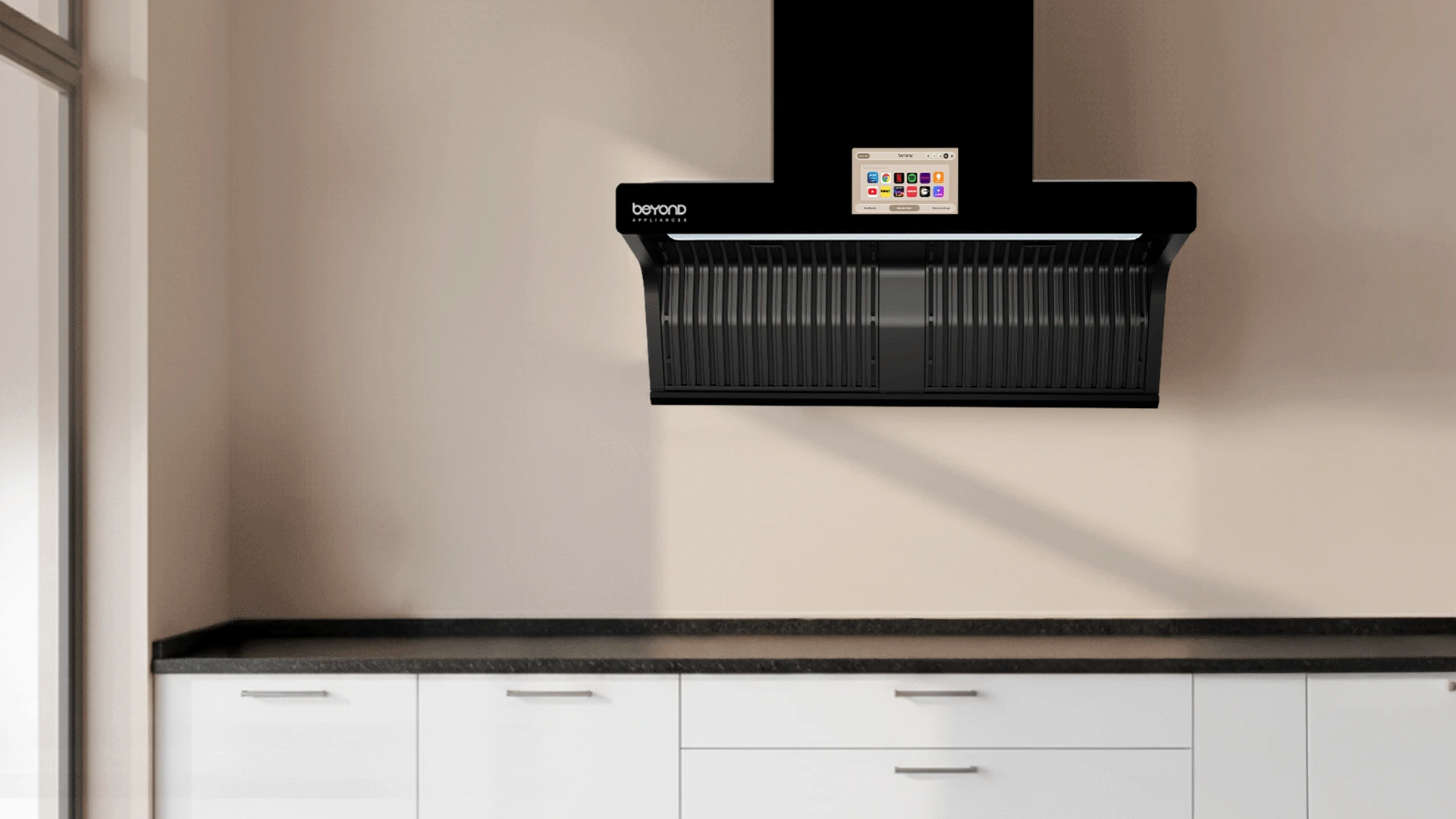
Modern kitchens demand smart solutions that blend convenience with efficiency. When choosing a kitchen chimney, one of the most important decisions you'll face is selecting between remote control and local control systems. This choice impacts your daily cooking experience, energy consumption, and long-term satisfaction with your kitchen ventilation. Understanding the differences between these chimney control options helps you make an informed decision that matches your lifestyle and cooking habits. Both systems offer unique advantages, and the right choice depends on your specific needs, kitchen layout, and budget considerations.
The evolution of chimney technology has transformed how we interact with kitchen ventilation systems. Traditional local chimney control requires direct physical interaction with buttons or touch panels mounted on the chimney unit itself. These systems offer immediate, reliable operation through direct contact with the appliance. Remote control chimney systems, on the other hand, provide wireless operation through handheld remotes, smartphone apps, or voice commands. These smart chimney solutions integrate advanced technology to offer greater convenience and flexibility in operation.
• Operation Method: Local control uses physical buttons; remote systems use wireless signals • Range: Local control requires proximity; remote systems work from across the kitchen • Technology: Local systems are mechanical; remote systems incorporate digital technology • Cost: Local control is more budget-friendly; remote systems command premium pricing • Maintenance: Local systems have fewer electronic components; remote systems require battery management
Remote control chimney systems represent the pinnacle of kitchen chimney automation. These sophisticated units offer unprecedented convenience through wireless operation and smart integration capabilities. Modern kitchen chimney remote systems extend far beyond basic on/off functionality. They provide comprehensive control over suction speeds, lighting, timer settings, and advanced features like motion sensors. The Motion Sensor Control technology allows users to turn the chimney on or off easily with high-sensitivity motion sensors by just waving hands, eliminating the need for physical contact during cooking.
Advanced remote control chimneys connect to smartphone applications, enabling operation from anywhere within the home. These apps provide real-time status updates, maintenance reminders, and energy consumption tracking.
Many modern units integrate with voice assistants, allowing hands-free operation through simple voice commands. This feature proves invaluable when hands are occupied with cooking tasks.
The Auto Turn Off feature allows users to set timers to run the chimney for desired durations. This eliminates the need for manual reminders or worrying about forgetting to turn the chimney off, enhancing both convenience and energy efficiency.
Local chimney control systems rely on physical interaction through buttons, touch panels, or mechanical switches mounted directly on the chimney unit. These systems offer straightforward, reliable operation without dependency on wireless technology or batteries. The Button Control & Display Screen technology provides clear visual feedback without touchscreen complexity. The display shows changes made via buttons, such as speed adjustments or timer settings, ensuring users always know the current operational status.
Local control systems provide instant response to user inputs without signal delays or connectivity issues. This direct connection ensures consistent performance regardless of external factors.
Local control systems typically cost less initially and have fewer electronic components that might require replacement over time. Their mechanical nature often translates to longer operational life with minimal maintenance requirements.
Remote control systems offer compelling benefits that justify their premium pricing for many households. The convenience factor alone transforms the cooking experience, allowing effortless chimney operation from any position in the kitchen. Safety represents a significant advantage of remote chimney systems. Users no longer need to reach over hot cooking surfaces to adjust settings, reducing the risk of burns or accidents. This feature proves especially valuable during intensive cooking sessions with multiple burners active.
Remote operation eliminates the need to reach over cooking surfaces, significantly reducing accident risks. The AI Whistle Counter technology adds another safety layer by counting whistles and alerting users with beep alarms when the set number is reached.
Smart scheduling capabilities optimize energy consumption by automatically adjusting operation based on cooking patterns and requirements. This intelligent management can reduce electricity costs over time.
Modern remote control chimneys seamlessly integrate with existing smart home systems, creating a cohesive, automated kitchen environment that responds to user preferences and cooking habits.
The latest smart chimney innovations incorporate artificial intelligence and advanced sensor technology to create truly autonomous kitchen ventilation systems. These units automatically detect cooking activities and adjust operation accordingly. Sensor integration includes smoke detection, heat monitoring, and humidity sensing to provide optimal ventilation without manual intervention. The Dry Heat Auto Clean technology represents a breakthrough in maintenance automation, cleaning the motor with dry heat technology where jammed oil and particles melt and collect in the oil collection tray.
Advanced systems learn from cooking patterns and automatically activate when cooking begins, adjusting suction power based on detected smoke or heat levels.
Smart systems monitor their own performance and alert users when maintenance is required, ensuring optimal operation and extending appliance life.
The financial consideration between remote and local control systems extends beyond initial purchase price. Remote control chimneys typically cost INR 5,000 to INR 15,000 more than comparable local control models, depending on features and brand positioning. Installation costs remain similar for both systems, though remote control units may require additional setup for smart features and connectivity. Long-term maintenance costs favor local control systems due to fewer electronic components and no battery replacement requirements.
Energy efficiency improvements and convenience benefits of remote systems can offset higher initial costs over 3-5 years of regular use, particularly in households with frequent cooking activities.
Some manufacturers offer hybrid systems that combine local control with optional remote accessories, providing upgrade flexibility without full smart system investment.
Remote control allows wireless operation from anywhere in the kitchen using remotes or smartphone apps, while local control requires direct physical interaction with buttons or panels on the chimney unit itself.
Yes, remote control chimneys typically cost INR 5,000 to INR 15,000 more initially, but energy efficiency and convenience benefits can justify the investment over time through reduced electricity costs and enhanced user experience.
Some manufacturers offer retrofit remote control kits for specific models, but compatibility varies significantly. Check your chimney's manual or contact the manufacturer to determine upgrade possibilities for your specific unit.
Most remote control chimneys include backup battery systems for basic functions, though advanced smart features may be limited during extended power outages. Local control systems typically continue operating normally during power restoration.
Remote control systems excel in large kitchens as they eliminate the need to walk to the chimney unit for adjustments. The wireless operation proves especially convenient when cooking at multiple stations or entertaining guests.
Both systems offer excellent reliability when properly maintained. Local controls have fewer electronic components that might fail, while remote systems depend on wireless connectivity and battery life but offer backup manual controls.
Choosing between remote and local chimney control depends on your specific needs, cooking habits, and budget considerations. Remote control systems offer unmatched convenience, safety benefits, and smart home integration capabilities that transform the cooking experience. Local control systems provide reliable, cost-effective operation with minimal maintenance requirements. Consider your kitchen layout, cooking frequency, and long-term goals when making this important decision. Both options deliver excellent ventilation performance, so the choice ultimately comes down to personal preferences and lifestyle requirements.
