

Chimney Filter Pressure Drop: Complete Kitchen Guide
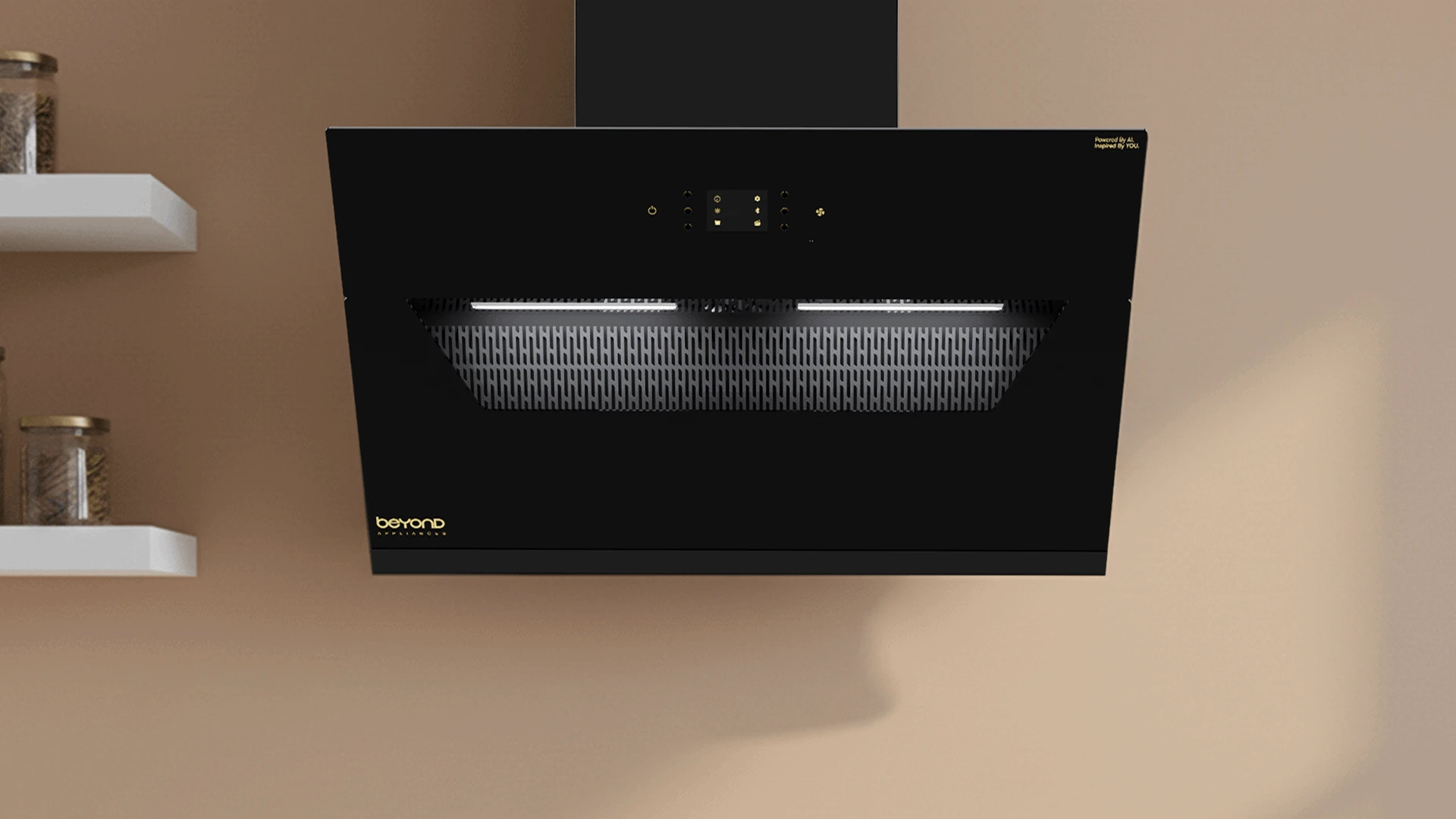
Understanding what chimney filter pressure drop means is crucial for maintaining an efficient kitchen ventilation system. Pressure drop refers to the resistance that air encounters when passing through your chimney filter, directly affecting how well your range hood removes cooking smoke, grease, and odors. When pressure drop increases beyond optimal levels, your kitchen chimney works harder while delivering poorer performance, leading to lingering cooking smells and reduced air quality. This comprehensive guide explains everything you need to know about filter pressure drop, from basic concepts to practical maintenance solutions that keep your cooking ventilation running smoothly.
Pressure drop in kitchen chimneys represents the difference in air pressure between the inlet and outlet sides of your filter. Think of it like breathing through a straw - the narrower or more blocked the straw, the harder you must work to draw air through it. Similarly, when your chimney filter becomes clogged with grease and debris, air flow resistance increases, creating higher pressure drop.
Pressure drop measures how much your filter restricts air movement through your ventilation system. Clean filters typically maintain low pressure drop, allowing maximum air flow with minimal motor strain. As filters collect grease and particles during cooking, pressure drop gradually increases until cleaning or replacement becomes necessary.
High air flow resistance forces your chimney motor to work harder while moving less air. This reduced efficiency means cooking smoke and grease particles linger longer in your kitchen, defeating the purpose of having a quality ventilation system.
Denser filters with finer mesh naturally create higher initial pressure drop but capture smaller particles more effectively. The key lies in balancing filtration efficiency with acceptable pressure levels for your specific cooking habits and chimney motor capacity.
Optimal pressure drop ensures your range hood operates efficiently without overworking the motor. Excessive pressure drop reduces air flow, increases energy consumption, and can lead to premature motor failure, making regular monitoring essential for long-term performance.
The science behind filter pressure drop involves fluid dynamics principles that govern air movement through porous materials. When air passes through your chimney filter, it encounters resistance from the filter media, accumulated grease, and debris particles. This resistance creates pressure differential that your motor must overcome to maintain adequate air flow.
Air molecules collide with filter fibers and trapped particles, losing momentum and creating pressure drop. Clean filters allow smooth air flow with minimal turbulence, while dirty filters create chaotic air patterns that dramatically increase resistance.
Several factors influence pressure drop including filter material, mesh density, grease accumulation, installation angle, and ductwork configuration. Understanding these variables helps optimize your ventilation system performance.
Healthy pressure drop typically ranges from 0.1 to 0.3 inches of water column for residential kitchen chimneys. Readings above 0.5 inches indicate cleaning or replacement needs, while extremely high readings suggest serious blockage requiring immediate attention.
High pressure drop severely compromises your chimney's ability to capture cooking emissions at the source. Reduced air flow allows smoke and grease to escape the capture zone, spreading throughout your kitchen and potentially into adjacent rooms.
Recognizing early warning signs of increased filter pressure drop helps prevent performance degradation and costly repairs. Your kitchen chimney communicates its condition through various observable symptoms that indicate when maintenance attention is needed.
Noticeably weaker suction at cooking surfaces indicates rising pressure drop. You might observe that steam and cooking vapors escape the capture area more frequently, requiring higher fan speeds to achieve previous performance levels.
When filters become restrictive, cooking smells persist longer after meal preparation. Strong odors that previously cleared quickly now linger for hours, indicating compromised ventilation efficiency.
Your chimney motor works harder against increased resistance, consuming more electricity while delivering reduced performance. You might notice the motor running longer or requiring higher speed settings for basic cooking tasks.
Thick grease accumulation on filter surfaces clearly indicates high pressure drop conditions. When grease layers become visible, air flow restriction has already significantly increased beyond optimal levels.
Motor strain from high pressure drop often produces unusual sounds including grinding, whining, or vibration. These acoustic warnings suggest immediate filter maintenance to prevent motor damage.
Understanding what causes pressure drop increases helps prevent problems before they impact your cooking experience. Multiple factors contribute to rising resistance, from normal use patterns to installation issues that compound over time.
Cooking grease naturally accumulates on filter surfaces, gradually filling mesh openings and creating barriers to air flow. Heavy cooking, especially frying and grilling, accelerates this buildup process significantly.
Airborne particles from cooking and general kitchen activity collect on filter surfaces alongside grease. This combination creates dense blockages that dramatically increase air flow resistance.
Using filters with inappropriate mesh density for your cooking style creates unnecessary pressure drop. Heavy cooking requires robust baffle filters, while light cooking works well with finer mesh options.
Damaged filter frames or torn mesh sections disrupt air flow patterns, creating turbulence that increases pressure drop. Regular inspection helps identify structural issues before they worsen performance.
Incorrect filter positioning or loose mounting creates air leaks and turbulence that increase pressure drop. Proper installation ensures optimal air flow patterns through the filter media.
Regular maintenance keeps filter pressure drop within acceptable ranges while extending your ventilation system's lifespan. Proper cleaning techniques and schedules prevent performance degradation that leads to costly repairs or premature replacement.
Remove filters carefully and soak in warm water with degreasing detergent for 15-20 minutes. Gently scrub with soft brushes to remove stubborn grease, rinse thoroughly, and air dry completely before reinstalling.
Heavy cooking requires monthly filter cleaning, while moderate use allows 6-8 week intervals. Light cooking extends cleaning cycles to 2-3 months, though visual inspection should occur monthly regardless of usage patterns.
DIY cleaning handles routine maintenance effectively, while professional service addresses deep cleaning and system optimization. Annual professional maintenance ensures optimal performance and identifies potential issues early.
Replace filters when cleaning no longer restores proper air flow or when structural damage becomes apparent. Quality filters typically last 2-3 years with proper maintenance before replacement becomes necessary.
Use appropriate fan speeds during cooking, avoid overloading cooking surfaces, and maintain consistent cleaning schedules. These practices significantly extend filter life while maintaining optimal pressure drop levels.
Monitor your chimney's performance monthly by observing air flow strength and cooking odor clearance. Visual filter inspection during routine cleaning provides early warning of pressure drop increases.
Yes, excessive pressure drop forces motors to work beyond design limits, leading to overheating, reduced lifespan, and potential failure. Regular maintenance prevents costly motor replacement.
Optimal pressure drop ranges from 0.1 to 0.3 inches of water column for residential systems. This range balances effective filtration with efficient motor operation.
Professional measurement requires specialized equipment, but you can assess performance by monitoring air flow strength and comparing current performance to when filters were new.
High pressure drop reduces ventilation efficiency, allowing cooking emissions to remain in your kitchen longer. This directly impacts indoor air quality and can affect respiratory comfort.
Understanding chimney filter pressure drop empowers you to maintain optimal kitchen ventilation performance. Regular cleaning, proper filter selection, and timely replacement keep pressure drop within healthy ranges while ensuring efficient cooking smoke and grease removal. Monitor your system's performance monthly, address issues promptly, and invest in quality filters that match your cooking habits. With proper maintenance, your kitchen chimney will provide years of reliable service while maintaining excellent indoor air quality.
