

Best Hobs for Cooking Efficiency: Complete Guide
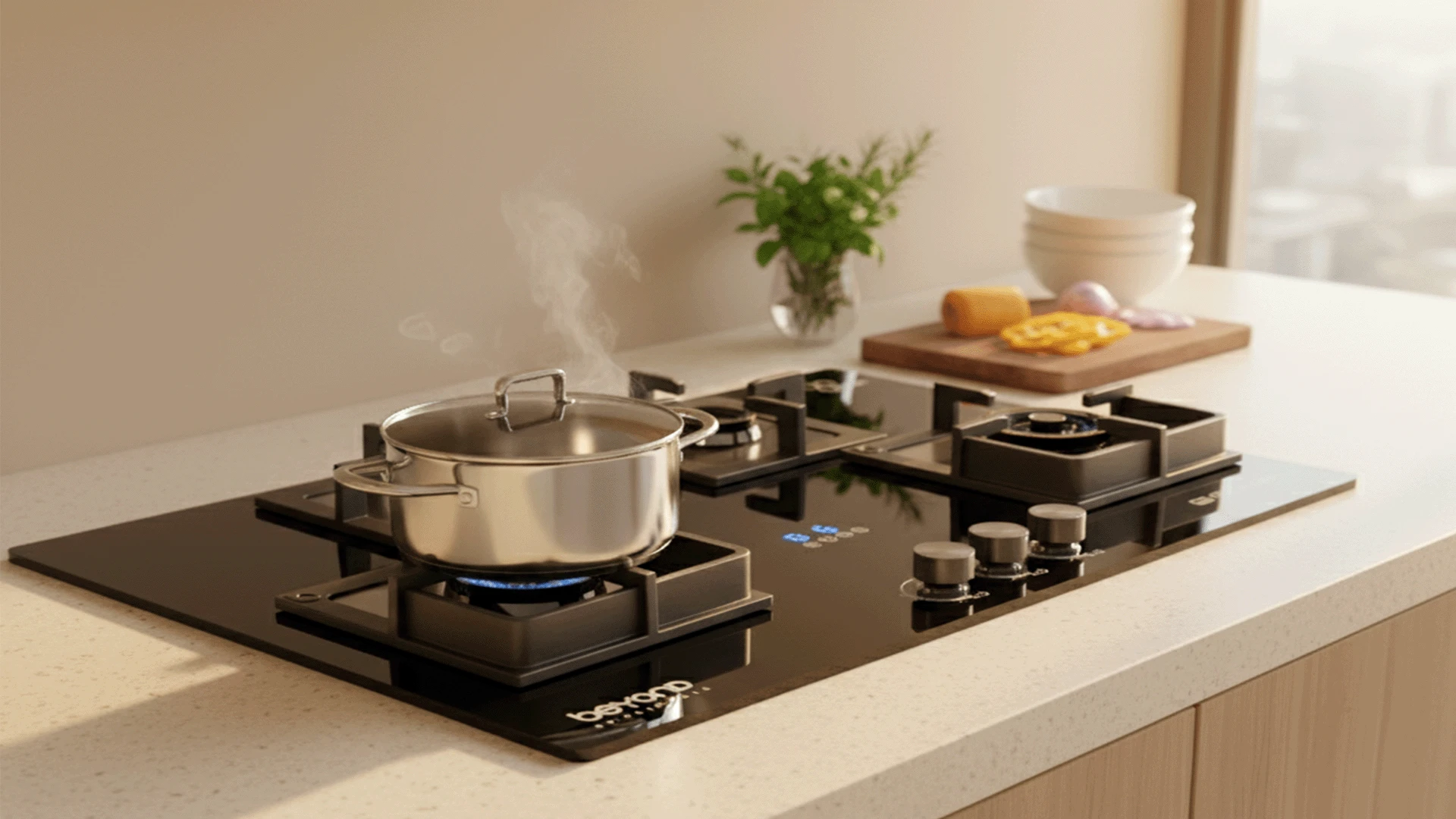

Modern kitchens demand appliances that deliver both performance and efficiency. The right hob can transform your cooking experience while significantly reducing energy consumption and utility bills. With rising energy costs and growing environmental awareness, choosing the best hobs for cooking efficiency has become a priority for homemakers and cooking enthusiasts alike. Today's market offers various technologies, from traditional gas burners to advanced induction systems, each with distinct advantages for different cooking styles and kitchen setups.
Cooking efficiency measures how effectively a hob converts energy into usable heat for your cookware. The most efficient cooking hobs minimize energy waste while maximizing heat transfer to your pots and pans. Key efficiency metrics include energy consumption rates, heat-up times, and precise temperature control capabilities. Modern energy efficient hobs typically achieve efficiency ratings between 40% and 90%, depending on the technology used. Gas hobs generally operate at 40-50% efficiency, electric ceramic hobs reach 70-80%, while induction technology leads with impressive 90% efficiency rates. These ratings directly impact your monthly energy bills and cooking performance. Environmental certifications and energy star ratings help identify the most eco-conscious options. Look for hobs with automatic shut-off features, residual heat indicators, and smart power management systems that optimize energy usage based on cookware size and cooking requirements.
Induction technology represents the pinnacle of cooking efficiency, making these the best induction hobs for energy-conscious households. Unlike traditional heating methods, induction creates electromagnetic fields that directly heat compatible cookware, eliminating energy loss through heat transfer.
Induction hobs achieve 90% energy transfer rates compared to 40-50% for gas burners. This superior efficiency translates to faster cooking times and lower energy bills. The electromagnetic heating process generates minimal ambient heat, keeping your kitchen cooler and reducing air conditioning costs during hot weather.
These fast cooking hobs can boil water in half the time of conventional burners. Precise temperature control allows for delicate cooking techniques like tempering chocolate or maintaining perfect simmering temperatures. Instant heat adjustment responds immediately to control changes, providing restaurant-quality cooking precision at home.
Induction hobs include child safety locks, automatic pan detection, and overheat protection. Many models feature smart connectivity for remote monitoring and control through smartphone apps. Timer functions and automatic shut-off capabilities prevent overcooking and enhance kitchen safety.
Choosing between gas and electric depends on your cooking style, energy costs, and kitchen infrastructure. Both technologies offer distinct advantages for different culinary needs and efficiency requirements.
Gas burners provide immediate heat adjustment and visual flame control preferred by many professional chefs. While less energy-efficient overall, gas hobs excel in high-heat cooking techniques like stir-frying and searing. Modern gas models include efficient burner designs that maximize heat transfer while minimizing gas consumption.
Electric hobs efficiency has improved significantly with ceramic and halogen technologies. These surfaces provide even heat distribution and retain warmth after switching off, utilizing residual heat for gentle cooking. Smooth ceramic surfaces are easy to clean and maintain consistent temperatures for slow cooking and simmering.
Operating costs vary based on local energy prices, but induction typically offers the lowest running costs due to superior efficiency. Gas hobs may have lower fuel costs in areas with subsidized LPG, while electric options benefit from stable pricing and renewable energy integration.
Smart cooking hobs integrate advanced technology to optimize energy consumption and enhance cooking convenience. These intelligent appliances learn your cooking patterns and adjust performance accordingly.
Wireless connectivity allows precise temperature monitoring and adjustment from anywhere in your home. Pre-programmed cooking modes optimize energy usage for specific dishes, while remote monitoring prevents overcooking and energy waste.
Built-in energy meters track consumption patterns and provide insights for reducing usage. Monthly reports help identify opportunities for efficiency improvements and cost savings. Some models integrate with home energy management systems for comprehensive utility monitoring.
Advanced timer systems prevent energy waste from forgotten burners. Automatic power reduction features maintain cooking temperatures while minimizing energy consumption. Smart sensors detect cookware removal and immediately reduce power output.
Busy lifestyles demand hobs for quick meals that deliver professional cooking speeds without compromising efficiency. High-performance burners and smart heating technologies reduce cooking times significantly.
Multiple burner options accommodate different cooking needs simultaneously. Rapid burners deliver intense heat for quick searing, while simmer burners maintain low temperatures for delicate sauces. Flexible burner sizing adapts to various cookware dimensions for optimal efficiency.
Advanced heating elements reach cooking temperatures within seconds. Boost functions provide temporary high-power output for rapid boiling and heating. Quick-response controls eliminate waiting time between temperature adjustments.
Induction hobs provide the highest efficiency at 90% energy transfer, followed by electric ceramic hobs at 70-80%, and gas hobs at 40-50%. Induction technology directly heats cookware, minimizing energy loss and reducing cooking times significantly.
Yes, induction hobs typically pay for themselves within 2-3 years through energy savings. Lower operating costs, faster cooking times, and enhanced safety features justify the initial investment for most households.
Induction requires magnetic cookware like cast iron or stainless steel. Gas works with any material, while electric performs best with flat-bottomed pans that maximize surface contact. Quality cookware enhances efficiency across all hob types.
Efficient hobs can reduce cooking-related energy costs by 30-50% compared to older models. Induction hobs typically save INR 2000-4000 annually for average households, while smart features can provide additional 10-15% savings through optimized usage.
Gas hobs remain popular for traditional Indian cooking due to high-heat requirements and flame control. However, modern induction hobs with boost functions and precise temperature control excel at both high-heat techniques and delicate preparations.
Selecting the best hobs for cooking efficiency requires balancing performance, energy consumption, and cooking preferences. Induction technology leads in efficiency and speed, making it ideal for modern kitchens focused on energy savings. Gas hobs continue to excel in high-heat cooking applications, while electric options provide steady, reliable performance. Smart features and proper cookware selection maximize efficiency across all hob types, ensuring optimal performance and long-term cost savings for your kitchen investment.