

Best Cooktops for Households: Complete Buying Guide
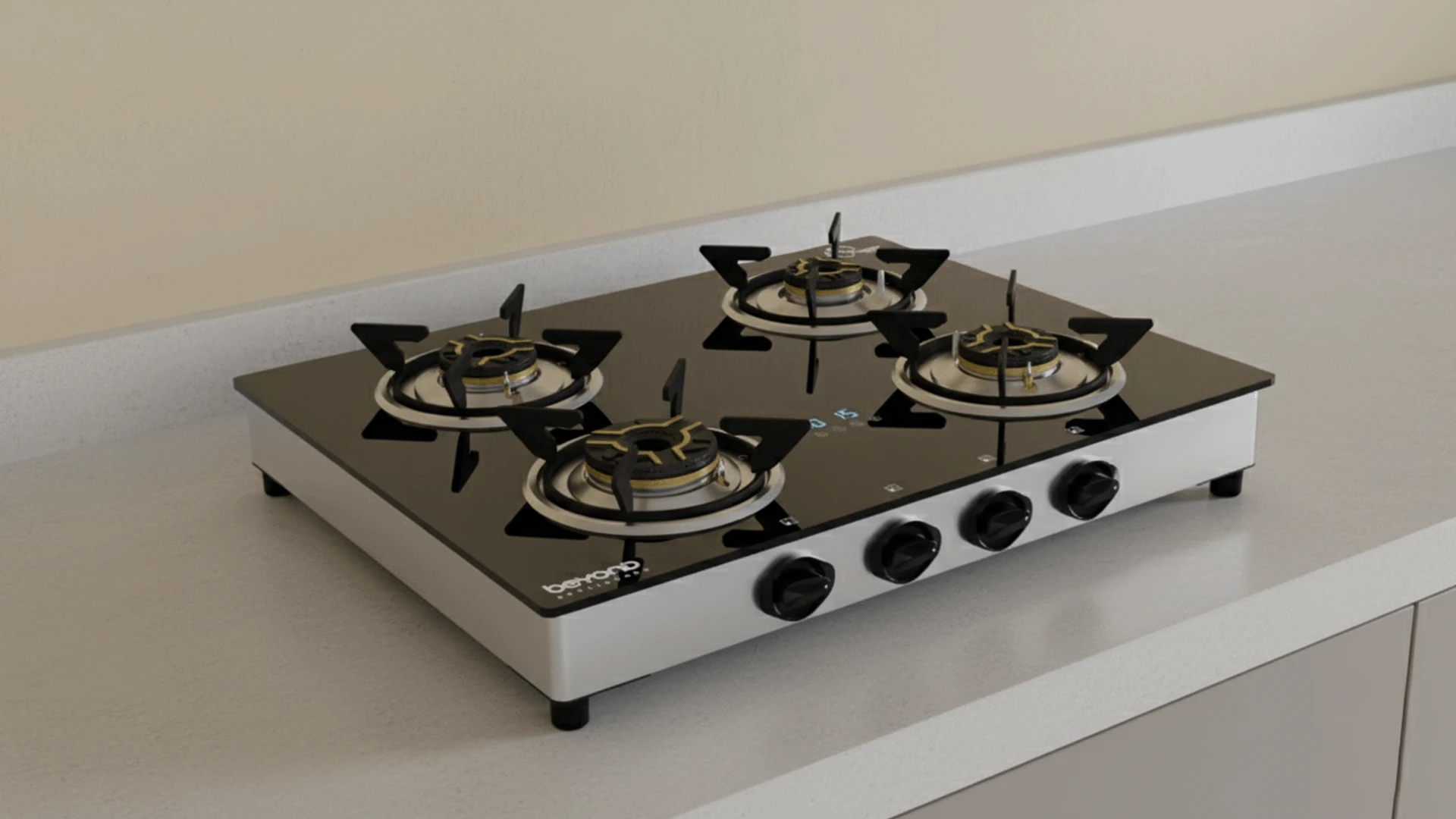
Choosing the right cooktop transforms your cooking experience and defines your kitchen's efficiency. Modern households need appliances that balance performance, energy savings, and convenience. With gas, electric, induction, and portable options available, finding the best cooktop for households requires understanding your cooking habits, kitchen space, and budget. This comprehensive guide explores every aspect of cooktop selection to help you make an informed decision that serves your family for years to come.
Each cooktop type offers unique advantages that cater to different cooking styles and household needs. Understanding these differences helps you identify which technology aligns with your kitchen requirements and cooking preferences.
Gas cooktops provide immediate heat adjustment and visual flame control that many professional chefs prefer. Modern gas cooktops feature Auto Ignition technology - simply press, turn and hold the knobs to light up the burners without manual lighting. Full Brass Burners deliver durable, high-performance cooking while saving more gas through efficient combustion. Safety features include Flame Failure Device sensors that automatically cut off gas supply if flames go out unexpectedly. Many models offer specialized burners like Jumbo Burners for large cookware when cooking for more people, and Dum flame settings perfect for slow-cooking dishes like biryani.
Electric cooktops deliver consistent, even heating across the cooking surface. These units work well for households that prefer predictable temperature control and easy cleanup. Electric models typically feature smooth glass surfaces that wipe clean effortlessly after cooking. The heating elements provide steady temperature maintenance, making them ideal for simmering sauces or melting chocolate. Installation requires proper electrical connections, but many households find the consistent performance worth the setup requirements.
Induction cooktops represent the most energy efficient cooktops available today. These units heat cookware directly through magnetic fields, reducing energy waste and cooking times significantly. The precise temperature control allows for professional-level cooking techniques at home. Safety features include cool-touch surfaces that only heat the cookware, not the cooktop itself. Many induction models include Smart Timer functions that automatically turn off when cooking time expires, preventing overcooking and saving energy.
Portable cooktops offer flexibility for small kitchens, outdoor cooking, or temporary cooking solutions. These compact units provide full cooking capability while taking minimal counter space. Many convertible models can function as built-in units or freestanding tabletop appliances. Portable options work well for apartments, dorm rooms, or as backup cooking surfaces during large meal preparation. They typically feature single or double burner configurations to match space constraints.
Modern cooktops incorporate advanced features that enhance safety, convenience, and cooking performance. These innovations make daily cooking tasks more efficient while providing peace of mind for busy households.
Today's best cooktops prioritize user safety through multiple protection systems. 100% Spill Proof designs include spill trays that prevent liquids from seeping into internal components. Cast Iron Supports keep cookware steady and prevent wobbling during cooking. Vessel Collision-Free Design provides spacious layouts that allow simultaneous use of all burners without cookware clashing. This feature proves essential for households that frequently prepare multiple dishes simultaneously.
8mm Toughened Glass surfaces handle high heat effortlessly while providing scratch-resistant durability for long-lasting use. Premium materials ensure cooktops maintain their appearance and performance through years of daily cooking. Quality construction includes robust burner assemblies, reliable ignition systems, and corrosion-resistant finishes. These elements contribute to lower maintenance requirements and extended appliance lifespan.
Smart cooktops incorporate Wi-Fi connectivity, app control, and voice assistant integration. These features allow remote monitoring, automatic cooking programs, and energy usage tracking. Smart technology helps optimize cooking times while reducing energy consumption. Advanced models include preset cooking programs for common dishes, temperature monitoring, and safety alerts sent directly to your smartphone.
Selecting the right cooktop involves evaluating multiple factors that impact daily use, installation requirements, and long-term satisfaction. This systematic approach ensures your choice meets both current needs and future cooking aspirations.
Cooktop size depends on available counter space, cooking frequency, and household size. Four-burner configurations suit most families, while small cooktop options with two burners work well for apartments or minimal cooking needs. Measure your installation space carefully, considering clearance requirements for ventilation and safety. Factor in the space needed for cookware handles and comfortable cooking access.
Gas cooktops require proper gas line connections and are typically LPG & PNG compatible for flexibility. Electric and induction units need adequate electrical capacity and proper voltage supply. Consider your home's existing utilities when choosing cooktop types. Gas installations may require professional line installation, while electric units might need electrical upgrades for optimal performance.
Cooktop prices vary significantly based on size, features, and technology. Premium models with smart cooktop features command higher prices but offer advanced functionality and energy savings. Consider total ownership costs including installation, energy consumption, and maintenance requirements. Energy efficient cooktops may cost more initially but provide savings through reduced utility bills over time.
Induction cooktops are the most energy-efficient option, converting up to 90% of energy directly to heat in cookware. Gas cooktops follow at about 60% efficiency, while electric cooktops typically achieve 50-60% efficiency.
Installation costs range from INR 2,000-8,000 depending on cooktop type and complexity. Gas line installation may require additional plumbing work, while electric units might need electrical upgrades.
Portable and some electric cooktops allow DIY installation, but gas cooktops require professional installation for safety and warranty compliance. Always follow manufacturer guidelines and local building codes.
Four-burner cooktops suit families of 4-6 people, while two-burner units work for couples or small households. Consider your cooking style and frequency when determining optimal size.
Quality cooktops last 10-15 years with proper maintenance. Gas cooktops often have longer lifespans due to fewer electronic components, while induction units may require eventual electronic repairs.
Cooktops are standalone cooking surfaces installed in countertops, while ranges combine cooktops with built-in ovens. Cooktops offer more installation flexibility and kitchen design options.
The best cooktop for households balances performance, efficiency, and safety features that match your cooking needs. Gas cooktops excel in immediate heat control, electric units provide consistent temperatures, and induction models offer superior energy efficiency. Consider your kitchen space, cooking habits, and budget when making your selection. Modern safety features, smart technology, and durable construction ensure your cooktop investment serves your household well for years to come.
