

Best Chimney Styles for Home: Complete Guide
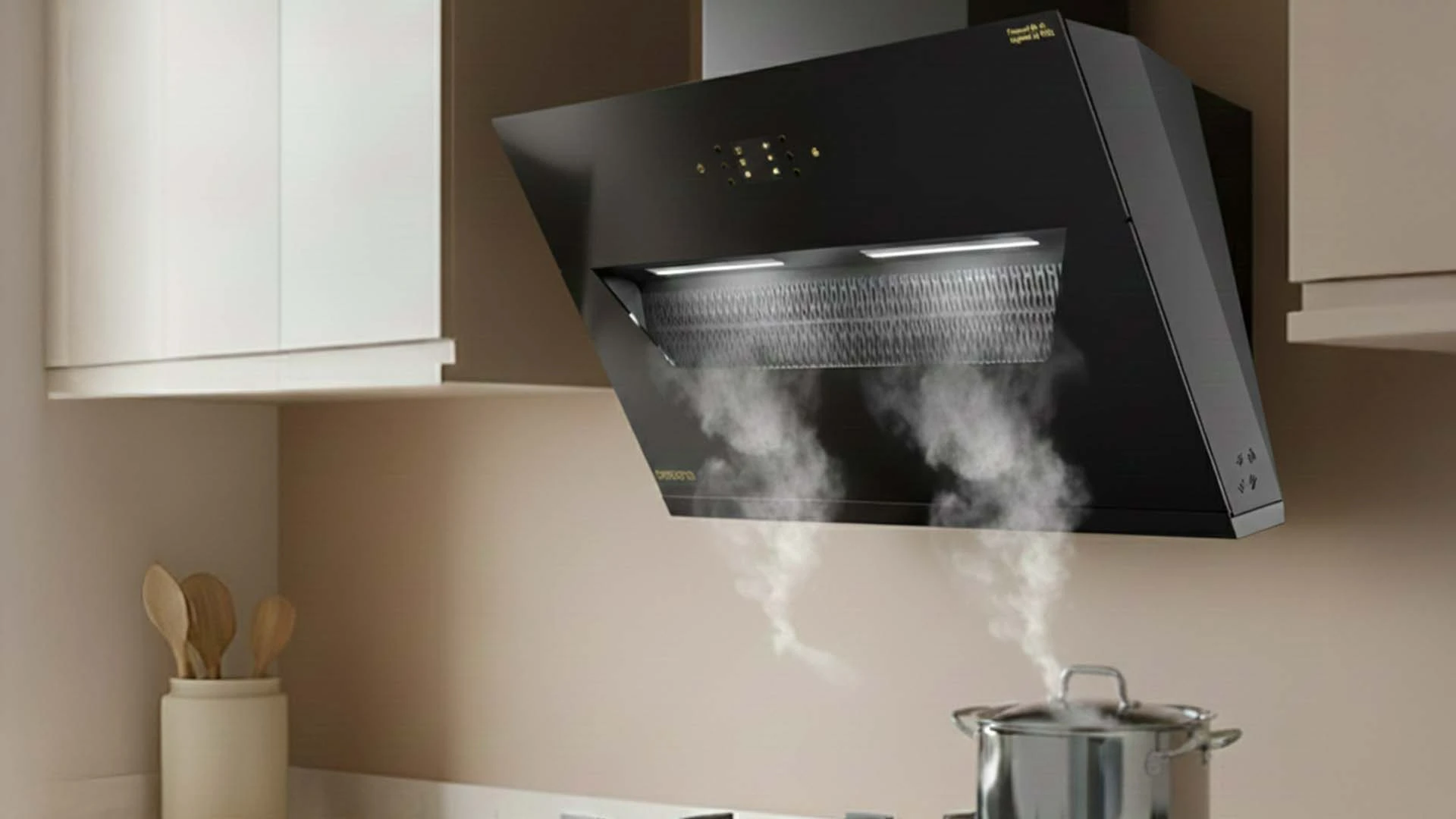
Choosing the right chimney for your kitchen can transform both the functionality and appearance of your cooking space. With Indian cooking styles producing significant smoke, grease, and strong aromas, having an effective ventilation system is essential. Modern chimney designs offer various styles that combine powerful suction capabilities with sleek aesthetics. From wall-mounted units to island installations, understanding different chimney types helps you make an informed decision that suits your kitchen layout, cooking habits, and budget. The right house chimney not only keeps your kitchen clean but also enhances the overall ambiance of your home.
Kitchen chimneys serve as the backbone of effective ventilation in modern homes. These appliances work by creating suction that draws smoke, steam, and cooking odors away from your cooking area. The importance of proper ventilation becomes even more critical in Indian kitchens where high-heat cooking, deep frying, and spice-heavy preparations are common. The health benefits of installing a quality modern chimney extend beyond just comfort. Poor ventilation can lead to respiratory issues, especially when cooking oils reach their smoking point. A well-designed chimney system removes harmful particles and maintains better indoor air quality. Additionally, these appliances prevent grease buildup on walls, cabinets, and other kitchen surfaces, reducing cleaning time and maintaining your kitchen's appearance. From an aesthetic standpoint, contemporary chimney designs serve as focal points that complement your kitchen's overall design theme. Whether you prefer minimalist lines or bold architectural statements, there are chimney styles available to match every preference.
Wall-mounted chimneys represent the most popular choice for Indian kitchens due to their versatility and space efficiency. These units attach directly to the wall above your cooking range, making them suitable for most kitchen layouts. The design variations within this category offer different benefits depending on your specific needs. Straight-line chimneys feature clean, rectangular profiles that work well in contemporary kitchens. Their simple geometry makes them easy to clean and maintain while providing consistent suction performance. Curved chimney designs offer a softer aesthetic appeal and can help direct airflow more efficiently in certain kitchen configurations. Slant or inclined chimneys have gained popularity for their space-saving design and improved functionality. The angled surface allows for better headroom while cooking, making them ideal for compact kitchens or areas with lower ceiling heights. These modern chimney styles also tend to have larger collection areas, which can improve their overall efficiency.
Pyramid-style chimneys create a distinctive architectural element with their triangular profile. These designs often feature powerful motors and large collection chambers. Angular modern designs incorporate sharp lines and geometric patterns that complement contemporary kitchen aesthetics. These styles often include LED lighting and touch controls. Sleek minimalist options focus on clean lines and understated elegance, perfect for kitchens where the chimney should blend seamlessly with the overall design.
Island chimneys serve kitchens with central cooking areas, providing ventilation solutions for open-plan layouts. These ceiling-mounted units require careful planning during the design phase, as they need adequate structural support and proper ducting arrangements. The installation complexity is higher, but the visual impact and functionality make them worthwhile for larger kitchens. Ceiling-mounted installations offer several advantages for specific kitchen configurations. They provide 360-degree access around the cooking area and can handle larger cooking surfaces effectively. These chimney ideas work particularly well in kitchens with islands or peninsula layouts where wall mounting isn't feasible. Open kitchen layouts benefit significantly from ceiling-mounted systems as they can handle the increased air volume and provide effective ventilation without obstructing sight lines. The key consideration is balancing decorative appeal with functional requirements, ensuring the unit complements your kitchen's design while providing adequate suction capacity.
The choice between filterless and baffle filter systems significantly impacts both maintenance requirements and long-term performance. Understanding these chimney types helps you select the most suitable option for your cooking habits and maintenance preferences. Filterless chimneys, also known as auto-clean chimneys, use centrifugal force to separate oil particles from the air stream. These systems require minimal maintenance as they automatically collect grease in a removable oil collector. The absence of filters means no regular cleaning or replacement costs, making them cost-effective over time. Baffle filter chimneys use curved metal plates to trap grease and oil particles. While these filters require regular cleaning, they offer excellent filtration efficiency and are generally more affordable initially. The maintenance involves washing the baffle filters with warm soapy water every few weeks, depending on cooking frequency. Suction capacity comparisons show that both systems can achieve similar performance levels when properly maintained. However, filterless systems tend to maintain consistent suction power over time, while baffle filter efficiency can decrease if not cleaned regularly.
Selecting the appropriate home chimney styles depends heavily on your kitchen's dimensions and configuration. Small kitchens benefit from compact, space-efficient designs that don't overwhelm the cooking area. Slant chimneys or curved models work well in these spaces as they provide adequate suction while maintaining visual balance. Large kitchens require more powerful ventilation solutions with higher suction capacities. Wall-mounted units with wider collection areas or island installations can handle the increased air volume effectively. The key is matching the chimney's capacity to your kitchen's cubic footage and typical cooking intensity. L-shaped kitchen layouts present unique challenges that require careful consideration of airflow patterns. The chimney placement should account for the cooking zone's position relative to the room's air circulation. Straight kitchen configurations offer more flexibility in chimney placement and ducting arrangements.
Proper installation height follows industry standards for optimal performance and safety. The chimney should be positioned 24-30 inches above the cooking surface for gas stoves and 20-24 inches for electric cooktops. Electrical requirements include dedicated circuits for higher-capacity units and proper grounding for safety. Ducting considerations involve planning the most efficient path to the exterior while minimizing bends and restrictions. Professional installation ensures compliance with local building codes and manufacturer specifications, while DIY installation may void warranties and create safety risks.
Contemporary modern chimney designs incorporate advanced features that enhance both functionality and user experience. Touch controls have replaced traditional buttons, offering easier operation and cleaning. LED lighting provides task illumination while cooking and adds aesthetic appeal to the kitchen environment. Auto-clean functionality represents a significant advancement in chimney technology. These systems use heat or centrifugal force to remove oil buildup automatically, reducing maintenance requirements and ensuring consistent performance. Some models include indicators that alert users when cleaning cycles are needed. Noise reduction technology addresses one of the primary concerns with kitchen chimneys. Advanced motor designs and sound dampening materials significantly reduce operational noise, making cooking more pleasant. Energy efficiency ratings help consumers choose models that balance performance with power consumption. Smart home integration capabilities allow remote operation and monitoring through smartphone apps. These features enable users to adjust settings, monitor filter status, and receive maintenance reminders from anywhere in the home.
Entry-level best chimney styles for home under INR 15,000 typically offer basic functionality with manual controls and standard baffle filters. These models provide adequate ventilation for moderate cooking needs and represent good value for budget-conscious buyers. Features usually include basic LED lighting and standard suction capacities suitable for small to medium kitchens. Mid-range options between INR 15,000-30,000 introduce enhanced features like auto-clean technology, improved motor efficiency, and better build quality. These models often include touch controls, multiple speed settings, and superior noise reduction. The balance between features and price makes this category popular among most homeowners. Premium chimney styles above INR 30,000 offer advanced technologies, superior materials, and comprehensive feature sets. These units typically include smart connectivity, advanced filtration systems, and premium finishes. The investment is justified by improved performance, durability, and enhanced user experience. Warranty coverage varies significantly across price ranges, with premium models offering extended protection and comprehensive service support. Consider the total cost of ownership, including maintenance and potential repairs, when comparing options.
For Indian cooking styles, filterless or auto-clean chimneys work best due to the high oil and spice content in our cuisine. These systems handle grease more effectively and require less maintenance. Choose models with suction capacity of at least 1000 cubic meters per hour for optimal performance.
Slant chimneys offer better space utilization and headroom, making them ideal for compact kitchens. Curved chimneys provide superior airflow dynamics and aesthetic appeal. Your choice should depend on kitchen size, ceiling height, and personal design preferences.
Install chimneys 24-30 inches above gas cooktops and 20-24 inches above electric surfaces. This height ensures optimal suction efficiency while maintaining safety clearances. Proper height also prevents grease buildup on the chimney surface.
Vertical motor chimneys offer better suction efficiency and easier maintenance access. Horizontal motor designs are more compact but may have slightly reduced performance. Vertical configurations also tend to have longer motor life due to better heat dissipation.
Calculate your kitchen's volume and multiply by 10-12 for the required suction capacity in cubic meters per hour. For kitchens up to 175 cubic feet, choose 1000 CMH capacity. Larger kitchens need proportionally higher capacities for effective ventilation.
Selecting the best chimney styles for home requires balancing functionality, aesthetics, and budget considerations. Wall-mounted designs offer versatility for most kitchen layouts, while island installations provide solutions for open-plan spaces. The choice between filterless and baffle filter systems depends on your maintenance preferences and cooking intensity. Modern features like auto-clean technology, smart controls, and energy efficiency enhance the user experience while providing long-term value. Consider your kitchen's size, layout, and typical cooking patterns when selecting capacity and style. Professional installation ensures optimal performance and safety compliance. Investment in quality chimney systems pays dividends through improved air quality, reduced cleaning requirements, and enhanced kitchen aesthetics. Whether choosing budget-friendly or premium options, prioritize models from reputable manufacturers with comprehensive warranty coverage and reliable after-sales service support.
