
Best Burners for Slow Cooking: Complete Guide
Cart
Your cart is empty
Slow cooking transforms tough cuts of meat into tender masterpieces and allows flavors to develop beautifully over time. The secret lies in maintaining consistent low temperatures between 185-200°F for extended periods. Your choice of burner type significantly impacts your ability to achieve perfect slow cooking results. Whether you're simmering a rich stew or braising vegetables, understanding which burner type is good for slow cooking will elevate your culinary skills and ensure consistent, delicious outcomes every time.
Slow cooking requires precise temperature control within a narrow range. The ideal slow cooking burner maintains temperatures between 185-200°F consistently. At this range, proteins break down gradually without becoming tough, and flavors meld beautifully without scorching.
Temperature stability matters more than raw power for low heat cooking. Fluctuations above 212°F can cause rapid boiling, which toughens proteins and evaporates essential moisture. Below 180°F, food may not cook properly and could pose safety risks.
Heat distribution plays a crucial role in successful slow cooking. Uneven heating creates hot spots that can burn food while leaving other areas undercooked. The best temperature control burner options provide consistent heat across the entire cooking surface, eliminating these problematic variations.
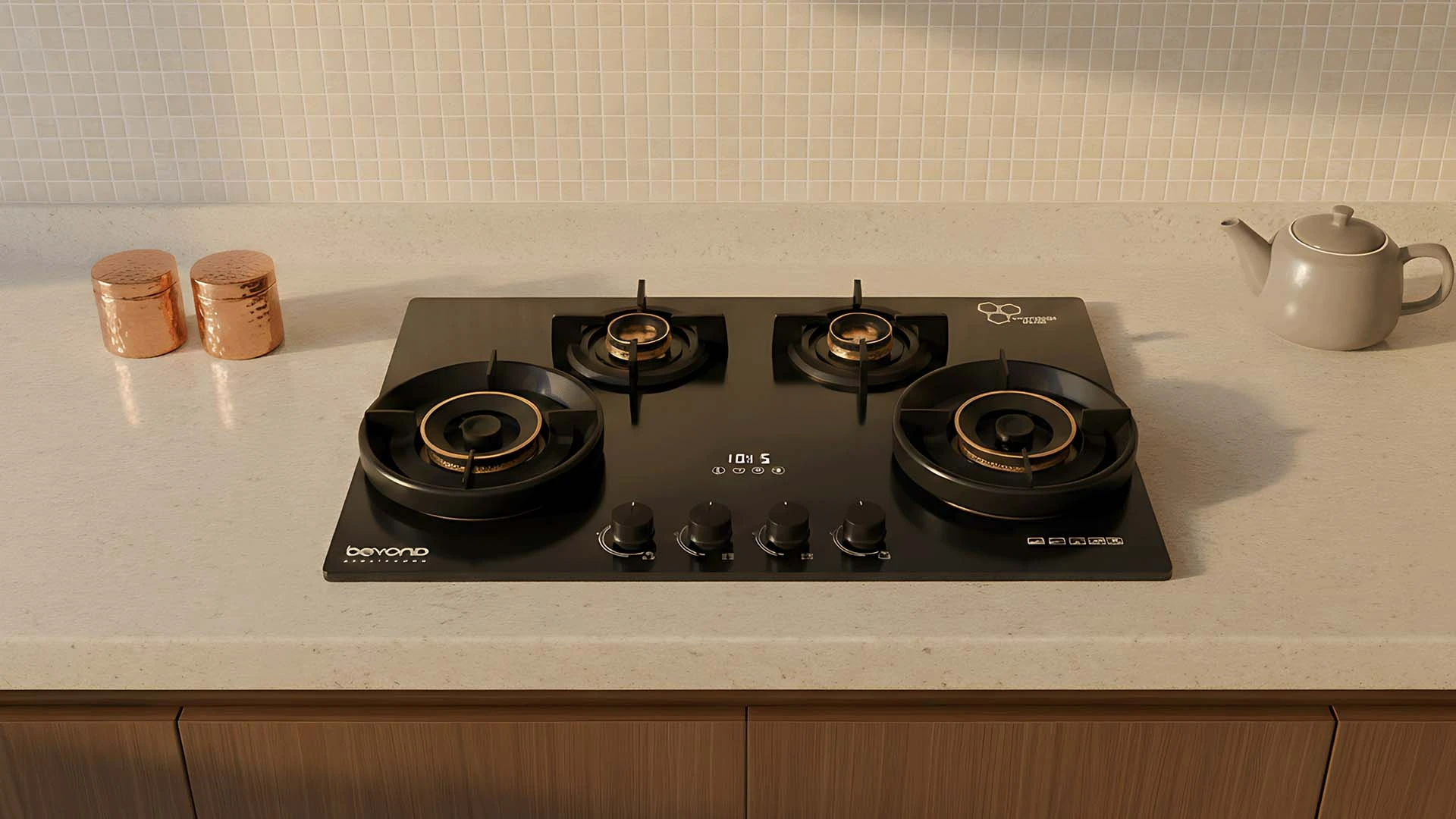
Gas burners offer excellent control for slow cooking applications. The visible flame provides immediate feedback about heat levels, making adjustments quick and intuitive. Gas stove slow cook performance excels due to instant response times and precise flame control.
Gas burners respond immediately to control adjustments. When you turn the knob, the flame changes instantly, allowing precise temperature management. This responsiveness makes gas an excellent choice for maintaining steady simmering temperatures.
The circular flame pattern on gas burners distributes heat evenly across the bottom of cookware. This natural heat distribution reduces hot spots and promotes uniform cooking throughout your dish.
Look for burners with BTU ratings between 5,000-9,000 for optimal slow cooking performance. Higher BTU ratings provide more power than necessary and can make low-temperature control challenging.
The best burner for simmering includes dedicated simmer settings. These specialized controls allow flame adjustment to very low levels while maintaining stable combustion. Some models feature dual-ring burners that provide ultra-low heat options perfect for delicate sauces and gentle warming.
Despite their advantages, gas burners can create uneven heating patterns. The flame typically concentrates heat in the center, potentially causing hot spots. Heat diffusers and flame tamers help distribute heat more evenly across the cookware bottom.
Electric stove slow cook capabilities vary significantly between coil and smooth-top designs. Understanding these differences helps you maximize your electric burner's slow cooking potential.
Electric coil burners heat up quickly but can create uneven temperature zones. The coil design concentrates heat where the metal contacts the cookware, potentially creating hot spots. However, coil burners often provide better low-heat control than smooth-top alternatives.
Smooth-top electric burners offer more even heat distribution but may struggle with very low temperature settings. The radiant heating elements under the glass surface provide consistent heat across a wider area, making them suitable for larger cookware.
Electric burners cycle on and off to maintain set temperatures. This power cycling can cause temperature fluctuations during slow cooking. Using heavy-bottom cookware helps stabilize temperatures by storing and releasing heat gradually.
Start with the lowest heat setting and allow adequate preheating time. Electric elements need time to reach stable operating temperatures, especially for low heat cooking applications.
Preheat your cookware gradually on electric burners. Rapid heating can create hot spots that persist throughout the cooking process. Allow 5-10 minutes for the element to reach steady-state operation before adding ingredients.
Induction cooktop simmering offers the most precise temperature control available in home kitchens. Induction technology heats cookware directly through electromagnetic fields, providing instant response and exceptional accuracy.
Induction cooktops respond instantly to control changes, much faster than gas or electric alternatives. This immediate response allows precise temperature adjustments during slow cooking processes. The electromagnetic heating method also provides exceptional energy efficiency, reducing operating costs for extended cooking sessions.
Many induction units feature digital temperature displays and programmable settings. These advanced controls make maintaining specific temperatures effortless, eliminating guesswork from slow cooking processes.
Quality induction cooktops offer power levels as low as 100 watts, perfect for gentle simmering. Some models include dedicated simmer functions that automatically maintain optimal temperatures for delicate cooking tasks.
Temperature probe compatibility allows precise monitoring and automatic temperature maintenance. This feature proves invaluable for slow cooking applications requiring specific temperature ranges.
Use power settings between 1-3 for most slow cooking applications. These low settings provide gentle, consistent heat perfect for simmering and braising. Experiment with your specific unit to find optimal settings for different cooking tasks.
Modern cooktops often include specialized features designed specifically for slow cooking applications. These simmer burner types provide enhanced control and performance for delicate cooking tasks.
Many gas cooktops feature dedicated simmer burners with ultra-low BTU ratings. These specialized elements maintain stable flames at very low heat levels, perfect for melting chocolate or keeping sauces warm without scorching.
Dual-ring and triple-ring burners offer multiple heat zones on a single element. The inner ring provides gentle heat for small pans, while outer rings accommodate larger cookware. This flexibility makes them excellent efficient cooking burners for various slow cooking needs.
Digital temperature displays eliminate guesswork from slow cooking. These systems monitor actual cookware temperature and adjust heat output automatically to maintain desired settings.
Smart connectivity features allow remote monitoring and control of slow cooking processes. Some models send notifications when temperatures drift outside acceptable ranges, ensuring consistent results even when you're away from the kitchen.
Selecting the ideal burner type depends on your specific cooking habits, budget, and kitchen setup. Each technology offers distinct advantages for slow cooking applications.
Gas burners excel in responsiveness and visual feedback but may require additional accessories for optimal heat distribution. Electric burners provide steady heat but can struggle with very low temperature settings. Induction offers the best precision and efficiency but requires compatible cookware.
Temperature stability varies significantly between burner types. Induction provides the most consistent temperatures, followed by gas, then electric coil, with smooth-top electric showing the most variation.
Initial costs vary widely between burner types. Gas typically offers the lowest entry cost, while induction represents the highest initial investment. However, induction's energy efficiency can offset higher purchase prices over time through reduced operating costs.
Consider long-term maintenance costs when evaluating options. Gas burners require periodic cleaning and potential part replacement, while induction units typically need minimal maintenance beyond surface cleaning.
Gas installations require proper ventilation and gas line connections. Electric options need adequate electrical capacity, with induction requiring specific voltage requirements. Consider these infrastructure needs when determining which burner type works best for your situation.
Achieving perfect slow cooking results requires more than just the right burner. Proper technique and equipment selection significantly impact your cooking success.
Heavy-bottom pans distribute heat evenly and prevent hot spots during slow cooking. Cast iron and enameled cast iron excel for cooktop for low and slow cooking applications due to excellent heat retention and distribution properties.
Stainless steel with aluminum or copper cores provides good heat distribution while remaining compatible with all burner types, including induction. Avoid thin-bottom pans that can create hot spots and uneven cooking.
Use instant-read thermometers to verify actual cooking temperatures. Many slow cooking recipes rely on visual cues, but temperature measurement ensures accuracy and food safety.
Look for gentle bubbling as an indicator of proper simmering temperature. Rapid boiling indicates excessive heat that can toughen proteins and evaporate essential moisture.
Avoid lifting lids frequently during slow cooking. Each lid removal releases heat and moisture, extending cooking times and potentially affecting final results. Trust the process and resist the urge to check progress constantly.
Don't rush the heating process. Allow adequate time for ingredients to reach proper temperature gradually. Rapid heating can cause proteins to seize and become tough.
Use the lowest setting that maintains gentle simmering. For gas burners, this typically means the smallest flame possible while maintaining stable combustion. Electric and induction burners should be set to their lowest power levels, usually 1-2 on a 10-point scale.
Yes, all stove types can accommodate slow cooking, but performance varies. Induction offers the best temperature control, gas provides excellent responsiveness, and electric works well with proper technique and heavy cookware.
Simmering maintains temperatures just below boiling (185-200°F) with gentle bubble formation. Slow cooking encompasses various low-temperature techniques, including simmering, braising, and poaching, all requiring precise temperature control.
Use adequate cooking liquid, choose appropriate cookware with good heat distribution, and maintain proper temperatures. Avoid stirring too frequently, which can break down ingredients and cause sticking.
Gas burners offer better responsiveness and visual feedback, while electric burners can provide more stable temperatures once established. Induction combines the best of both worlds with instant response and precise control.
Heavy-bottom pans work well on all burner types. Cast iron excels on gas and electric, while stainless steel with magnetic bottoms works best for induction. Avoid thin aluminum pans that create hot spots.
Use heavy cookware for thermal stability, avoid frequent lid removal, and allow adequate preheating time. Consider heat diffusers for gas burners and temperature probes for precise monitoring on compatible cooktops.
The best burner type for slow cooking depends on your specific needs and preferences. Induction offers superior precision and efficiency, gas provides excellent control and responsiveness, while electric can work well with proper technique. Consider your cooking habits, budget, and kitchen infrastructure when making your decision. Regardless of burner type, success in slow cooking comes from understanding temperature control, using appropriate cookware, and practicing proper techniques.
