
Auto vs Manual Chimney Clean: Which Wins?
Cart
Your cart is empty
Kitchen chimneys have evolved significantly over the years, transforming from basic exhaust systems to sophisticated cleaning solutions. Today's homeowners face a crucial decision: choosing between auto-clean chimney and manual clean chimney systems. This choice impacts not just your daily cooking experience but also long-term maintenance costs and kitchen efficiency. Understanding the differences between these chimney cleaning methods helps you make an informed decision that suits your lifestyle, budget, and cooking habits. With Indian kitchens generating substantial smoke and grease, the right chimney cleaning approach becomes even more critical for maintaining a healthy cooking environment.
The fundamental difference between auto-clean chimney and manual clean chimney systems lies in their cleaning mechanisms and maintenance requirements. Auto-clean chimneys use advanced technology to reduce manual intervention, while manual systems rely on traditional cleaning approaches.
Modern types of chimney cleaners have progressed from simple exhaust fans to sophisticated self-maintaining systems. Auto-clean technology emerged as a response to the time-intensive nature of manual cleaning, particularly in Indian kitchens where heavy cooking generates substantial grease and oil particles.
Auto-clean systems incorporate heat-based cleaning mechanisms, oil collection chambers, and smart sensors. Manual systems feature removable filters, accessible cleaning points, and straightforward maintenance procedures. The choice between these chimney cleaning methods significantly impacts your daily kitchen routine.
The automatic chimney cleaner technology operates on sophisticated principles that minimize manual maintenance. These systems use heat-based cleaning mechanisms combined with centrifugal force to maintain optimal performance.
The self cleaning chimney employs dry heat technology to melt accumulated oil and grease particles. When activated, the system heats internal components to specific temperatures, causing stubborn deposits to liquefy and drain into collection chambers.
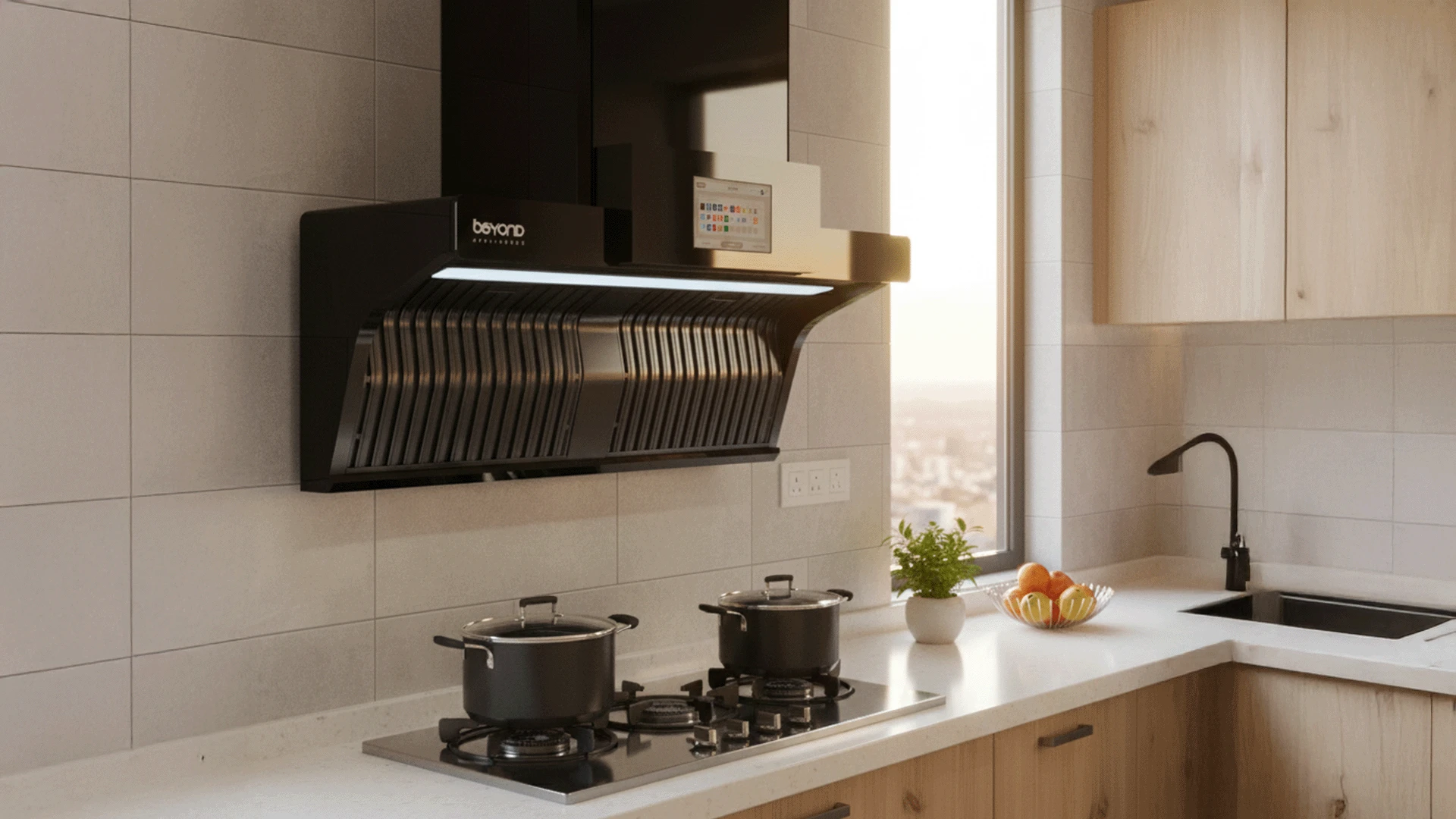
Modern auto-clean chimneys incorporate features like motion sensor control, allowing you to turn the system on or off by simply waving your hands. Some models include AI whistle counters that track cooking progress and alert you when preset whistle counts are reached. The smart chimney category often features dual Bluetooth speakers for entertainment and FM radio functionality, transforming your cooking experience.
The manual chimney sweep approach requires regular hands-on maintenance but offers complete user control over the cleaning process. Understanding this traditional method helps appreciate the convenience that auto-clean systems provide.
Manual chimney maintenance involves removing filters, cleaning with appropriate solutions, and reassembling components. This process typically requires 30-45 minutes every 2-3 weeks, depending on cooking frequency and food types prepared.
Effective manual cleaning requires specific cleaning agents, brushes, and protective equipment. The process demands regular attention to maintain optimal suction power and prevent grease buildup that can affect performance.
When evaluating efficient chimney options, performance metrics reveal significant differences between auto-clean and manual systems. Auto-clean chimneys maintain consistent suction power over time, while manual systems may experience gradual efficiency decline without regular maintenance.
Auto-clean systems typically maintain their 1500 CMH suction capacity longer due to automated cleaning cycles. Manual systems require diligent maintenance to preserve optimal performance levels throughout their operational life.
The best chimney cleaning method directly affects indoor air quality. Auto-clean systems provide more consistent air purification, while manual systems' effectiveness varies based on maintenance frequency and thoroughness.
The financial aspect of choosing between auto-clean and manual chimney systems extends beyond initial purchase prices. Long-term costs include maintenance, professional servicing, and potential repairs.
Auto-clean chimneys typically cost INR 15,000-50,000 more than comparable manual systems. However, this initial investment often pays dividends through reduced maintenance time and consistent performance.
Manual systems require regular cleaning supplies and occasional professional servicing, costing approximately INR 2,000-5,000 annually. Auto-clean systems need minimal supplies but may require specialized servicing, averaging INR 1,500-3,000 yearly.
Today's smart chimney models offer features that extend beyond basic smoke extraction. These innovations enhance cooking experiences while maintaining superior cleaning performance.
Modern auto-clean chimneys feature button controls with display screens, auto turn-off timers, and motion sensor activation. These conveniences eliminate the need for manual reminders and provide seamless integration with cooking routines.
Many auto-clean models include dual Bluetooth speakers for connecting Android or iOS devices, allowing you to enjoy music, podcasts, or bhajans while cooking. FM radio functionality adds entertainment value to your kitchen experience.
Auto-clean chimneys are better for busy households seeking convenience and consistent performance. Manual chimneys suit budget-conscious users who don't mind regular maintenance and prefer complete control over cleaning processes.
Auto-clean chimneys have higher initial costs, complex mechanisms requiring professional servicing, potential technical malfunctions, and limited DIY repair options. They also consume more electricity during cleaning cycles.
Manual chimneys require cleaning every 2-3 weeks with regular cooking, or weekly with heavy Indian cooking involving substantial oil and spice usage. Neglecting this schedule reduces efficiency and increases long-term maintenance costs.
While auto-clean chimneys significantly reduce manual intervention, they still require periodic cleaning of oil collection trays and external surfaces. The frequency is much lower than manual systems, typically monthly rather than weekly.
Look for motion sensor control, AI whistle counters, dry heat auto-clean technology, auto turn-off timers, adequate suction power (1500 CMH for Indian cooking), LED lighting, and entertainment features like Bluetooth connectivity.
The choice between auto-clean and manual chimney systems ultimately depends on your lifestyle, budget, and maintenance preferences. Auto-clean chimneys offer superior convenience and consistent performance, making them ideal for busy households willing to invest in long-term efficiency. Manual systems provide cost-effective solutions for users comfortable with regular maintenance routines. Consider your cooking frequency, available time for maintenance, and long-term cost implications when making this important kitchen appliance decision. Both systems can provide excellent performance when properly maintained, but auto-clean technology clearly wins in terms of convenience and consistent efficiency over time.
