

Auto Clean vs Heat Clean Chimney: Which Wins?
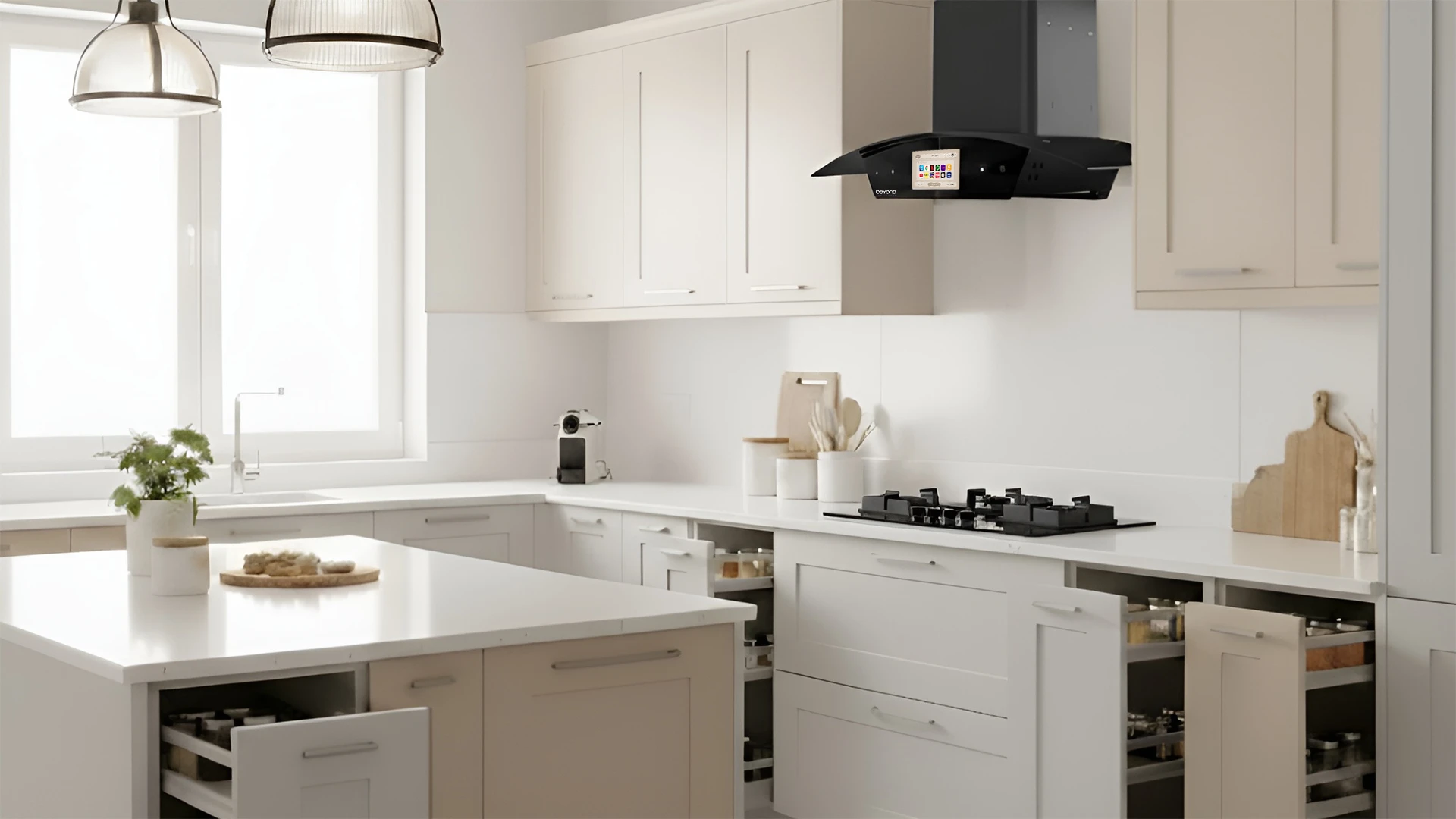
Modern Indian kitchens demand efficient solutions for managing smoke, grease, and cooking odors. With the evolution of kitchen technology, homeowners now face a crucial decision between auto clean chimney vs heat clean chimney systems. Both technologies promise to reduce maintenance hassles, but which cleaning method truly delivers superior performance? Understanding the differences between these chimney cleaning methods helps you make an informed choice that matches your cooking habits, budget, and lifestyle needs.
Traditional chimney cleaning involved manual scrubbing and frequent filter replacements, creating ongoing maintenance challenges for busy households. Modern types of chimney cleaning have revolutionized kitchen hygiene through automated systems that handle grease removal without constant intervention. Self cleaning chimney technology emerged as a response to the heavy oil and spice usage in Indian cooking. These systems use different approaches to break down accumulated grease and maintain optimal suction performance. The two leading technologies—auto clean and heat clean—each offer distinct advantages for different cooking styles and household needs.
Auto clean chimneys use oil collector technology combined with specialized filtration systems to manage grease accumulation. The automatic chimney cleaner mechanism separates oil particles from air flow, collecting them in removable trays for easy disposal.
The system uses centrifugal force to separate oil particles from the air stream. Heavy grease particles get collected in dedicated oil collection trays, while clean air passes through to the exhaust. This process requires minimal user intervention beyond periodic tray cleaning.
Auto clean systems need oil tray cleaning every 2-3 months, depending on cooking frequency. The filterless design eliminates the need for regular filter replacements, reducing long-term maintenance costs. Simple rinsing of collection trays maintains optimal performance.
These systems consume standard power during operation without additional heating elements. The energy-efficient design focuses power on suction performance rather than cleaning mechanisms, resulting in lower electricity consumption.
Heat assisted chimney cleaning uses high-temperature thermal cycles to decompose grease and oil residues. This smart chimney cleaning approach eliminates accumulated particles through controlled heating processes.
Heat clean systems generate temperatures between 150-200°C during cleaning cycles. The dry heat auto clean technology melts jammed oil and particles in the motor, allowing them to flow into collection trays. This process effectively breaks down stubborn grease that might resist other cleaning methods.
Automatic cleaning cycles activate based on usage patterns or manual settings. The system heats internal components to decompose oil buildup, then collects melted residues in easily removable trays. Cleaning cycles typically run for 15-30 minutes depending on accumulation levels.
Advanced heat clean chimneys include temperature monitoring and automatic shut-off mechanisms. Safety sensors prevent overheating while ensuring effective grease decomposition. Insulated housing protects surrounding kitchen components from heat exposure.
When comparing chimney cleaning comparison factors, both technologies offer distinct advantages for different cooking scenarios. Understanding these differences helps determine the best chimney cleaning method for your specific needs.
Heat clean systems excel at breaking down stubborn, baked-on grease through thermal decomposition. Auto clean technology effectively manages fresh oil particles but may struggle with heavily carbonized residues. For heavy Indian cooking with frequent frying and spice usage, heat clean systems often provide superior long-term cleanliness.
Auto clean chimneys require more frequent oil tray cleaning but involve simpler maintenance procedures. Heat clean systems need less frequent intervention but require periodic deep cleaning of heating elements. Both systems significantly reduce maintenance compared to traditional filter-based chimneys.
Auto clean chimneys consume less daily energy during normal operation. Heat clean systems use additional power during cleaning cycles but may require less frequent professional servicing. Overall energy costs depend on cooking frequency and cleaning cycle usage patterns.
Efficient chimney cleaning systems require higher initial investment but offer significant long-term savings through reduced maintenance costs. Understanding the total cost of ownership helps evaluate which technology provides better value. Auto clean chimneys typically cost INR 15,000-25,000 for quality models. Heat clean systems range from INR 20,000-35,000, reflecting the additional heating technology. However, both systems eliminate ongoing filter replacement costs that can total INR 2,000-3,000 annually. Chimney maintenance costs include oil tray cleaning supplies and occasional professional servicing. Heat clean systems may require less frequent professional cleaning due to their thorough thermal cleaning capability. Energy costs vary based on usage patterns and local electricity rates.
Selecting between auto clean chimney vs heat clean chimney depends on your cooking habits, budget, and maintenance preferences. Consider these factors when making your decision.
Families who cook multiple meals daily with frequent frying and spice-heavy dishes benefit from heat clean technology. The thermal cleaning process handles heavy grease accumulation more effectively than oil collection alone.
Households with lighter cooking patterns find auto clean systems sufficient for their needs. The simpler maintenance requirements and lower energy consumption suit occasional cooking scenarios.
Auto clean chimneys offer excellent value for cost-conscious buyers seeking maintenance reduction without premium pricing. Heat clean systems justify higher costs through superior cleaning performance and reduced long-term maintenance needs.
Heat clean chimneys generally require less frequent maintenance due to their thorough thermal cleaning process. However, auto clean systems offer simpler maintenance procedures when cleaning is needed.
Auto clean chimneys need oil tray cleaning every 2-3 months. Heat clean systems require professional servicing every 6-12 months, depending on usage patterns and cooking intensity.
Yes, heat clean technology specifically excels with heavy Indian cooking that involves frequent frying, spice usage, and oil-heavy preparations. The thermal cleaning process effectively manages stubborn grease accumulation.
Both auto clean and heat clean chimneys typically last 8-12 years with proper maintenance. Heat clean systems may have slightly longer lifespans due to their self-cleaning capabilities reducing component wear.
Modern heat clean chimneys include comprehensive safety features like temperature monitoring, automatic shut-off, and insulated housing. These systems are designed to operate safely within normal kitchen environments.
Auto clean systems consume less daily energy during operation. Heat clean chimneys use additional power during cleaning cycles but may reduce overall energy costs through improved efficiency and reduced professional cleaning needs.
The choice between auto clean and heat clean chimney technology ultimately depends on your specific cooking patterns and maintenance preferences. Heat clean systems excel in heavy-use kitchens where thorough grease management justifies the higher initial investment. Auto clean chimneys provide excellent value for moderate cooking households seeking reduced maintenance without premium pricing. Both technologies significantly improve upon traditional filter-based systems, offering modern solutions for contemporary Indian kitchens. Consider your cooking frequency, budget constraints, and long-term maintenance preferences when selecting the cleaning method that best serves your household needs.
