

Auto-Clean Chimney: How the Mechanism Really Works
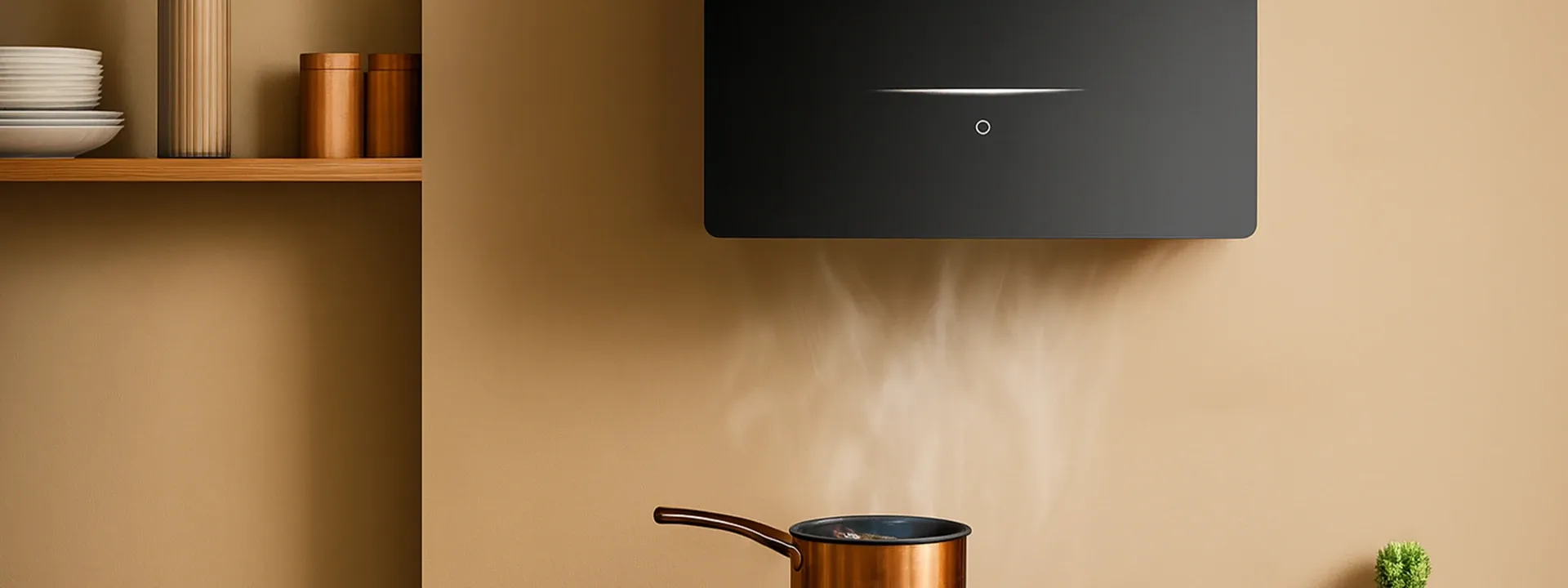
Modern kitchens demand smart solutions that reduce daily maintenance while delivering superior performance. The auto-clean chimney mechanism represents a breakthrough in kitchen ventilation technology, eliminating the tedious task of manual filter cleaning. This innovative system uses heat and automated processes to maintain optimal suction power without constant user intervention. Understanding how this technology works helps homemakers make informed decisions about upgrading their kitchen ventilation systems.
An auto clean chimney uses advanced thermal technology to automatically clean its internal components without manual intervention. Unlike traditional chimneys that require frequent filter removal and washing, these systems employ heat-based mechanisms to separate oil and grease particles from the air stream.
The core difference between a self cleaning chimney and conventional models lies in the oil collection system. Traditional chimneys trap grease in baffle or mesh filters that need regular cleaning. Auto-clean models heat the incoming air to separate oil particles, which then collect in a dedicated chamber.
Key components include thermal heating elements, oil collection chambers, and smart sensors that monitor cleaning cycles. This technology ensures consistent suction power while minimizing maintenance requirements for busy households.
The chimney cleaning mechanism operates through a sophisticated thermal process that activates during cooking or scheduled intervals. When the system detects oil-laden air, heating elements warm the air stream to approximately 200-250 degrees Celsius.
At this temperature, oil and grease particles separate from the air and flow into a collection chamber located at the bottom of the unit. The cleaned air continues through the suction system, maintaining optimal ventilation performance throughout the cooking process.
The automatic cleaning cycle begins when sensors detect accumulated oil particles or at preset intervals. Heating elements activate, warming the internal chamber to the optimal temperature for oil separation.
Separated oil particles flow down specially designed channels into a removable collection tray. This tray requires emptying every few weeks, depending on cooking frequency and oil usage patterns.
Advanced sensors monitor air quality, temperature, and cleaning cycle timing. These components ensure the system operates efficiently while preventing overheating or unnecessary energy consumption.
Several types of chimney cleaners exist in the auto-clean category, each designed for specific kitchen requirements and cooking styles. Thermal auto-clean technology represents the most common approach, using controlled heating to separate contaminants.
Oil collector-based systems focus on efficient particle separation and easy maintenance. These models feature larger collection chambers and enhanced drainage systems for heavy-use kitchens.
This system uses precise temperature control to ensure effective cleaning without damaging internal components. The heating process typically lasts 15-30 minutes per cycle.
Some models combine thermal cleaning with traditional filtration for enhanced performance. These systems offer flexibility for different cooking styles and oil usage patterns.
Modern smart kitchen chimney models include app connectivity, voice control, and integration with other smart appliances. These features allow remote monitoring and control of cleaning cycles.
The primary advantage of auto-clean technology lies in reduced chimney maintenance requirements. Traditional chimneys need filter cleaning every 2-3 weeks, while auto-clean models require only monthly oil chamber emptying.
Consistent suction power represents another significant benefit. Manual cleaning often results in reduced performance between cleaning cycles, while auto-clean systems maintain optimal airflow continuously.
Over time, auto-clean chimneys reduce maintenance costs by eliminating the need for frequent professional cleaning services. The initial investment typically pays for itself within 2-3 years.
Continuous cleaning ensures better removal of smoke, odors, and airborne particles. This results in cleaner kitchen air and reduced oil deposits on surrounding surfaces.
Regular automatic cleaning prevents oil buildup that can damage motor components and reduce overall system efficiency. This extends the chimney's operational life significantly.
Proper installation ensures optimal performance of the automatic chimney cleaner system. The unit requires adequate electrical supply for heating elements and sufficient clearance for heat dissipation during cleaning cycles.
Professional installation includes positioning the chimney at the correct height above the cooktop, typically 24-30 inches for gas stoves and 20-24 inches for electric cooktops. Proper ducting ensures efficient air removal and prevents backdraft issues.
Auto-clean chimneys require dedicated electrical circuits to handle the additional power load from heating elements. Most models operate on standard 220V supply with proper earthing.
Installation must include proper ventilation around the unit to prevent overheating during cleaning cycles. Safety switches and thermal cutoffs protect against malfunction.
While auto-clean technology reduces maintenance requirements, regular care ensures optimal performance and longevity. The oil collection chamber needs emptying every 3-4 weeks for average cooking households.
External cleaning involves wiping down surfaces with mild detergent and checking for any visible damage or wear. Monthly inspection of the oil collection system prevents overflow and maintains hygiene standards.
Empty the collection chamber when it reaches 70-80% capacity. Clean the chamber with warm soapy water and ensure complete drying before reinstallation.
Even auto-clean models may have pre-filters that require occasional cleaning. Check these components monthly and clean as needed with degreasing agents.
If suction power decreases, check the oil chamber for overflow or blockages. Unusual noises during cleaning cycles may indicate heating element issues requiring professional attention.
Most systems run cleaning cycles every 10-15 hours of operation or can be set for daily scheduled cleaning. The frequency depends on cooking patterns and oil usage.
Oil and grease collect in a removable chamber that requires manual emptying every few weeks. The collected waste can be disposed of with regular household waste.
Yes, these systems are designed for heavy-duty use. The thermal cleaning process effectively handles high oil volumes from deep frying and intensive cooking.
While the internal mechanism cleans automatically, external surfaces and the oil collection chamber require periodic manual cleaning for hygiene and optimal performance.
Cleaning cycles typically consume 200-300 watts for 15-30 minutes, adding approximately INR 50-100 to monthly electricity bills depending on usage frequency.
Auto-clean chimneys use thermal technology to clean internal components, while filterless models rely on centrifugal force to separate particles without traditional filters.
With proper maintenance, auto-clean chimneys typically last 8-12 years. The thermal cleaning mechanism actually extends component life by preventing oil buildup.
Auto-clean technology is available in various sizes from 60cm to 120cm widths, making them suitable for small apartments to large family kitchens.
Auto-clean chimney technology revolutionizes kitchen maintenance by eliminating frequent filter cleaning while maintaining superior ventilation performance. The thermal-based mechanism effectively separates oil and grease, collecting waste in easily removable chambers. This innovation reduces long-term maintenance costs and ensures consistent air quality in modern kitchens. Understanding the mechanism helps homemakers choose the right system for their cooking needs and maintenance preferences.
