

7 Ways Aluminum Utensils Can Scratch Glass Tops
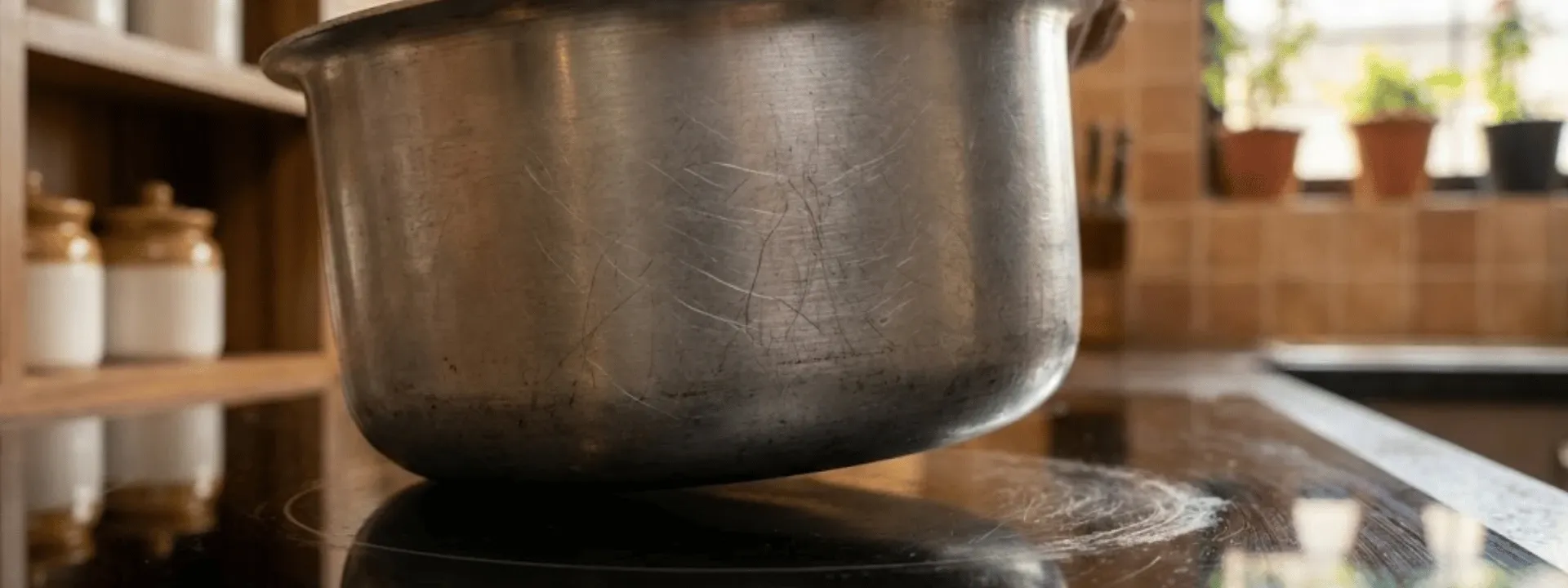
Glass cooktops bring elegance and modern style to any kitchen. However, many homeowners discover too late that their beautiful cooking surface can be damaged by everyday cookware choices. Can aluminium utensils damage glass surface? The answer is yes, and understanding how this happens can save you from costly repairs and frustration. Aluminum cookware remains popular due to its excellent heat conduction and lightweight design. Yet when paired with glass cooktops, this combination can create unexpected problems. From microscopic scratches to visible gouges, the interaction between aluminum and glass surfaces requires careful attention. Smart cooking practices and proper cookware selection protect your investment while maintaining cooking performance.
The relationship between aluminum pots on glass cooktop surfaces involves complex material science principles. Glass cooktops use tempered glass designed to withstand high temperatures, but this heat resistance doesn't automatically provide scratch protection. Aluminum, while softer than steel, can still damage glass under specific conditions. Temperature changes cause both materials to expand and contract at different rates. This thermal movement creates friction between the cookware bottom and glass surface. Even microscopic irregularities on aluminum bottoms can act like tiny scrapers against the smooth glass.
Material hardness plays a crucial role in aluminum vs glass cooktop compatibility. On the Mohs hardness scale, aluminum rates around 2.5-3, while tempered glass measures approximately 5.5-6. Despite glass being harder, aluminum can still cause damage through repeated contact and pressure. Heat expansion creates additional stress points. Aluminum expands more rapidly than glass when heated, causing the cookware to press against the cooktop surface with increasing force. This pressure, combined with any sliding movement, generates the friction needed for scratching.
Many users assume tempered glass cooktops resist all types of damage. While these surfaces handle thermal shock well, they remain vulnerable to abrasive contact. Manufacturer warranties typically exclude damage from improper cookware use, making prevention essential. The smooth appearance of glass cooktops can be deceiving. Even minor scratches become highly visible under kitchen lighting, affecting both aesthetics and resale value.
Aluminum cookware scratching glass happens through several distinct mechanisms. Understanding these damage patterns helps prevent future problems and protects your cooking surface investment. Each scratching method requires different prevention strategies. The interaction between cookware material and glass tops depends on multiple factors including surface finish, cooking techniques, and maintenance practices. Even high-quality aluminum cookware can cause damage without proper handling.
Thermal expansion causes aluminum pots to move slightly as they heat up. This natural movement, combined with stirring motions, creates sliding contact against the glass surface. The constant friction gradually wears microscopic scratches that accumulate over time. Prevention requires lifting pots completely when adjusting position. Never slide cookware across the surface, even for small movements.
Manufacturing defects or wear patterns create uneven contact points on aluminum cookware bottoms. These raised areas concentrate pressure and increase scratching potential. Warped bottoms from overheating create similar problems. Regular inspection of cookware bottoms helps identify potential damage sources before they scratch your cooktop.
Food particles, grease buildup, and mineral deposits act as abrasive agents between aluminum and glass. These tiny particles create grinding action that accelerates scratch formation. Salt crystals and sugar granules prove particularly damaging. Thorough cleaning before each cooking session removes these scratch-causing particles.
Dragging heavy aluminum pots instead of lifting them properly creates the most visible scratches. Weight distribution problems occur when users tilt pots while moving them. Handle positioning mistakes lead to uncontrolled contact with the glass surface. Proper lifting requires two hands for heavy cookware and complete clearance from the cooktop surface.
Rapid heating and cooling cycles create thermal stress on both aluminum and glass. Aluminum's faster expansion rate can cause sudden pressure changes against the cooktop. These shock reactions sometimes result in stress fractures or deep scratches. Gradual temperature changes protect both cookware and cooktop from thermal damage.
Using wrong cleaning tools on aluminum residue creates additional scratches. Steel wool and abrasive cleaners damage the glass surface while attempting to remove aluminum marks. Chemical reactions between cleaners and aluminum can also create corrosive conditions. Gentle cleaning methods preserve both cookware and cooktop surfaces.
Storing aluminum pots in contact with the cooktop surface allows vibrations to create micro-movements. Cabinet vibrations from nearby appliances transfer through stacked cookware. Transport scratches occur when moving stored pots across the glass. Proper storage keeps cookware completely separated from the cooktop surface.
Safe cookware for glass top stoves includes materials specifically designed for smooth surface compatibility. The best cookware for glass stoves combines flat bottoms, appropriate weight, and scratch-resistant materials. Quality construction ensures long-term compatibility with glass surfaces. Material selection significantly impacts cooking performance and cooktop protection. Some materials provide better heat distribution while others offer superior surface protection.
Stainless steel with flat, polished bottoms provides excellent glass cooktop compatibility. The smooth finish reduces friction while maintaining good heat conduction. Cast iron works well when properly seasoned and featuring smooth bottom surfaces. Ceramic and enameled cookware offer non-reactive cooking with glass-safe properties. Carbon steel provides professional cooking performance with proper bottom finishing.
Flat, smooth bottom surfaces ensure even contact and heat distribution. Appropriate weight distribution prevents pressure concentration that leads to scratching. Heat-responsive materials adapt to temperature changes without warping. Quality construction standards include precision-machined bottoms and durable finish treatments.
Rough-bottom aluminum poses the highest scratch risk. Warped or damaged pots create uneven pressure points. Stone cookware and unfinished ceramic can damage glass surfaces. Glass cookware presents thermal shock risks and potential breakage concerns.
Glass cooktop scratch prevention requires consistent daily practices and proper equipment choices. Protecting glass stovetop from scratches involves both immediate cooking techniques and long-term maintenance strategies. Prevention costs far less than replacement or professional repair. Establishing protective routines ensures your glass cooktop maintains its appearance and functionality for years. Simple habit changes provide significant protection benefits.
Proper lifting techniques eliminate sliding contact that causes scratches. Heat level management prevents thermal shock and excessive expansion. Cookware placement guidelines ensure optimal contact and stability. Regular surface inspection identifies potential problems before they become serious damage.
Cooktop protector mats provide barrier protection during storage. Silicone trivets and pads cushion cookware contact. Proper cleaning tools remove debris without scratching. Storage solutions keep cookware separated from the cooktop surface when not in use.
Daily cleaning routines remove scratch-causing particles and residue. Weekly deep cleaning addresses accumulated buildup. Monthly inspection checklists identify wear patterns and potential problems. Annual professional assessment ensures optimal performance and identifies repair needs.
Cleaning scratched glass cooktop surfaces requires careful assessment and appropriate repair methods. Removing aluminum marks from glass involves specific techniques that address both surface residue and actual scratches. Understanding damage severity determines the best restoration approach. Professional repair services handle deep scratches and extensive damage. DIY methods work well for minor surface issues and aluminum residue removal.
Surface scratches feel smooth to fingernail touch while deep gouges catch nail edges. Aluminum residue appears as metallic marks that may wipe away with proper cleaning. Professional help becomes necessary for scratches visible from normal viewing distance. Cost-benefit analysis helps determine whether repair or replacement makes financial sense.
Baking soda paste technique uses gentle abrasive action for surface scratch removal. Commercial glass polish products provide professional-grade results for home use. Cerium oxide polishing compound offers the most effective scratch removal for serious DIY efforts. Step-by-step repair processes require patience and proper technique for best results.
Safe cleaning solutions dissolve aluminum residue without damaging glass. Specialized removal products target metallic deposits specifically. Heat-activated cleaning methods soften stubborn aluminum marks for easier removal. Prevention strategies reduce future marking and residue buildup.
Aluminum foil can melt and bond to glass cooktop surfaces, creating permanent damage. The thin material heats rapidly and may leave metallic residue that requires professional removal. Never place aluminum foil directly on glass cooking surfaces.
Check for completely flat, smooth bottoms without warping or rough spots. Quality aluminum cookware designed for glass cooktops features precision-machined bottom surfaces. Manufacturer specifications should explicitly state glass cooktop compatibility.
Sliding cookware across the surface causes most scratches. Even small movements during cooking can create microscopic damage that accumulates over time. Always lift pots and pans completely when repositioning them.
Deep scratches typically require professional repair or complete cooktop replacement. Surface-level scratches may respond to polishing compounds, but deep gouges compromise the tempered glass structure. Professional assessment determines repair feasibility.
Minor scratch repair ranges from INR 2,000 to INR 5,000 depending on severity. Complete cooktop replacement costs INR 15,000 to INR 40,000 including installation. Prevention through proper cookware selection costs significantly less than repair.
Most cookware warranties exclude damage to cooking surfaces. Glass cooktop warranties typically exclude damage from improper cookware use. Check both warranties carefully and maintain proper documentation for any claims.
Protecting your glass cooktop from aluminum cookware damage requires understanding the science behind material interaction and implementing proven prevention strategies. The seven ways aluminum utensils can scratch glass surfaces all stem from friction, pressure, and improper handling techniques. Investing in safe cookware for glass top stoves protects your cooking surface while maintaining excellent cooking performance. Quality stainless steel, properly finished cast iron, and ceramic cookware provide better long-term value than constantly replacing damaged aluminum pots. Establishing proper cooking habits, cleaning routines, and storage practices ensures your glass cooktop maintains its beauty and functionality for years. Prevention costs far less than repair or replacement, making these protective measures a smart investment in your kitchen's future.
