

7 Top Stove Ignition Systems for Reliable Cooking
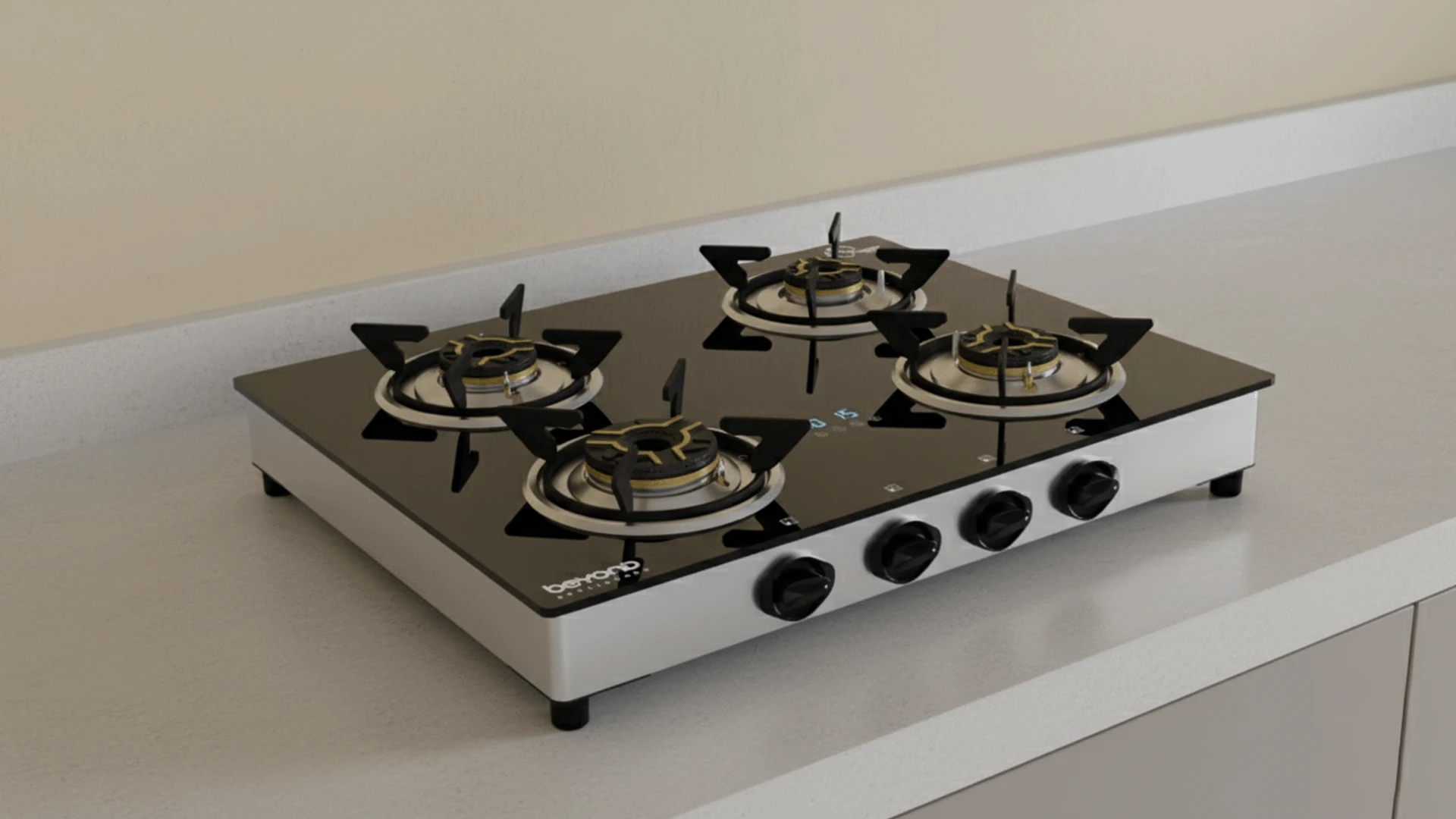
Modern kitchens demand reliable cooking solutions that combine safety, convenience, and efficiency. The best ignition system for stoves can transform your cooking experience, ensuring consistent flame control and enhanced safety features. Whether you're upgrading an existing setup or selecting a new cooking appliance, understanding different ignition technologies helps you make informed decisions. From traditional manual systems to advanced electronic options, each type offers unique benefits for different cooking styles and kitchen requirements. This comprehensive guide explores seven top-performing ignition systems that deliver reliable performance for everyday cooking needs.
Choosing the right ignition system requires understanding how different technologies work and their practical applications. Modern stoves offer various ignition methods, each designed to address specific cooking needs and safety requirements. Electronic systems provide consistent performance with minimal user effort, while traditional manual options offer simplicity and independence from power sources.
Electronic ignition systems use electrical components to create sparks automatically when you turn the gas control knob. These systems eliminate the need for matches or lighters, providing instant flame generation with enhanced safety features. Manual ignition requires external flame sources but offers reliability during power outages and simpler maintenance requirements.
Spark ignition technology generates electrical sparks through piezo-electric crystals or battery-powered circuits. When activated, these systems create high-voltage sparks that ignite gas instantly. Modern spark ignition systems include safety features like flame sensors and automatic shut-off mechanisms for enhanced protection.
Auto ignition gas stoves represent the current standard for convenient cooking solutions. These systems combine safety, efficiency, and user-friendly operation in single packages. Most modern households prefer auto ignition systems for their reliability and ease of use during daily cooking activities.
Automatic systems provide instant flame generation without external tools or complicated procedures. Safety improvements include reduced burn risks and elimination of open flame exposure during lighting. Cost benefits emerge through reduced gas waste and improved cooking efficiency over time.
Three-burner configurations offer optimal balance between cooking capacity and kitchen space utilization. These models typically feature individual ignition controls for each burner, allowing independent operation and enhanced cooking flexibility. Installation requirements remain straightforward with standard gas connections and electrical power sources.
Selecting the best ignition system for stoves depends on specific cooking requirements, safety preferences, and budget considerations. Each system type offers distinct advantages for different kitchen environments and user preferences. Professional evaluation helps identify optimal solutions for individual cooking needs.
Piezo-electric systems generate sparks through mechanical pressure on specialized crystals. These systems require no external power source, making them reliable during electrical outages. Durability ratings typically exceed 100,000 ignition cycles, providing long-term value for frequent cooking activities.
Battery systems deliver consistent spark generation through dedicated power sources. Typical battery life ranges from 12-18 months with regular cooking use. Performance remains stable across various environmental conditions, including humidity and temperature fluctuations common in kitchen environments.
AC-powered systems connect directly to household electrical supply for continuous operation. Installation requires qualified electrical work but eliminates battery replacement needs. Long-term reliability benefits include consistent performance and reduced maintenance requirements over extended periods.
Pulse technology generates multiple sparks rapidly for enhanced lighting reliability. These systems work effectively with various gas pressures and environmental conditions. Maintenance involves periodic cleaning of spark electrodes and verification of electrical connections for optimal performance.
CDI systems store electrical energy in capacitors for high-energy spark generation. Professional-grade performance suits commercial applications and heavy-duty cooking requirements. Cost analysis shows higher initial investment but superior long-term reliability and performance consistency.
Hybrid systems combine multiple ignition technologies for enhanced reliability and backup capabilities. Primary electronic ignition provides convenience while manual backup ensures functionality during power failures. Advanced safety features include automatic gas shut-off and flame monitoring systems.
Smart ignition systems connect to home networks for remote monitoring and control capabilities. Mobile applications enable cooking schedule management and safety monitoring from anywhere. Future-proofing benefits include software updates and integration with smart home ecosystems.
Gas stove ignition systems offer unique advantages compared to electric and induction alternatives. Understanding these differences helps homeowners select appropriate cooking technologies for their specific needs and preferences. Each technology provides distinct benefits for different cooking styles and kitchen requirements.
Gas systems provide instant flame control with immediate heat adjustment capabilities. Energy efficiency metrics show competitive performance with precise temperature control. Cooking precision advantages include visual flame monitoring and rapid heat response for professional-style cooking techniques.
Electric coil systems heat gradually but maintain consistent temperatures once warmed. Smooth-top electric surfaces offer easy cleaning but slower heat response times. Heat-up periods typically range from 3-5 minutes, while cool-down requires 10-15 minutes for safety.
Induction systems use electromagnetic fields to heat compatible cookware directly. Energy efficiency ratings exceed 85%, compared to 40-50% for traditional gas systems. Cookware compatibility requires magnetic materials like cast iron or stainless steel for proper operation.
Troubleshooting stove ignition issues requires systematic diagnosis and appropriate safety precautions. Common problems include weak sparks, delayed ignition, or complete system failure. Understanding basic diagnostic procedures helps identify simple fixes versus situations requiring professional intervention.
Weak or absent sparks often indicate dirty electrodes or loose electrical connections. Gas flow problems may cause delayed ignition or uneven flame patterns. Safety precautions include turning off gas supply and ensuring adequate ventilation before beginning any diagnostic procedures.
Stove igniter cleaning involves gentle removal of food debris and grease buildup around spark electrodes. Soft brushes and mild cleaning solutions effectively restore proper spark generation. Component inspection should include checking wire connections and electrode positioning for optimal performance.
Complex stove repair situations require qualified technicians for safety and warranty compliance. Gas line modifications and electrical system repairs exceed typical DIY capabilities. Cost analysis comparing repair expenses to replacement costs helps determine optimal solutions for aging appliances.
Selecting optimal ignition systems requires evaluating cooking habits, safety requirements, and budget constraints. Efficient stove ignition systems provide long-term value through reduced maintenance needs and improved cooking performance. Professional consultation helps identify solutions matching specific kitchen environments and user preferences.
Cooking frequency influences ignition system durability requirements and maintenance schedules. Family safety needs may prioritize automatic shut-off features and child-safety locks. Budget considerations include initial purchase costs, installation expenses, and long-term maintenance requirements.
Kitchen setup requirements include adequate gas supply, electrical connections, and proper ventilation systems. Professional installation ensures compliance with local building codes and safety regulations. DIY installation may void warranties and create safety hazards without proper knowledge and tools.
Comparative energy consumption analysis shows modern ignition systems reduce gas waste through precise flame control. Environmental benefits include reduced emissions and improved combustion efficiency. Long-term cost savings emerge through reduced utility bills and extended appliance lifespan.
Piezo-electric and battery-powered electronic systems offer optimal balance of reliability, convenience, and cost-effectiveness for most home kitchens. These systems provide consistent performance with minimal maintenance requirements.
Auto ignition systems provide superior convenience and safety features, while manual ignition offers simplicity and power-independence. Most modern households prefer auto ignition for daily cooking convenience.
Quality ignition systems typically last 8-12 years with regular maintenance. Piezo-electric systems often exceed 15 years, while electronic systems may require component replacement after 5-8 years.
Upgrading existing stoves depends on model compatibility and available space for new components. Professional evaluation determines feasibility and cost-effectiveness compared to complete appliance replacement.
Essential safety features include automatic gas shut-off, flame sensors, child safety locks, and thermal protection. Advanced systems offer smart monitoring and remote safety controls for enhanced protection.
Selecting the best ignition system for stoves requires balancing convenience, safety, and long-term value considerations. Modern electronic systems provide superior performance and safety features compared to traditional manual options. Professional installation and regular maintenance ensure optimal performance and extended system lifespan. Consider cooking habits, family safety needs, and budget constraints when evaluating different ignition technologies for your kitchen.
