

7 Top Hob Technologies for Modern Home Cooking
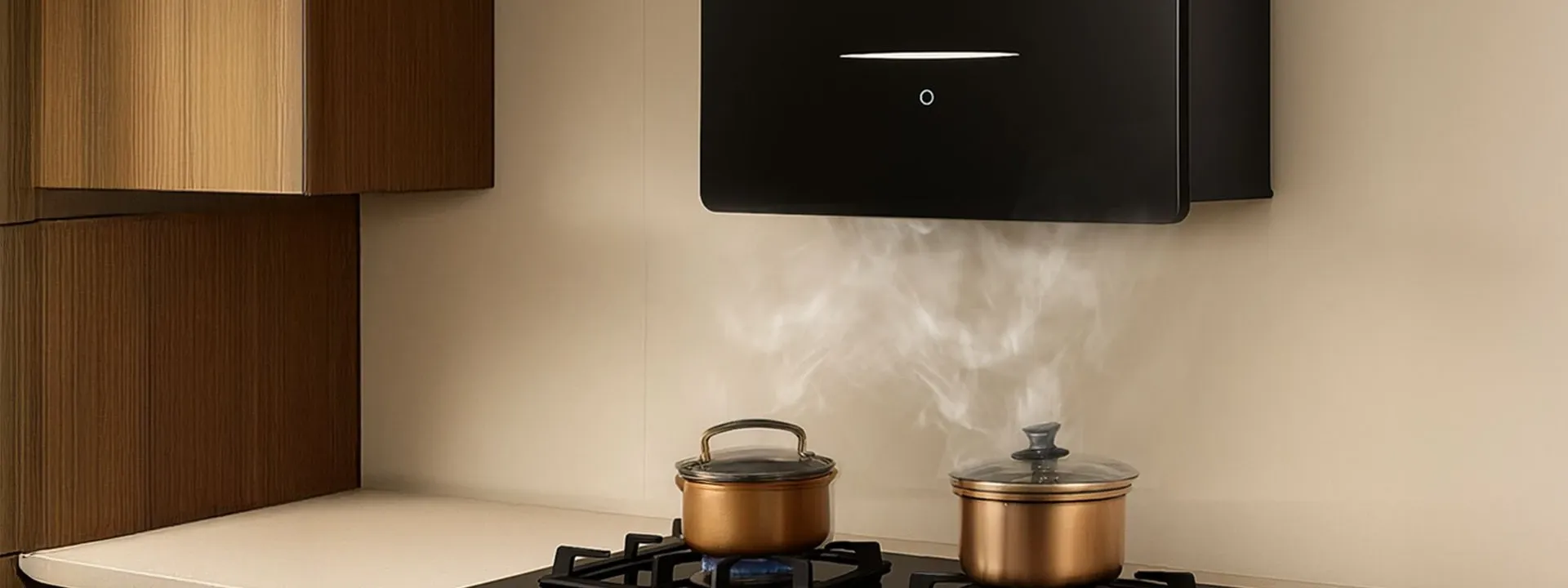
Modern kitchens demand smart solutions that blend efficiency with style. Today's cooking technology has evolved far beyond basic heating elements to offer precision control, energy savings, and seamless integration with contemporary home design. The best hob technology for home cooking combines advanced features with practical benefits that make daily meal preparation easier and more enjoyable. From electromagnetic induction systems to smart connectivity features, these seven cutting-edge technologies represent the future of home cooking surfaces.
Today's cooktop technology represents a significant leap from traditional cooking surfaces. Modern hobs integrate sophisticated heating mechanisms with intelligent controls that respond to your cooking needs instantly. These advances focus on three key areas: energy efficiency, safety features, and user convenience. The evolution from basic gas burners to smart cooking surfaces has transformed how we approach meal preparation. Contemporary modern hob design prioritizes sleek aesthetics while delivering superior performance. Glass surfaces, touch controls, and digital displays create a seamless cooking experience that complements today's kitchen aesthetics.
The induction hob stands as the most advanced cooking technology available today. This system uses electromagnetic fields to heat cookware directly, achieving an impressive 90% energy efficiency rating. Unlike traditional methods that heat the cooking surface first, induction technology transfers energy directly to your pans.
Induction technology creates a magnetic field beneath the glass surface. When compatible cookware is placed on the hob, the magnetic field induces electrical currents in the pan's base, generating heat instantly. This direct heating method eliminates energy waste and provides precise temperature control.
Today's smart hob features include touch-sensitive controls, digital temperature displays, and programmable timers. Advanced models offer pan detection technology that automatically adjusts power levels based on cookware size. Some units feature boost functions for rapid heating and keep-warm settings for serving convenience.
The gas hob remains popular for its instant heat control and compatibility with all cookware types. Modern gas technology incorporates safety features and efficiency improvements that address traditional concerns while maintaining the responsive cooking experience chefs prefer. Advanced gas hobs feature brass burner systems that distribute flames evenly across pan bases. Three-dimensional flame technology ensures optimal heat distribution, while auto-ignition systems eliminate the need for matches or lighters. Flame failure devices automatically shut off gas supply if flames are extinguished accidentally.
Contemporary gas hobs achieve 40-50% energy efficiency through improved burner design and flame control systems. Multi-ring burners provide different heat zones for various cooking techniques, from gentle simmering to high-heat searing. Safety features include child locks and automatic gas shut-off mechanisms.
The ceramic hob offers an attractive middle ground between traditional and advanced cooking technologies. These units feature radiant heating elements beneath a smooth glass surface, providing even heat distribution and easy cleaning.
Ceramic hobs heat up quickly and maintain consistent temperatures across the cooking zone. The smooth glass surface resists scratches and stains, making maintenance simple. Residual heat indicators show when surfaces remain hot after cooking, enhancing safety.
Modern electric hob technology achieves 70-80% energy efficiency through improved heating elements and better insulation. Solid plate elements provide steady heat for slow cooking, while halogen elements offer rapid response times similar to gas cooking.
The choice between glass and steel surfaces significantly impacts both performance and aesthetics. Each material offers distinct advantages that suit different cooking styles and kitchen designs.
Glass surfaces provide a sleek, modern appearance that integrates seamlessly with contemporary kitchen designs. The smooth surface makes cleaning effortless, while toughened glass construction ensures durability under high temperatures. Heat-resistant properties allow safe operation at cooking temperatures up to 600°C.
Stainless steel hobs offer superior longevity and resistance to thermal shock. The material's excellent heat conduction properties ensure even temperature distribution. Professional-grade steel surfaces maintain their appearance over years of heavy use while providing corrosion resistance.
The latest smart hob features transform cooking from a manual process into an assisted experience. Connected hobs integrate with smartphone apps, allowing remote monitoring and control of cooking processes. Wi-Fi enabled models send notifications when cooking times complete or temperatures reach target levels. Some units feature recipe integration that automatically adjusts heat settings based on selected dishes. Energy monitoring functions track usage patterns and suggest efficiency improvements.
Advanced safety systems include automatic pan detection that activates heating zones only when cookware is present. Overflow sensors detect spills and reduce heat automatically. Child safety locks prevent accidental activation, while timer functions ensure food never overcooks.
Selecting the best hob technology for home use depends on cooking habits, energy priorities, and budget considerations. This comprehensive hob buying guide helps identify the optimal solution for your kitchen needs.
Induction hobs lead in efficiency at 90%, followed by electric models at 70-80%, and gas units at 40-50%. While induction requires higher initial investment, the energy efficient hob technology reduces long-term operating costs significantly. Calculate potential savings based on your cooking frequency and local energy rates.
Built-in models require professional installation and adequate ventilation systems. Portable units offer flexibility but may have power limitations. Consider your kitchen layout, electrical capacity, and gas connections when selecting hob technology. Two, three, and four-burner configurations suit different household sizes and cooking requirements.
Induction hobs provide the highest energy efficiency at 90%, making them the most environmentally friendly and cost-effective option for regular cooking. The electromagnetic heating method transfers energy directly to cookware, minimizing heat loss.
Yes, induction hobs typically pay for themselves through energy savings within 2-3 years of regular use. The precise temperature control and safety features add significant value beyond cost savings.
Ceramic glass surfaces are easiest to clean due to their smooth, non-porous finish. Spills wipe away easily, and the flat surface prevents food from getting trapped in crevices.
Induction hobs require magnetic cookware made from materials like cast iron or magnetic stainless steel. Aluminum, copper, and glass cookware won't work unless they have magnetic bases.
A four-burner hob provides optimal flexibility for family cooking, allowing multiple dishes to cook simultaneously. Three-burner models work for smaller families, while two-burner units suit couples or small kitchens.
The best hob technology for home cooking balances efficiency, safety, and convenience with your specific needs and budget. Induction technology leads in energy efficiency and modern features, while gas hobs offer traditional reliability with enhanced safety. Ceramic and electric options provide cost-effective solutions with contemporary styling. Consider your cooking habits, kitchen setup, and long-term energy costs when making your decision. Modern hob technologies transform daily cooking into a more efficient and enjoyable experience.
