

7 Smart Ways to Protect Your Kitchen from Gas Leaks
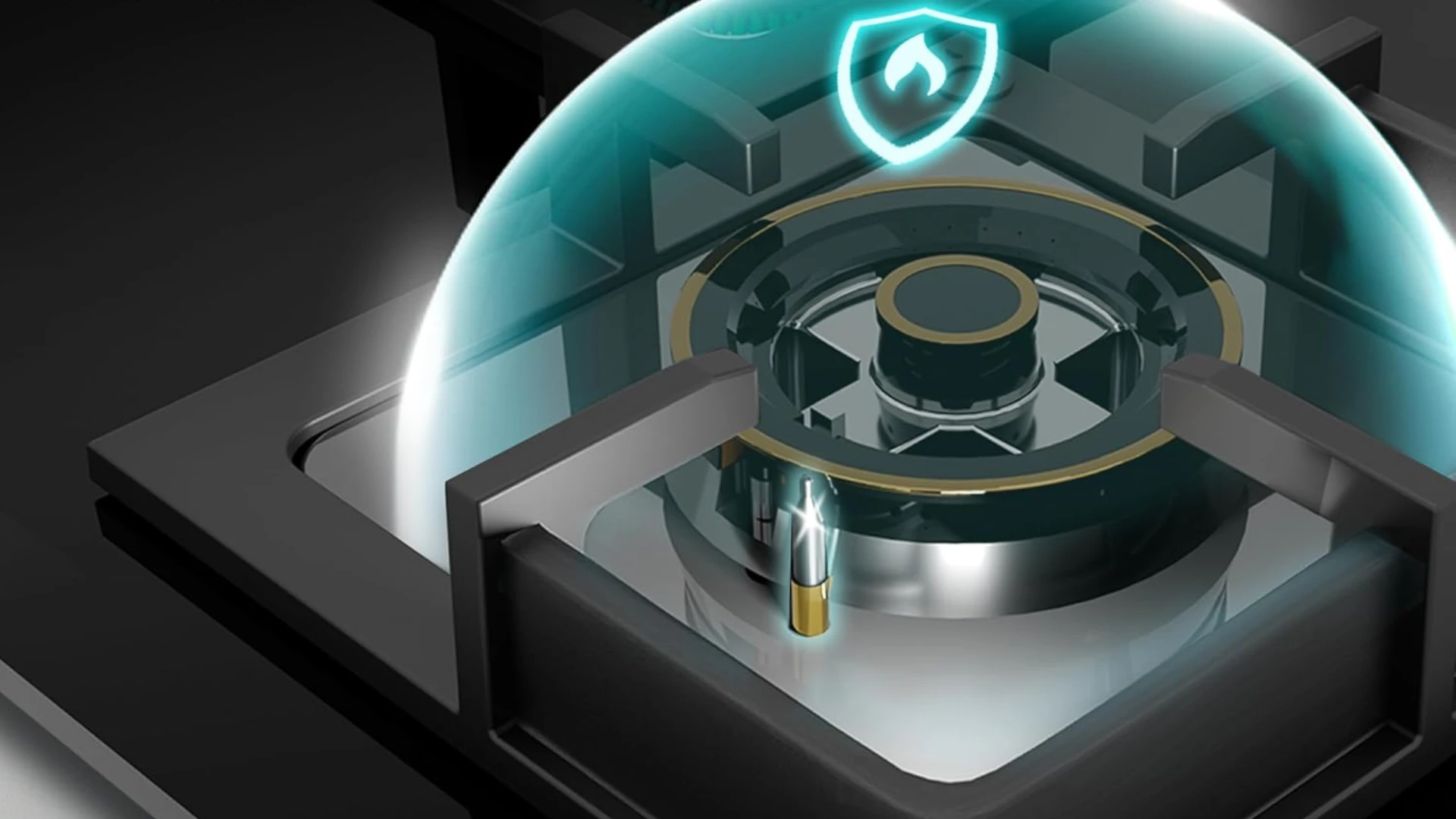
Gas leaks in kitchens pose serious safety risks that can lead to fires, explosions, and health hazards. Modern cooking spaces require advanced protection beyond traditional safety measures. Smart technology now offers innovative solutions for hob gas leak protection that can detect dangerous gas accumulation before it becomes life-threatening. These intelligent systems work alongside proper installation practices and regular maintenance to create multiple layers of safety. Understanding how to implement comprehensive gas leak prevention strategies helps protect your family while maintaining the convenience of gas cooking appliances.
Kitchen gas leaks can occur from various sources including loose connections, damaged hoses, faulty valves, and aging appliances. Statistics show that improper gas appliance installation and maintenance contribute to thousands of household accidents annually. Gas appliance safety becomes critical when considering that even small leaks can accumulate dangerous concentrations over time. Traditional safety measures like visual inspections and soap bubble tests provide limited protection. Modern kitchens need continuous monitoring systems that can detect gas presence immediately. Kitchen safety has evolved from basic precautions to sophisticated detection networks that integrate with home automation systems. Smart protection systems offer real-time alerts and automatic shut-off capabilities that traditional methods cannot provide.
Advanced smart gas sensor technology represents the most effective approach to early gas leak detection. These devices continuously monitor air quality and can identify even trace amounts of gas before dangerous concentrations develop. Modern sensors connect to smartphone apps, sending instant alerts when gas levels exceed safe thresholds.
Smart sensors use electrochemical or semiconductor technology to detect gas molecules in the air. They provide real-time monitoring with sensitivity levels that can identify leaks within seconds. Smartphone integration allows remote monitoring and immediate notifications even when you're away from home.
LPG gas detector systems require different sensor technologies than natural gas detector units. LPG is heavier than air and settles near floor level, while natural gas rises toward ceilings. Proper placement strategies ensure maximum effectiveness for each gas type. Installing sensors at appropriate heights optimizes detection capabilities for your specific cooking fuel.
Certified gas safety devices meet strict safety standards and compliance requirements. Government-approved models undergo rigorous testing to ensure reliability and accuracy. These devices often include features like battery backup, tamper-proof designs, and integration capabilities with emergency response systems.
Flame failure devices provide essential hob gas leak protection by automatically cutting off gas supply when flames extinguish unexpectedly. This technology prevents dangerous gas accumulation that could lead to explosions or poisoning. Modern gas hobs increasingly include built-in flame failure protection as standard safety equipment.
Flame failure devices use thermocouple sensors that detect flame presence through heat generation. When flames extinguish, the sensor cools rapidly and triggers an automatic gas shut-off valve. This immediate response prevents gas from continuing to flow into the kitchen environment.
Instant gas supply shutdown occurs within seconds of flame extinguishment, preventing dangerous gas accumulation. These devices work independently of electrical power, ensuring protection even during power outages. Integration with modern gas hobs provides seamless operation without affecting cooking performance.
Compatibility with existing appliances determines the best flame failure device options for your kitchen. Some devices retrofit to older gas hobs, while others require complete appliance replacement. Professional installation ensures proper calibration and optimal safety performance.
Comprehensive gas safety devices create multiple protection layers throughout your kitchen space. These systems combine detection, monitoring, and automatic response capabilities for maximum cooking safety. Advanced devices integrate with home gas safety networks that can coordinate responses across multiple appliances and detection points.
Whole-kitchen coverage strategies involve placing sensors at strategic locations to monitor all potential leak sources. Integration with home automation systems allows coordinated responses including ventilation activation and emergency notifications. These systems can differentiate between cooking vapors and actual gas leaks.
Automatic gas supply interruption occurs when sensors detect dangerous concentrations or receive manual override commands. Remote control capabilities allow gas shut-off from smartphones or central control panels. These valves can isolate individual appliances or shut off entire gas supplies as needed.
Spill-proof designs prevent liquid spills from extinguishing flames and causing gas exposure. These hobs feature raised burner designs and overflow channels that direct spills away from flame areas. Maintenance becomes easier while safety improves through reduced accidental flame extinguishing.
Gas leak prevention depends heavily on proper sensor placement and professional installation practices. Optimal positioning ensures maximum coverage while minimizing false alarms from normal cooking activities. Understanding placement requirements helps create effective protection networks throughout your kitchen space.
Height and distance requirements vary based on gas type and kitchen layout. Sensors should avoid direct exposure to cooking vapors while maintaining clear detection paths. Strategic placement near gas appliances and potential leak sources maximizes early warning capabilities.
Certified technicians ensure proper installation and calibration of complex gas safety systems. DIY installation may be suitable for simple battery-operated detectors but professional installation is recommended for integrated systems. Safety considerations during installation include gas line testing and electrical connections.
Clearance requirements above gas hobs ensure proper sensor function without interference from cooking activities. Coordinating with cooker hoods and exhaust systems prevents false alarms while maintaining detection accuracy. Proper ventilation actually enhances gas detection by preventing vapor accumulation that could mask gas presence.
Regular maintenance ensures continued effectiveness of gas leak prevention systems throughout their operational life. Kitchen safety depends on properly functioning detection equipment that receives appropriate care and testing. Establishing maintenance schedules prevents system failures that could compromise protection.
Monthly visual inspections check for physical damage or obstruction of sensors and devices. Quarterly testing verifies proper operation and calibration accuracy. Annual professional inspections ensure compliance with safety standards and identify potential replacement needs.
Safe testing procedures use approved test gases or calibration kits to verify sensor accuracy. Calibration requirements vary by device type but typically occur annually or after significant environmental changes. Professional calibration ensures optimal sensitivity and reduces false alarm rates.
Visual indicators include warning lights, display messages, or physical damage to equipment. Auditory signals may include chirping, beeping, or alarm sounds that indicate low battery or malfunction. Olfactory detection of gas odors should trigger immediate action regardless of electronic system status.
Effective cooking safety requires prepared emergency response procedures that every family member understands. Gas leak prevention includes not only detection but also proper response when leaks occur. Creating comprehensive action plans ensures quick, safe responses that minimize danger and property damage.
Safe evacuation procedures prioritize getting everyone out of the building before attempting any corrective actions. Shutting off gas supplies correctly involves knowing main valve locations and proper turning procedures. Avoid using electrical switches, phones, or creating sparks that could ignite accumulated gas.
Communication protocols establish meeting points and contact procedures for family members. Emergency contact information should include gas utility companies, fire departments, and certified repair technicians. Regular practice drills help ensure everyone knows their roles during actual emergencies.
Gas utility companies provide emergency response services for suspected leaks and should be contacted immediately. Emergency services can assess situations and determine when it's safe to re-enter buildings. Documentation for insurance purposes includes photos, repair estimates, and official incident reports.
Regular maintenance, proper installation, and quality gas safety devices prevent most stove gas leaks. Install flame failure devices and smart gas sensors for automatic protection. Check connections annually and replace aging hoses or valves promptly.
Yes, gas can leak from hobs even when turned off due to faulty valves, damaged seals, or loose connections. Smart gas sensors provide continuous monitoring to detect these hidden leaks. Regular professional inspections identify potential problems before they become dangerous.
Proper ventilation, certified installation by qualified technicians, and compliance with local building codes are essential requirements. Gas hobs need adequate clearance from combustible materials and proper gas line connections. Flame failure devices and gas leak detectors enhance basic safety requirements.
Spill-proof hobs feature raised burner designs that prevent liquids from extinguishing flames and causing gas leaks. These designs include overflow channels and sealed burner caps that direct spills away from flame areas. This technology reduces accidental flame extinguishing and subsequent gas exposure.
Test gas leak detectors monthly using approved test gases or following manufacturer instructions. Professional calibration should occur annually or after any significant environmental changes. Replace batteries as needed and replace entire units according to manufacturer recommendations, typically every 5-7 years.
LPG detectors are designed for heavier-than-air gases and should be placed near floor level. Natural gas detectors work with lighter-than-air gases and install near ceiling level. Some detectors work with both gas types, but specific detectors provide better accuracy for each fuel type.
Requirements vary by location, but many jurisdictions mandate specific safety devices for new installations. Government-approved devices meet strict safety standards and provide reliable protection. Check local building codes and gas utility requirements for specific mandates in your area.
Flame failure devices use thermocouple sensors that detect flame heat and automatically shut off gas supply when flames extinguish. These devices work independently of electrical power and respond within seconds of flame loss. Modern gas hobs increasingly include this technology as standard safety equipment.
Protecting your kitchen from gas leaks requires a comprehensive approach combining smart detection technology, proper installation, and regular maintenance. Smart gas sensors and flame failure devices provide automated protection that traditional safety measures cannot match. Professional installation ensures optimal performance while regular testing maintains system effectiveness. Emergency preparedness and family action plans complete your gas safety strategy, ensuring everyone knows how to respond when detection systems activate. Investing in quality gas safety devices and following best practices creates a secure cooking environment that protects your family while preserving the convenience of gas appliances.
