

7 Smart Hob Benefits for Modern Home Cooking
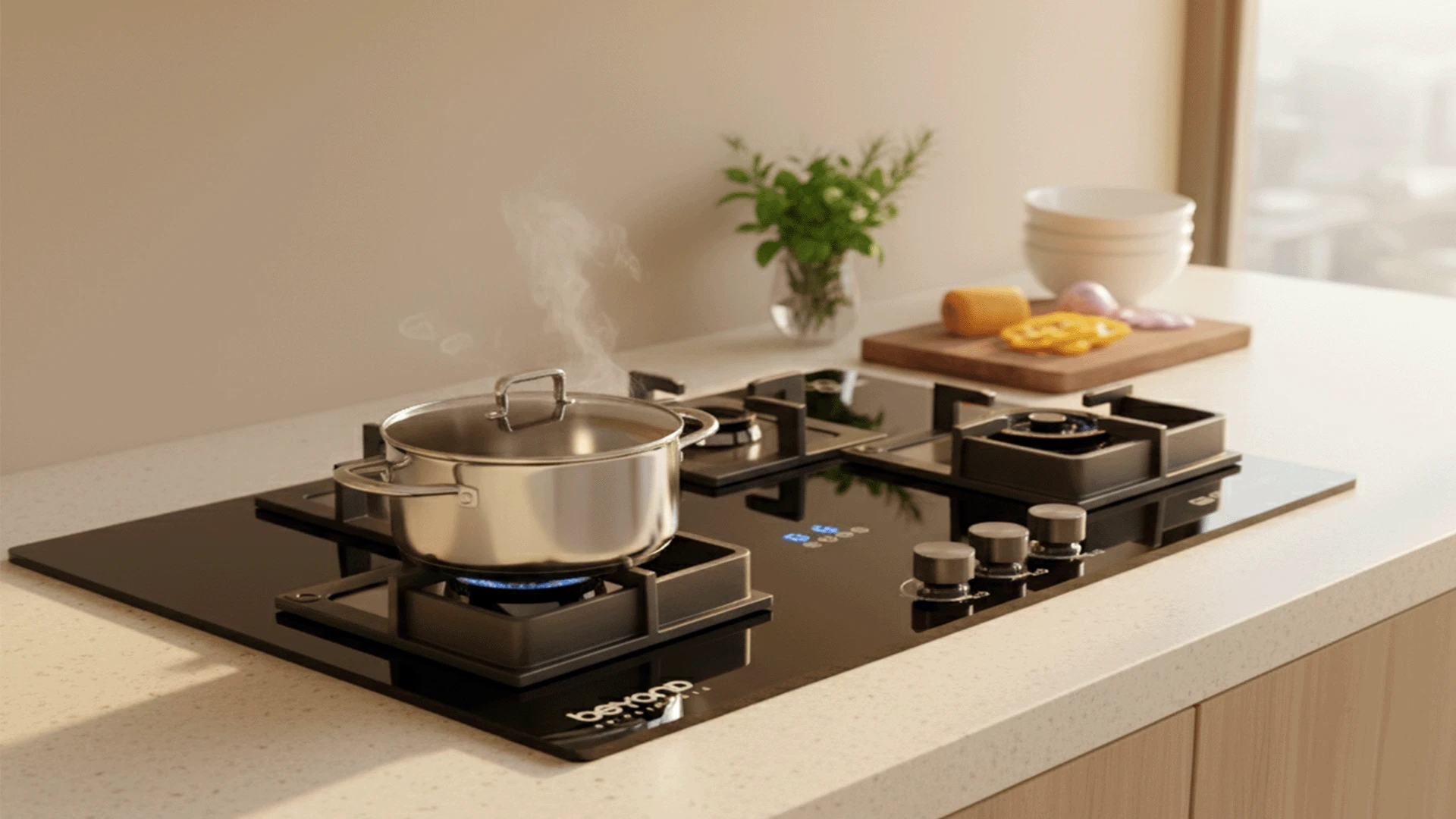
Smart cooking technology has transformed how we prepare meals at home. Modern kitchens now feature intelligent appliances that make cooking easier, safer, and more efficient than ever before. Smart hobs represent one of the most significant advances in cooking technology, offering features that traditional cooktops simply cannot match. These innovative appliances combine precision control, energy efficiency, and connectivity to create a cooking experience that adapts to your lifestyle. Whether you're a busy professional or a passionate home cook, understanding the benefits of smart hobs can help you make informed decisions about upgrading your kitchen.
Smart hobs integrate advanced technology with traditional cooking methods to deliver superior performance. Unlike conventional gas or electric cooktops, these modern appliances feature digital controls, sensors, and connectivity options that enhance every aspect of cooking.
Today's smart hob features include touch controls, temperature sensors, and smartphone connectivity. Many models offer app integration that allows remote monitoring and control. Some advanced units even include voice control compatibility and automatic cooking programs.
The market offers various types of hobs with smart capabilities. Induction models provide the most advanced features, while smart gas hobs combine traditional flame cooking with modern safety systems. Ceramic electric hobs also offer smart functionality at accessible price points.
Modern smart hobs deliver advantages that extend far beyond basic cooking functionality. These benefits transform daily meal preparation into a more enjoyable and efficient experience.
Energy efficient hobs use advanced technology to minimize power consumption while maximizing cooking performance. Induction models transfer heat directly to cookware, reducing energy waste by up to 50% compared to traditional electric cooktops. Smart sensors automatically adjust power levels based on cooking requirements, preventing unnecessary energy use. Precise temperature control eliminates the guesswork that leads to energy waste. Automatic shut-off features ensure hobs don't continue consuming power when cooking is complete. Many users report significant reductions in their monthly electricity bills after switching to smart cooking technology.
Safety represents one of the most compelling advantages of smart hobs. Advanced safety systems include flame failure detection for gas models, which automatically cuts gas supply if flames are extinguished. Child lock functions prevent accidental activation, making kitchens safer for families. Overheating protection monitors surface temperatures and automatically reduces power when necessary. Cookware detection systems ensure induction hobs only activate when appropriate pans are present. Visual indicators clearly show which zones remain hot after cooking, preventing accidental burns.
The benefits of induction cooking include unmatched temperature precision that delivers consistent results. Smart hobs maintain exact temperatures throughout the cooking process, eliminating hot spots and uneven heating. This precision proves especially valuable for delicate techniques like melting chocolate or preparing sauces. Intelligent heat distribution ensures food cooks evenly across the entire cooking surface. Recipe-specific settings automatically adjust temperature and timing for optimal results. This level of control helps home cooks achieve professional-quality results with minimal effort.
Smart cooking extends beyond the kitchen through smartphone integration and remote control features. Many smart hobs connect to home WiFi networks, allowing monitoring and control from anywhere in the house. Cooking notifications alert users when timers expire or temperatures reach target levels. Voice control compatibility with smart home systems enables hands-free operation. Some models integrate with recipe apps that automatically adjust cooking settings based on selected dishes. This connectivity transforms cooking from a hands-on activity into a more flexible and convenient experience.
Modern kitchen appliances like smart hobs include automation features that streamline meal preparation. Pre-programmed cooking modes eliminate guesswork for common tasks like boiling water or searing meat. Digital timers coordinate multiple cooking zones for complex meals. Automatic integration with range hoods adjusts ventilation based on cooking intensity. Multi-zone coordination ensures different components of a meal finish simultaneously. These features reduce active cooking time and allow multitasking during meal preparation.
Advanced cooking technology simplifies appliance maintenance through self-diagnostic features and easy-clean surfaces. Smart hobs monitor their own performance and provide maintenance reminders when cleaning or service is needed. Smooth surfaces on induction and ceramic models wipe clean easily. Troubleshooting assistance through smartphone apps helps resolve minor issues without service calls. Some models include cleaning modes that make maintenance even simpler. These features reduce the time and effort required to keep cooking surfaces in optimal condition.
Investing in smart hobs provides long-term value through software updates and expanding capabilities. Manufacturers regularly release firmware updates that add new features and improve performance. Integration with evolving smart home ecosystems ensures compatibility with future technologies. The resale value of homes with smart appliances continues to increase as buyers seek modern, connected kitchens. This makes smart hobs not just cooking tools but valuable home improvements that enhance property value.
Comparing smart hobs to traditional cooking surfaces reveals significant performance differences across multiple categories. Smart models consistently outperform conventional cooktops in efficiency, safety, and convenience.
Smart induction hobs use approximately 85-90% of generated energy for cooking, while traditional electric coils achieve only 65-70% efficiency. Gas burners typically reach 40-55% efficiency due to heat loss. This translates to substantial savings on utility bills over time.
Traditional cooktops rely on basic safety features like flame failure devices for gas models. Smart hobs include multiple safety layers including automatic shut-off, child locks, and overheat protection. These advanced features significantly reduce accident risks.
Choosing the optimal smart hob requires considering several factors including kitchen layout, cooking habits, and budget constraints. Understanding these considerations ensures you select a model that meets your specific needs.
Larger kitchens can accommodate multi-zone smart hobs with advanced features, while compact spaces may benefit from smaller models with essential smart functions. Consider counter space, ventilation requirements, and electrical capacity when planning installation.
Smart hob prices range from INR 15,000 for basic models to INR 80,000 for premium units with full connectivity features. Consider long-term energy savings and enhanced functionality when evaluating cost versus value. Entry-level smart hobs often provide significant benefits at accessible price points.
Smart appliances offer enhanced control, energy efficiency, safety features, and connectivity that traditional appliances cannot match. They provide convenience through automation and remote control while delivering superior cooking results.
Induction smart hobs require magnetic cookware such as cast iron or stainless steel. Gas and ceramic smart hobs work with most cookware types. Check manufacturer specifications for compatibility requirements.
Smart induction hobs can reduce energy consumption by 25-50% compared to traditional electric cooktops. Actual savings depend on cooking habits and the specific model chosen.
Many smart hobs offer smartphone app control for monitoring and basic functions. However, safety regulations typically prevent remote ignition or high-heat cooking without physical presence.
Smart hobs provide value through energy savings, enhanced safety, and improved cooking results. The investment typically pays for itself through reduced utility bills and increased home value.
Common safety features include automatic shut-off, child locks, overheat protection, cookware detection, and flame failure systems for gas models. These features significantly reduce accident risks.
Smart hobs represent a significant advancement in cooking technology that benefits modern households in multiple ways. From energy efficiency and enhanced safety to precision control and connectivity features, these appliances transform daily cooking experiences. The benefits of smart hobs extend beyond basic functionality to include long-term value through reduced utility bills and increased home value. Whether you prioritize safety, efficiency, or convenience, smart hobs deliver advantages that make them worthwhile investments for contemporary kitchens. Consider your specific needs, kitchen layout, and budget when selecting a model that will serve your household for years to come.
