

7 Smart Chimney Problems You Can't Ignore Today
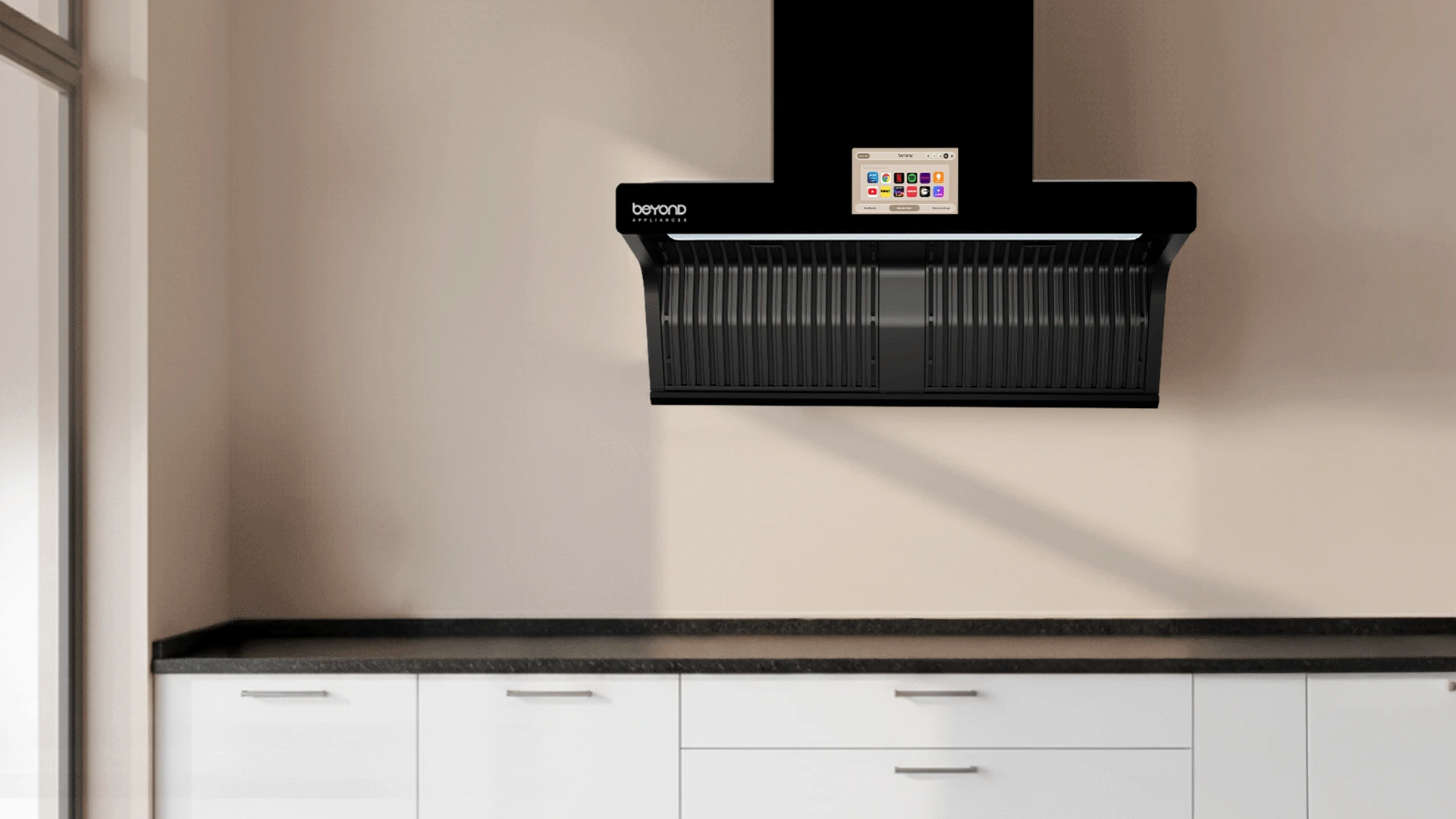
Smart chimneys have revolutionized modern kitchens with their advanced features and sleek designs. However, these sophisticated appliances come with their own set of challenges that traditional chimneys rarely face. While smart chimneys offer convenience and efficiency, they also introduce complex electronic systems that can fail unexpectedly. Understanding these potential problems helps homeowners make informed decisions and maintain their appliances properly. The key is recognizing warning signs early and taking preventive action to avoid costly repairs or complete system failures.
Smart chimneys do face higher failure rates compared to traditional models due to their complex electronic components. The integration of sensors, touch panels, and connectivity features creates multiple points of potential failure. Industry data shows that electronic components in smart appliances typically have a 15-20% higher failure rate within the first five years compared to mechanical systems. The main vulnerability lies in the combination of heat exposure and electronic sensitivity. Smart home chimney systems must operate in high-temperature environments while maintaining precise electronic functions. This creates stress on components that traditional chimneys don't experience. Additionally, the interconnected nature of smart systems means that one component failure can affect multiple functions.
Auto-speed sensors are among the most common failure points in smart chimneys. These sensors detect cooking activity and adjust suction power automatically, but they're sensitive to grease buildup and temperature fluctuations. When sensors malfunction, the chimney may run continuously at high speed or fail to activate when needed. Warning signs include inconsistent speed changes, failure to respond to cooking activity, or the chimney running at maximum speed regardless of cooking intensity. Grease accumulation on sensor surfaces is the primary cause of these electronic chimney faults. Regular cleaning around sensor areas and professional calibration can prevent most sensor-related issues.
Sensor failures directly affect cooking comfort and energy consumption. A malfunctioning sensor may cause inadequate smoke removal or excessive noise from constant high-speed operation.
Sensor replacement typically costs between INR 3,000 to INR 8,000, depending on the chimney model and sensor complexity.
Touch panels are vulnerable to moisture, grease, and heat damage. These modern chimney problems manifest as unresponsive controls, ghost touches, or complete panel failure. The capacitive touch technology used in most smart chimneys can degrade over time, especially in kitchen environments with high humidity and temperature variations. Software glitches and firmware issues also contribute to control system problems. These smart appliance repair needs often require professional diagnosis to determine whether the issue is hardware or software-related. Some problems can be resolved through firmware updates, while others require complete panel replacement.
Frequent problems include delayed response times, incorrect function activation, and display dimming or flickering.
Regular cleaning with appropriate cleaners and avoiding excessive moisture exposure can extend touch panel life significantly.
Smart chimney motors incorporate advanced technology for variable speed control and energy efficiency. However, this complexity can lead to cooking appliance failure when electronic motor controllers malfunction. Unlike traditional motors with simple on/off operation, smart motors rely on electronic speed controllers that can fail due to power fluctuations or component aging. Signs of motor deterioration include reduced suction power, unusual noises, vibrations, or inconsistent speed control. The chimney lifespan for smart motors averages 8-12 years with proper maintenance, compared to 15-20 years for traditional motors. However, smart motors offer better energy efficiency and quieter operation when functioning properly.
Regular performance checks help identify declining motor efficiency before complete failure occurs.
Smart motors require more frequent professional servicing to maintain optimal performance and prevent premature failure.
Smart chimneys often feature auto-clean functions that use heat or other mechanisms to reduce filter maintenance. However, these systems can malfunction, leading to accelerated filter clogging and reduced efficiency. When auto-clean systems fail, users may not realize the increased chimney maintenance requirements until performance degrades significantly. Filter technology in smart chimneys is often more sophisticated but also more expensive to replace. Some models use specialized filters that cost significantly more than traditional baffle filters. The efficient chimney issues related to filter problems can affect air quality and cooking comfort throughout the kitchen.
Common failures include heating element burnout, timer malfunctions, and sensor errors that prevent proper cleaning cycles.
Smart chimney filters can cost between INR 2,000 to INR 10,000, depending on the technology and brand.
Wi-Fi connectivity problems plague many smart home chimney systems. Network connectivity issues can prevent remote control, monitoring, and integration with other smart appliances. App-based control failures are particularly frustrating when users cannot operate their chimney remotely or receive maintenance notifications. Smart home ecosystem compatibility issues arise when chimney systems don't integrate properly with existing home automation platforms. These electronic chimney faults can limit functionality and reduce the value proposition of smart features. Regular software updates and network maintenance help prevent many connectivity-related problems.
Stable Wi-Fi coverage in the kitchen area is essential for reliable smart chimney operation.
Basic troubleshooting includes router resets, app updates, and network reconnection procedures.
LED lighting systems in smart chimneys can fail due to heat exposure, power fluctuations, or component aging. These modern chimney problems affect both functionality and aesthetics. LED strips may develop dead zones, color inconsistencies, or complete failure. Display screens can suffer from pixel degradation, backlight failure, or touch sensitivity issues. Replacement costs for LED systems vary widely, from INR 1,500 for simple strips to INR 8,000 for complex display units. The decision between repair and replacement depends on the extent of damage and the age of the chimney. Professional smart appliance repair services can often replace individual components rather than entire lighting systems.
LEDs typically dim gradually over time, with noticeable reduction in brightness after 3-5 years of regular use.
Touch screen displays may develop dead pixels, response delays, or complete failure requiring professional replacement.
Heat damage represents one of the most serious cooking chimney failure risks for smart models. Electronic components are sensitive to temperature extremes, and kitchen environments can exceed safe operating temperatures for delicate circuits. Thermal stress affects circuit boards, sensors, and control modules, leading to premature failure. Protection mechanisms like heat shields and thermal sensors help but cannot eliminate all risks. Long-term durability concerns focus on the cumulative effect of repeated heating and cooling cycles on electronic components. Proper installation with adequate ventilation and heat protection significantly extends chimney lifespan.
Most smart chimneys include thermal cutoff switches and heat shields to protect sensitive components.
Proper clearance from heat sources and adequate ventilation are crucial for preventing heat-related damage.
Regular chimney maintenance is crucial for smart models due to their complex systems. Monthly cleaning of filters, sensors, and control panels prevents many common problems. Professional servicing every six months helps identify potential issues before they become costly repairs. This proactive approach significantly extends chimney lifespan and maintains optimal performance. Essential maintenance tasks include cleaning grease buildup from sensors, updating firmware, checking electrical connections, and testing all smart functions. Users should monitor performance indicators like suction power, noise levels, and response times to detect early signs of problems. Professional technicians can perform comprehensive diagnostics and calibration that aren't possible with DIY maintenance.
Regular cleaning of visible components and testing of all functions helps prevent major issues.
Bi-annual professional maintenance includes electrical testing, sensor calibration, and software updates.
Smart chimneys generally last 8-12 years with proper maintenance, compared to 15-20 years for traditional models. The electronic components are the limiting factor in chimney lifespan.
Motor replacement and control board failures are typically the costliest repairs, ranging from INR 8,000 to INR 25,000 depending on the model and complexity.
Many smart chimney problems can be prevented through regular maintenance, proper installation, and avoiding exposure to excessive heat and moisture.
Smart chimneys offer significant convenience and efficiency benefits that often justify the higher maintenance requirements and potential repair costs for many homeowners.
Warning signs include reduced suction power, unresponsive controls, unusual noises, error messages, or failure of smart features like auto-speed detection.
Most smart chimneys come with 2-5 year warranties covering major components, with extended warranty options available for additional coverage.
Smart chimneys offer advanced features and convenience but require more attention than traditional models. The seven problems outlined here represent the most common issues homeowners face. Regular maintenance, proper installation, and early problem detection are essential for maximizing your investment. While smart chimney problems can be more complex and expensive to repair, understanding these issues helps you make informed decisions about purchase, maintenance, and repair. The key is balancing the benefits of smart features against the additional maintenance requirements and potential repair costs.
