

7 Pro Tips: Prevent Food Spills on Your Hob
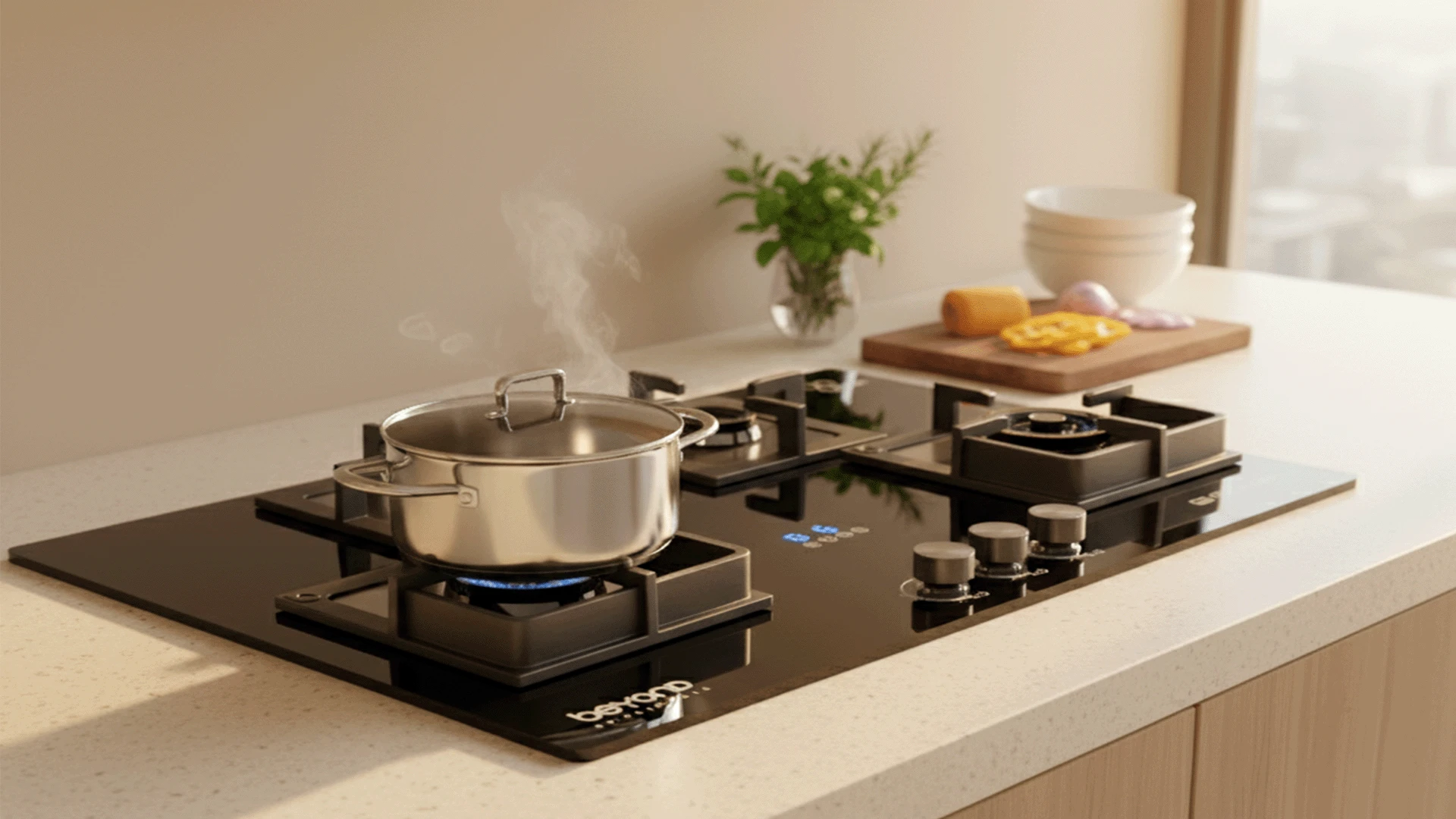
Food spills on your hob can turn cooking from a joy into a nightmare. Whether it's oil splattering from a hot pan or sauce bubbling over, these accidents don't just create mess—they can permanently damage your cooking surface. Learning how to avoid food spills damaging the hob isn't just about cleanliness; it's about protecting your investment and maintaining a kitchen that works efficiently for years to come. The good news? With the right techniques and habits, you can dramatically reduce spills and keep your hob looking pristine.
Most home cooks underestimate the true cost of food spills on their cooking surfaces. Beyond the obvious cleaning hassle, spills can cause permanent staining, scratching, and even electrical damage that affects your hob's performance. Hob spill prevention saves you from costly repairs and replacements down the line. Food spills create multiple problems for your cooking surface. Acidic foods like tomatoes can etch glass and ceramic surfaces, while sugary spills can burn and create stubborn stains. Oil splatters not only stain but can also affect the heat distribution of your hob. These issues compound over time, reducing your appliance's efficiency and lifespan. Effective hob maintenance tips focus on prevention rather than damage control, which is always more expensive and time-consuming.
Different hob types require specific approaches to cooktop spill protection. Understanding your cooking surface helps you choose the right prevention strategies and cleaning methods.
Gas hobs have unique challenges with their burner grates and drip pans. Spills can clog burner ports and create uneven flames. Focus on using appropriately sized pans and keeping burner areas clear.
Electric coil hobs can trap spills in hard-to-reach areas. Spills that reach heating elements can burn and create smoke. Always ensure pans are stable and use drip pans when cooking messy foods.
Induction surfaces are easier to clean but can scratch from sliding pans. Sugar-based spills can damage the glass surface if not cleaned immediately while the surface is still warm.
Ceramic glass surfaces show every mark and can crack from thermal shock. Avoid dragging cookware and clean spills promptly to prevent permanent staining.
Temperature control is the foundation of smart cooking techniques that prevent spills. Most food splattering happens because of excessive heat that causes rapid bubbling and violent reactions in cooking oils and liquids. Start cooking at medium heat and adjust gradually. High heat might seem faster, but it often leads to uneven cooking and dangerous splattering. For frying, heat oil slowly to the right temperature—you'll know it's ready when a small piece of food sizzles gently when added. This approach gives you better control and significantly reduces the chance of oil jumping out of the pan.
Your cookware choices directly impact kitchen spill solutions and overall cooking success. The right pans and accessories create natural barriers against spills.
Use pans that are appropriately sized for your food quantity. Fill pans only two-thirds full to allow room for bubbling and stirring without overflow.
Partially covered pans reduce splattering while allowing steam to escape. Tilt lids away from you when removing to avoid steam burns and condensation drips.
Non-stick surfaces require less oil, reducing splatter potential. However, they need lower temperatures, which naturally creates gentler cooking conditions.
Invest in quality splatter screens for frying and sautéing. These simple tools prevent food splatters while maintaining proper heat circulation.
Proper food preparation is crucial for efficient cooking habits that minimize mess. Wet ingredients are the primary culprits behind dangerous splattering when they meet hot oil. Pat proteins dry with paper towels before cooking, especially when frying or searing. Remove excess moisture from vegetables by salting them briefly and patting dry. This simple step dramatically reduces the violent reaction that causes oil to jump from pans. When adding ingredients to hot pans, do so gently and away from your body to avoid splatter burns.
These advanced techniques combine multiple hob maintenance tips for comprehensive spill prevention.
Place a large cutting board or tray next to your hob to catch minor spills before they reach the surface. Use aluminum foil around burners when cooking particularly messy foods.
Stir foods away from yourself and use long-handled utensils. When flipping foods, use a gentle motion rather than aggressive flipping that can cause splattering.
Keep a damp cloth nearby for immediate cleanup of small spills. Address spills while cooking rather than letting them accumulate and harden.
Clean your hob while it's still slightly warm for easier removal of cooking residue. This prevents buildup that makes future cleaning more difficult.
Even with the best prevention strategies, spills happen. Knowing how to respond quickly minimizes damage and makes cleaning hob spills more manageable.
Turn off heat sources immediately and move hot cookware to a safe location. Never attempt to clean electrical surfaces while they're still powered on.
For glass and ceramic surfaces, use a specialized scraper while the surface is still warm. This prevents spills from hardening and becoming more difficult to remove.
Different spills require different approaches. Sugar-based spills need immediate attention, while protein spills can often wait until the surface cools.
Some spills, particularly those involving electrical components or severe scratching, require professional assessment to prevent further damage.
Deep clean your hob weekly with appropriate cleaners for your surface type. Daily wipe-downs after cooking prevent buildup that leads to permanent staining.
Baking soda and white vinegar work well for most spills. Avoid abrasive materials like steel wool that can scratch surfaces.
Yes, acidic foods and sugar-based spills can cause permanent etching or staining if not cleaned promptly. Prevention is always better than repair.
Refined oils with higher smoke points like avocado or grapeseed oil splatter less and clean more easily than butter or olive oil.
Use splatter screens, start with lower heat, and consider using the oven method for bacon to avoid stovetop mess entirely.
Using the wrong cleaning products for their hob type or letting spills cool and harden before attempting cleanup.
Protecting your hob from food spills requires a combination of proper technique, the right tools, and consistent habits. By implementing these seven pro tips, you'll not only keep your cooking surface pristine but also extend its lifespan and maintain optimal performance. Remember that cooktop stain removal is always more challenging than prevention, so focus your efforts on developing spill-prevention habits rather than dealing with damage after it occurs. With practice, these techniques become second nature, making your cooking experience more enjoyable and your kitchen maintenance much easier.
