

7 Pro Tips for Pristine Glass Cooktop Care
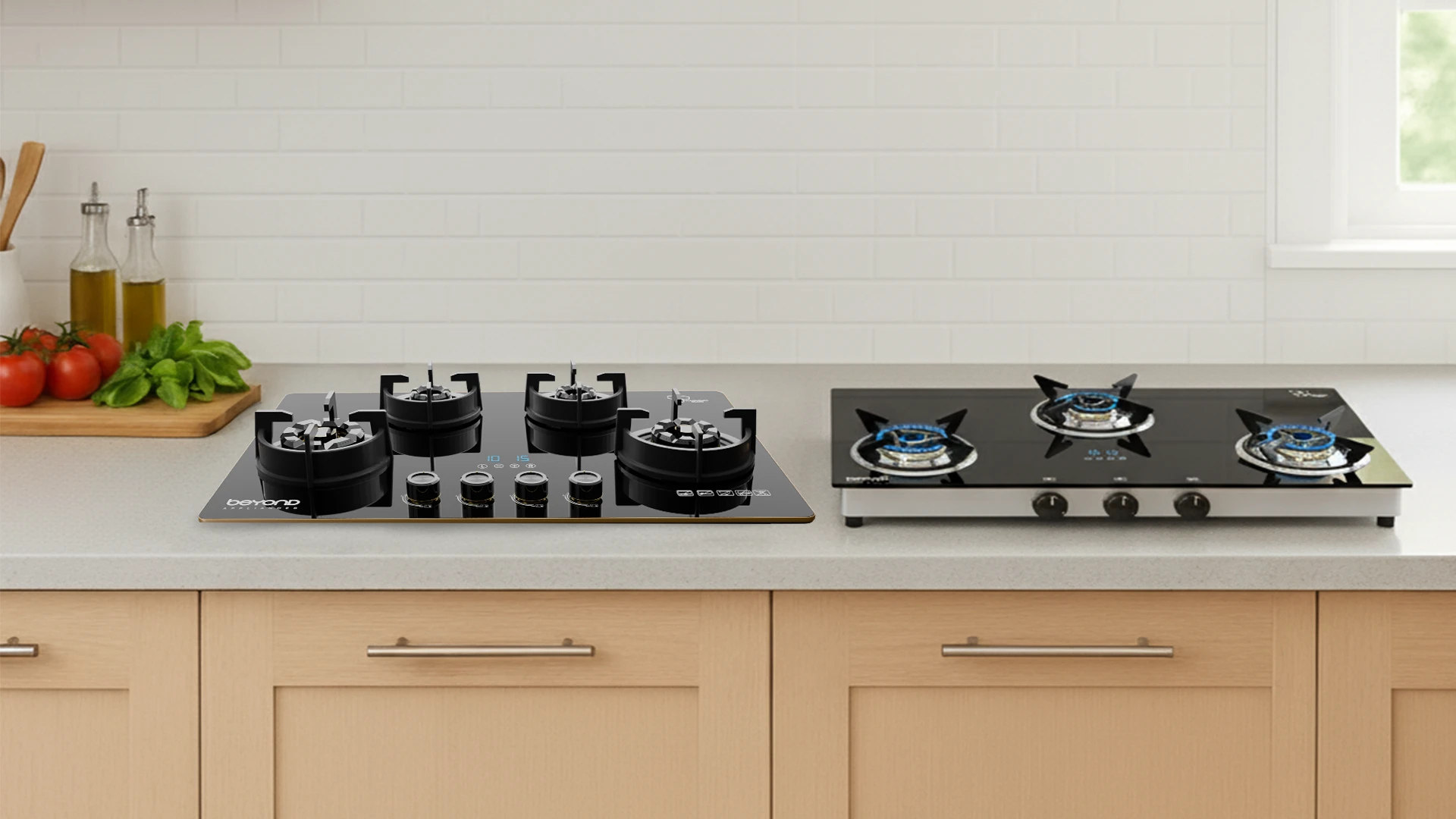
Glass cooktops have revolutionized modern kitchens with their sleek appearance and efficient cooking performance. However, maintaining that pristine, mirror-like finish requires specific care techniques that many homeowners overlook. Unlike traditional gas burners, glass surfaces demand gentle yet effective cleaning methods to preserve their functionality and aesthetic appeal. Understanding proper cooktop glass care tips ensures your investment remains beautiful and performs optimally for years. Whether you own an induction, electric, or ceramic glass cooktop, these professional maintenance strategies will help you achieve restaurant-quality cleanliness while preventing costly damage and extending your appliance's lifespan.
Daily cooktop maintenance forms the foundation of pristine glass cooktop care. The key to effortless cleaning lies in establishing consistent habits that prevent buildup and damage before they occur. Always allow your cooktop to cool completely before attempting any cleaning. Hot surfaces can cause cleaning products to streak or even crack the glass. Wait at least 30 minutes after cooking to ensure safe handling temperatures.
Address spills immediately while they're still warm but not burning hot. Use a damp cloth to gently wipe away liquids before they have time to bake onto the surface. For sticky substances like sugar or syrup, remove them quickly as they can permanently damage the glass when heated.
Perform a gentle daily cleaning using a microfiber cloth and warm water. This simple routine prevents grease accumulation and maintains the cooktop's reflective finish. Dry the surface thoroughly to prevent water spots and mineral deposits.
Mastering how to clean glass cooktop surfaces requires a systematic approach that ensures thorough cleaning without causing scratches or damage. This professional method delivers consistently excellent results. Begin by removing any loose debris using a soft brush or cloth. Never use abrasive materials that could scratch the delicate surface. Ensure the cooktop is completely cool before starting the cleaning process.
First, apply a specialized glass cooktop cleaner evenly across the surface. Allow the product to sit for the recommended time to break down stubborn residue. Second, use a non-abrasive sponge to gently work the cleaner in circular motions. Third, remove burnt-on food with a razor blade scraper held at a 45-degree angle. Fourth, wipe away all cleaner residue with a damp microfiber cloth. Finally, polish the surface dry using a clean, lint-free cloth for a streak-free finish.
Never clean a hot cooktop as this can cause thermal shock and cracking. Room temperature cleaning ensures optimal product performance and prevents safety hazards. Always work in well-ventilated areas when using commercial cleaners.
Choosing the right best cooktop cleaner depends on your specific needs, budget, and cleaning preferences. Both commercial and homemade solutions offer distinct advantages for different cleaning scenarios. Commercial cleaners are specifically formulated for glass surfaces and often provide superior results for tough stains. They typically contain specialized ingredients that break down grease and food residue without damaging the glass. Professional-grade products also offer convenience and consistent performance.
Create an effective homemade cleaner by mixing equal parts white vinegar and water in a spray bottle. For tougher stains, make a paste using baking soda and water. These natural alternatives are cost-effective and environmentally friendly while delivering excellent cleaning results.
Use commercial cleaners for heavily soiled surfaces or when dealing with burnt-on food. DIY solutions work best for routine maintenance and light cleaning tasks. Consider your cooktop's warranty requirements when selecting cleaning products.
Preventing scratches requires careful attention to cookware selection and cooking techniques. Understanding proper cooktop cleaning tips includes knowing how to protect the surface during daily use. Choose cookware with smooth, flat bottoms that distribute heat evenly. Avoid cast iron, stoneware, or any pots with rough or damaged bottoms that could scratch the glass surface. Lightweight stainless steel and aluminum cookware provide excellent results without risking damage.
Always lift cookware rather than sliding it across the surface. Dragging pots and pans creates microscopic scratches that accumulate over time, dulling the cooktop's appearance. Train all family members to use proper lifting techniques.
Consider using cooktop protectors or trivets when placing hot items on the surface. Regular inspection helps identify potential issues before they become serious problems. Check for chips or cracks that could worsen with continued use.
Easy cooktop cleaning becomes challenging when dealing with burnt-on food or persistent stains. These advanced techniques restore your cooktop's original beauty without causing damage. For burnt-on food, use a razor blade scraper specifically designed for glass surfaces. Hold the blade at a 45-degree angle and gently scrape in one direction. Never use back-and-forth motions that could create scratches.
Remove cloudiness by applying a specialized glass polish in circular motions. Heat stains often respond well to a paste made from baking soda and water. Allow the paste to sit for 15 minutes before gently scrubbing with a soft cloth.
For severe staining, consider using automotive glass polish applied with a microfiber cloth. This method requires patience but can restore heavily damaged surfaces to near-original condition.
Induction cooktop cleaning and ceramic cooktop care require slightly different approaches based on the underlying technology. Understanding these differences ensures optimal maintenance for your specific appliance type. Induction cooktops generate heat through magnetic fields, making them more sensitive to certain cleaning products. Avoid cleaners containing ammonia or bleach that could interfere with the magnetic components.
Electric glass cooktops can handle slightly more aggressive cleaning due to their heating element design. Ceramic surfaces require gentler treatment to preserve their specialized coating. Always consult your owner's manual for manufacturer-specific recommendations.
Induction models benefit from regular cleaning of the cooling vents to maintain optimal performance. Electric cooktops may require periodic deep cleaning of the heating elements beneath the glass surface.
Use a damp microfiber cloth with warm water for daily cleaning. Wipe the surface gently in circular motions, then dry thoroughly with a clean cloth to prevent water spots.
Yes, white vinegar mixed with equal parts water creates an effective natural cleaner. Spray the solution on the cool surface, let it sit for a few minutes, then wipe clean with a microfiber cloth.
Minor scratches may be reduced using automotive glass polish applied with a soft cloth. Deep scratches typically require professional repair or replacement of the glass surface.
Avoid cast iron, stoneware, and any cookware with rough or damaged bottoms. Choose smooth, flat-bottomed pots and pans made from stainless steel or aluminum.
Perform a thorough deep cleaning weekly or whenever you notice buildup. Daily maintenance reduces the need for intensive cleaning sessions.
Yes, but only use razor blade scrapers specifically designed for glass cooktops. Hold the blade at a 45-degree angle and scrape in one direction to remove burnt-on food safely.
Maintaining a pristine glass cooktop requires consistent daily care combined with proper cleaning techniques and quality products. The investment in proper maintenance pays dividends through extended appliance life, optimal performance, and continued aesthetic appeal. Remember that prevention through careful cooking habits and immediate spill cleanup significantly reduces the need for intensive cleaning sessions. By following these professional tips and establishing good maintenance routines, your glass cooktop will continue to enhance your kitchen's beauty and functionality for years to come.
