

7 Pro Tips: Flame Control for Perfect Dosa
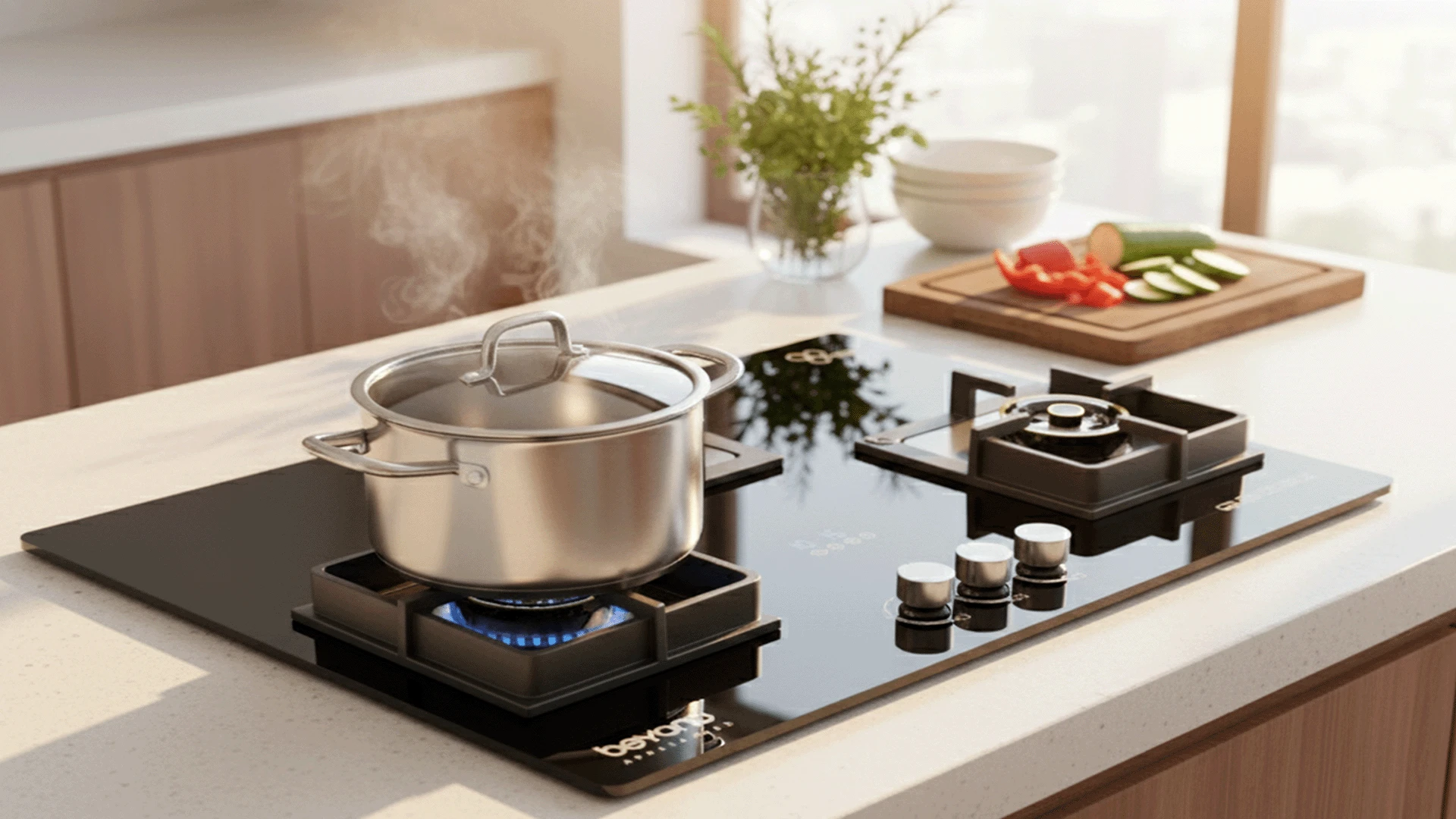
Making perfect dosas requires more than just good batter and the right pan. The secret lies in mastering flame control techniques that ensure even cooking, crispy texture, and that beautiful golden-brown color we all love. Whether you're using a traditional cast iron dosa pan or a modern non-stick surface, understanding how to manage heat distribution can transform your dosa-making experience. Professional chefs know that the best flame control for dosa making involves precise temperature management throughout different cooking stages. With the right approach, you can achieve restaurant-quality results in your own kitchen every time.
The science behind perfect dosas starts with understanding heat distribution and how it affects batter behavior. When you pour dosa batter onto a hot surface, the immediate contact creates steam that helps spread the batter evenly. However, if the temperature is too high, the batter sets too quickly, preventing proper spreading and creating thick, uneven dosas. Improper flame control leads to several common problems. Burnt edges with raw centers occur when heat concentration is uneven. Thick, chewy dosas result from insufficient heat that doesn't create the necessary steam for thin spreading. Conversely, excessive heat can cause the batter to bubble aggressively, creating holes and uneven texture. The key to mastering dosa cooking tips lies in understanding that different cooking stages require different heat levels. Initial batter pouring needs moderate heat for proper spreading, while the cooking phase benefits from consistent medium heat, and the final crisping stage may require slight heat adjustments for optimal texture.
Your choice of cookware significantly impacts flame control requirements and cooking results. Different materials respond differently to heat changes and require specific temperature management approaches.
A cast iron dosa pan offers superior heat retention and even heat distribution dosa cooking. Cast iron heats slowly but maintains temperature consistently, making it ideal for beginners learning flame control. Once properly heated, cast iron requires minimal flame adjustments during cooking. The material's thermal mass helps prevent sudden temperature spikes that can ruin dosa texture.
A non-stick dosa pan heats quickly and requires more careful flame management due to its sensitivity to temperature changes. These pans work best with medium to medium-low heat settings. The non-stick coating can be damaged by excessive heat, so maintaining proper dosa making temperature is crucial for both cooking results and pan longevity.
Mastering these proven flame control techniques will elevate your dosa-making skills and ensure consistent results every time you cook.
Start with medium-high heat to properly preheat your pan, then reduce to medium-low once you begin cooking. This technique ensures the pan reaches optimal temperature for batter spreading while preventing overcooking during the actual cooking process. The initial higher heat creates the right surface conditions, while the reduced heat allows for controlled cooking and crisping.
Before pouring batter, test your pan temperature by sprinkling a few water droplets on the surface. If they sizzle and evaporate within 2-3 seconds, your pan is ready. If water droplets dance and take longer to evaporate, increase heat slightly. If they evaporate instantly with aggressive sizzling, reduce heat and wait for the pan to cool slightly.
Most cooking surfaces have hot spots that can cause uneven browning. Identify these areas during preheating and adjust your batter pouring technique accordingly. Start pouring from the center and work outward in a spiral motion, spending less time over hot spots to ensure uniform thickness and cooking.
Different cooking phases require specific flame settings. During batter pouring, maintain medium heat for optimal spreading. Once the batter is spread, reduce to medium-low for even cooking. For the final crisping stage, you may increase heat slightly for 30-60 seconds to achieve the desired golden color and crispy texture.
Gas burners offer immediate heat control, making them ideal for smart cooking dosa techniques. Electric cooktops require more planning due to slower heat response. With electric stoves, make heat adjustments earlier and allow time for temperature changes to take effect.
Gently lift one edge of the dosa after 2-3 minutes to check doneness. The bottom should be golden brown with crispy edges. If it's pale, increase heat slightly. If it's dark brown or burnt, reduce heat for subsequent dosas. This technique helps you fine-tune your flame control for perfect results.
If your pan becomes too hot, remove it from heat for 30-60 seconds while keeping the flame low. For underheated pans, increase flame gradually rather than making sudden adjustments. These recovery methods help maintain consistent cooking conditions throughout your dosa-making session.
Dosa batter consistency plays a crucial role in how it responds to heat and flame control. Proper fermentation creates the right texture and gas bubbles that help with even spreading and cooking. Well-fermented batter spreads more easily at moderate temperatures, reducing the need for high heat that can cause burning. The ideal consistency should coat the back of a spoon but flow freely when poured. Adjust thickness with small amounts of water if needed, keeping in mind that thinner batter requires slightly lower heat to prevent burning. Batter temperature also affects cooking requirements. Room temperature batter spreads better than cold batter, requiring less heat for optimal results. If using refrigerated batter, allow it to come to room temperature or use slightly higher heat initially, then adjust as the batter warms up.
Today's smart cooking dosa techniques incorporate technology for better temperature control and consistency. Induction cooktops offer precise heat control with immediate response to adjustments. Many modern gas stoves feature flame control technology that maintains consistent heat output. Digital thermometers can help you monitor pan surface temperature, especially when learning proper heat levels. Infrared thermometers provide instant readings without touching the cooking surface, helping you maintain optimal dosa making temperature throughout the cooking process. Some advanced cooktops feature temperature sensors that automatically adjust flame intensity to maintain consistent heat levels. These technologies make achieving perfect flame control easier, especially for beginners learning dosa cooking methods.
The optimal pan temperature for dosa making is around 180-200°C (350-400°F). This temperature allows proper batter spreading while ensuring even cooking without burning.
If water droplets evaporate instantly with aggressive bubbling, or if batter sizzles violently when poured, your pan is too hot. Reduce heat and allow cooling before proceeding.
Yes, electric stoves can produce excellent dosas with proper technique. Use medium heat settings and allow extra time for temperature adjustments due to slower heat response.
This indicates excessive heat that cooks the surface too quickly. Reduce flame intensity and ensure even heat distribution across the pan surface.
Preheat for 3-5 minutes on medium heat. Cast iron pans may need slightly longer, while non-stick pans heat faster and require less preheating time.
Mastering the best flame control for dosa making requires understanding your equipment, batter consistency, and proper temperature management throughout the cooking process. The seven professional techniques outlined here provide a comprehensive approach to achieving consistent, restaurant-quality results. Remember that practice makes perfect, and each cooking session offers opportunities to refine your flame control skills. With proper technique and attention to temperature management, you'll soon be creating crispy, golden dosas that rival those from your favorite restaurant.
