

7 Groundbreaking Advances in Ignition Technology
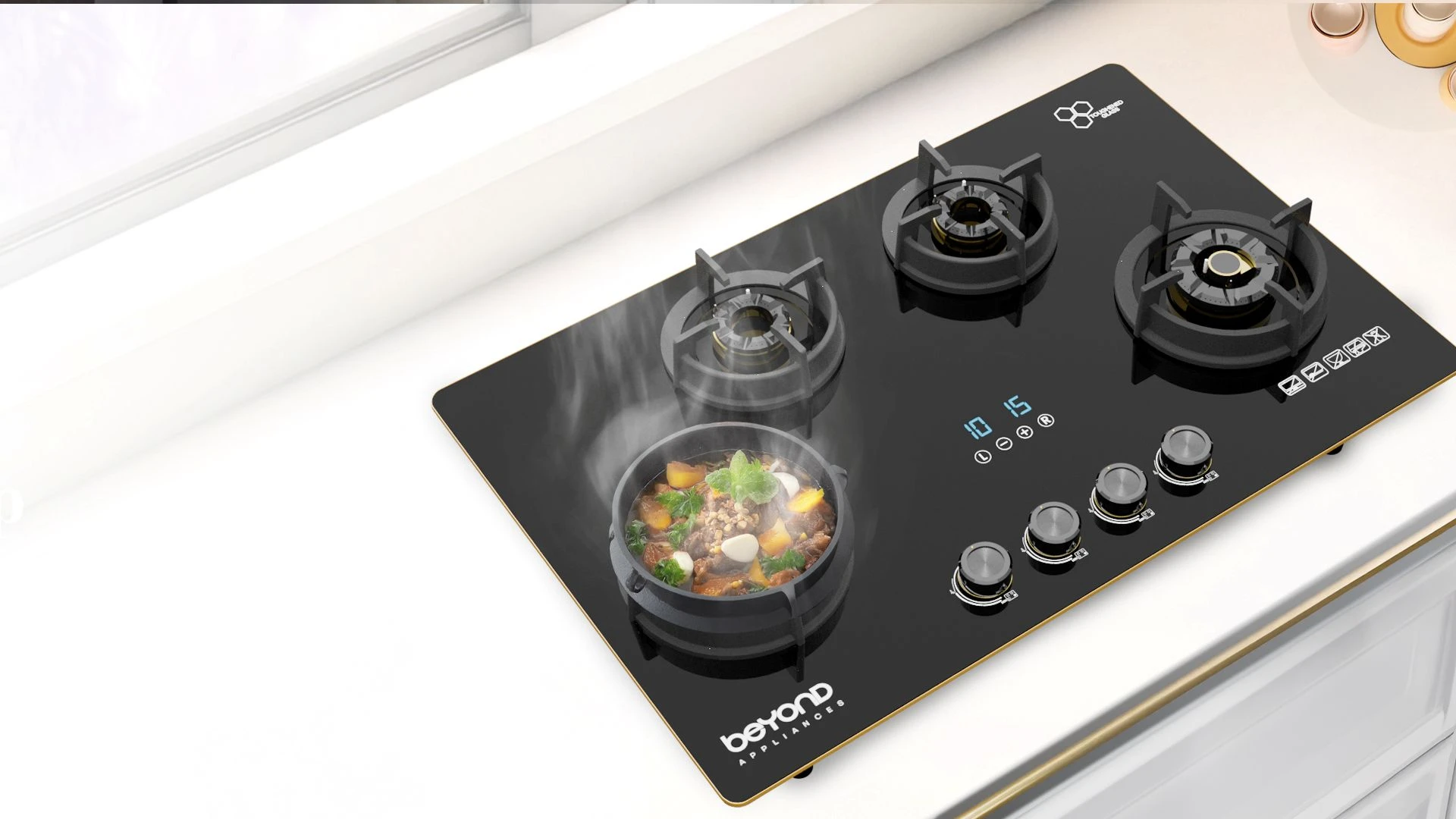
Modern kitchens demand more than just basic cooking appliances. The advances in ignition technology have revolutionized how we cook, making our kitchen experiences safer, more efficient, and remarkably convenient. From the simple match-lit gas stoves of the past to today's sophisticated electronic ignition systems, the journey has been remarkable. These innovations directly impact your daily cooking experience, whether you're using gas stoves, cooktops, or hobtops. Understanding these technological breakthroughs helps you make informed decisions about your kitchen appliances and appreciate the engineering marvels that make modern cooking possible.
Pre-chamber ignition systems represent a significant leap in combustion technology. These systems create a small combustion chamber where the initial flame starts before spreading to the main burner area.
The system uses a tiny chamber with a rich fuel mixture that ignites easily. This creates a powerful flame jet that spreads to the main cooking area. The result is faster, more reliable ignition even in challenging conditions.
Pre-chamber technology offers instant lighting, reduced gas consumption, and consistent flame quality. Your cooktop responds immediately when you turn the knob, eliminating delays and ensuring perfect cooking control every time.
The evolution from manual lighting to electronic ignition systems has transformed kitchen safety and convenience. Modern gas stoves and hobtops now feature sophisticated ignition units that deliver precise, reliable sparks.
High-energy discharge technology creates powerful sparks that ignite gas mixtures instantly. These systems work reliably even when burner components are slightly wet or dirty, ensuring consistent performance.
Electronic systems include safety mechanisms that prevent gas flow without proper ignition. This ignition control technology significantly reduces the risk of gas leaks and accidents in your kitchen.
Direct ignition technology has revolutionized how gas reaches the flame point. This approach delivers fuel directly to the ignition source, creating more efficient and controllable combustion.
Direct injection systems control exactly how much gas reaches the ignition point. This precision improves fuel ignition efficiency and reduces waste, making your cooking more economical.
With direct injection, you get better flame adjustment and more responsive cooking control. The system adapts quickly to your cooking needs, whether you're simmering delicate sauces or searing at high heat.
Modern ignition systems benefit from revolutionary materials and design improvements. These advances make ignition components more durable and effective than ever before.
New electrode materials resist corrosion and maintain spark quality longer. These materials handle high temperatures and frequent use without degrading, ensuring consistent performance over years of cooking.
Advanced designs feature multiple ignition points around each burner. This creates more reliable lighting and better flame distribution across your cooking surface.
Smart ignition control systems adapt to cooking conditions automatically. These systems monitor gas flow, air mixture, and environmental factors to optimize ignition timing.
Intelligent systems adjust ignition timing based on gas pressure and ambient conditions. This prevents auto ignition problems and ensures safe, reliable operation regardless of external factors.
Smart ignition systems work seamlessly with other appliance features. They coordinate with safety systems, flame sensors, and cooking timers to create a fully integrated cooking experience.
Cutting-edge flame ignition methods go beyond traditional spark systems. Plasma and laser technologies represent the future of cooking appliance ignition.
Plasma ignition creates extremely hot, focused flames that light gas mixtures instantly. This technology works effectively with various gas types and mixture ratios, providing ultimate flexibility.
Laser ignition systems offer precise control over ignition location and timing. While still emerging, this technology promises even greater efficiency and control for future cooking appliances.
Modern combustion technology focuses on maximizing efficiency while minimizing emissions. These advances benefit both your cooking performance and environmental impact.
Advanced systems ensure complete gas combustion, reducing waste and improving heat output. This means faster cooking times and lower gas consumption for your daily meal preparation.
New ignition methods produce cleaner combustion with fewer harmful emissions. This creates a healthier cooking environment while supporting environmental sustainability goals.
High-energy systems create stronger, more reliable sparks that ignite gas mixtures faster and more consistently. They work better in humid conditions and with slightly dirty burner components.
Pre-chamber systems create a controlled ignition environment that spreads flame more evenly and quickly. This results in faster lighting, better flame distribution, and reduced gas consumption.
Electronic ignition offers instant lighting, improved safety features, and consistent performance. Unlike mechanical systems, they don't require manual operation and include automatic safety shutoffs.
Electronic ignition suits most home cooking applications, while high-energy systems excel in commercial or high-demand environments. Pre-chamber technology works well for precise cooking control.
Modern systems use durable materials and self-cleaning designs that resist buildup and corrosion. This extends component life and reduces the need for frequent cleaning or replacement.
The advances in ignition technology have transformed modern cooking from a basic necessity into a precise, efficient, and safe experience. Whether you're choosing a new gas stove, cooktop, or hobtop, understanding these innovations helps you select appliances that offer the best performance and reliability. Electronic ignition systems provide the foundation for safe, convenient cooking, while emerging technologies promise even greater efficiency and control. These technological improvements make cooking more enjoyable while supporting energy conservation and environmental responsibility. As ignition technology continues evolving, home cooks benefit from increasingly sophisticated, reliable, and efficient appliances that enhance their culinary experiences.
