

7 Burner Ring Designs That Transform Cooking Tech
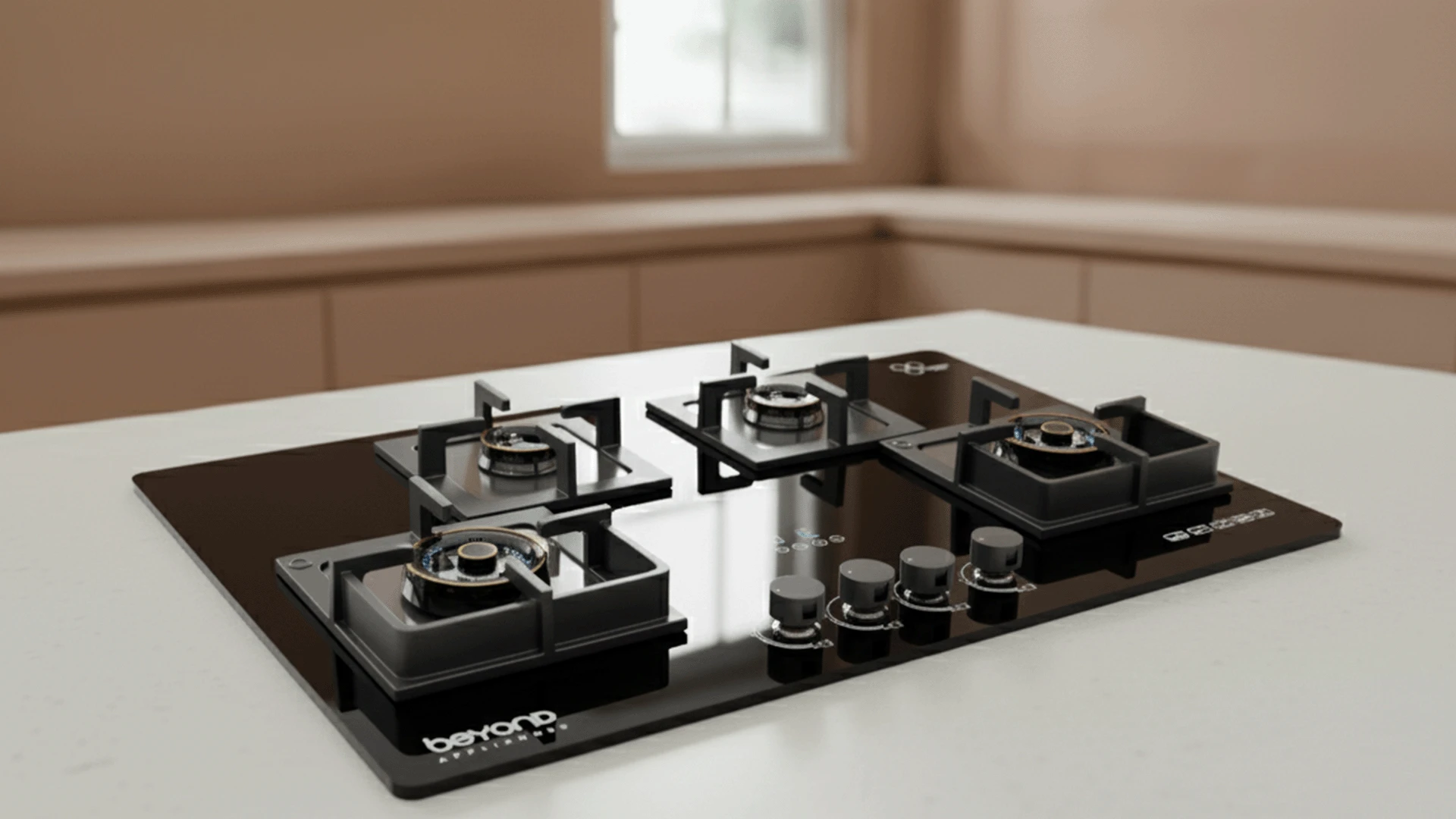
Modern kitchens demand more than just basic cooking equipment. The heart of any gas stove lies in its burner ring design, which directly impacts cooking efficiency, heat distribution, and overall kitchen performance. Understanding burner ring design differences explained can transform your cooking experience from ordinary to extraordinary. Whether you're simmering delicate sauces or searing steaks at high heat, the right burner configuration makes all the difference. Today's advanced burner technology offers multiple ring patterns that cater to different cooking styles and needs.
Burner ring design differences explained start with understanding how flame patterns affect cooking performance. The arrangement of gas outlets in circular patterns determines heat distribution across your cookware. Single, double, and triple ring configurations each serve specific purposes in modern kitchens. The science behind effective burner design involves precise gas flow control and optimal air-to-fuel ratios. When gas exits through strategically placed holes in the burner ring, it creates consistent flame patterns that ensure even heating. This technology directly impacts gas stove efficiency and cooking precision. Modern stove burner anatomy includes brass or cast iron construction for durability. The burner cap sits atop the ring, directing flames upward toward your cookware. Quality materials resist corrosion and maintain consistent performance over years of daily use.
Effective heat transfer depends on flame contact area with cookware bottoms. Larger ring diameters provide better heat spread for big pots and pans. Smaller rings concentrate heat for precise temperature control during delicate cooking tasks.
Properly designed gas burner systems maintain steady pressure throughout the ring structure. This ensures uniform flame height and consistent cooking temperatures across the entire burner surface.
Single ring burners represent the most basic yet reliable gas burner design available today. These burners feature one circular row of gas outlets that create a simple flame pattern around the burner's perimeter. Most single ring burners deliver between 5,000 to 9,000 BTU of cooking power. The straightforward construction makes single ring burners cost-effective and easy to maintain. They work perfectly for everyday cooking tasks like boiling water, heating soups, or preparing simple meals. Their compact design fits well in smaller kitchens where space efficiency matters.
Single ring burners work best with small to medium-sized pots and pans. The concentrated flame pattern provides adequate heat for cookware up to 8 inches in diameter. Larger vessels may experience uneven heating around the edges.
Fewer gas outlets mean simpler cleaning and maintenance routines. Single ring burners rarely clog and can be easily disassembled for thorough cleaning when needed.
Double ring burners feature two concentric circles of gas outlets, creating inner and outer flame rings. This stove burner type delivers superior heat distribution compared to single ring designs. Power output typically ranges from 8,000 to 15,000 BTU, offering greater cooking flexibility. The dual flame pattern ensures more even heating across larger cookware surfaces. Inner rings provide precise low-heat cooking, while outer rings deliver high-temperature performance for searing and rapid boiling. This versatility makes double ring burners ideal for diverse cooking techniques.
Independent control of inner and outer rings allows precise temperature management. You can use just the inner ring for gentle simmering or activate both rings for maximum heat output.
Better heat distribution means less wasted energy and faster cooking times. Double ring designs can reduce cooking duration by 20-30% compared to single ring burners.
Triple ring burners represent the pinnacle of efficient cooking burners technology. Three concentric flame rings provide unmatched heat distribution and cooking precision. These professional-grade burners typically deliver 12,000 to 20,000 BTU of power output. The three-tier flame system creates exceptional heat coverage for large cookware. Professional chefs prefer triple ring burners for their ability to maintain consistent temperatures across wide cooking surfaces. This burner technology advancement significantly improves cooking results.
Triple ring systems handle large stockpots, woks, and commercial-sized cookware with ease. The multiple flame zones provide restaurant-quality cooking performance in home kitchens.
Despite higher BTU ratings, triple ring burners often use gas more efficiently than multiple single ring burners. The improved heat transfer reduces overall cooking times and energy consumption.
Beyond traditional circular designs, specialized burner configurations cater to specific cooking needs. Oval burners accommodate elongated cookware like fish pans and griddles. Star-pattern burners create turbulent flame action that enhances heat mixing for better cooking results. Smart cooking burners incorporate advanced features like automatic ignition and flame failure safety devices. Some models include simmer plates for ultra-low temperature cooking. Wok-specific burners feature recessed designs and higher BTU outputs for authentic Asian cooking techniques.
Oval burners excel with rectangular cookware and large roasting pans. The elongated flame pattern provides even heating across non-circular cooking surfaces.
Specialized wok burners deliver 15,000 to 25,000 BTU for authentic stir-frying. The recessed design cradles round-bottom woks securely during high-heat cooking.
Selecting the optimal burner design depends on your cooking style, kitchen size, and budget considerations. Frequent entertainers benefit from multiple high-output burners, while casual cooks may prefer simpler single or double ring configurations. Consider your most commonly used cookware sizes when evaluating cooktop burner differences. Kitchen ventilation capacity affects burner selection, especially for high-BTU models. Ensure your exhaust system can handle the heat output from powerful triple ring burners. Installation requirements may vary between different burner types and configurations.
Single ring burners offer the most economical option, with prices starting around INR 3,000. Double ring systems typically cost INR 5,000 to INR 8,000, while triple ring burners range from INR 10,000 to INR 15,000.
Evaluate your typical cooking methods to determine optimal burner configurations. Heavy sauce-making benefits from precise simmer control, while frequent stir-frying requires high-heat capabilities.
Cooking performance varies significantly between burner ring designs. Single ring burners excel at basic tasks but struggle with large cookware. Double ring systems provide good versatility for most home cooking needs. Triple ring burners deliver professional-level performance but consume more gas. Heat-up times decrease as ring complexity increases. Triple ring burners can bring water to boil 40% faster than single ring designs. However, this speed comes with higher gas consumption during initial heating phases. Long-term durability depends on construction quality rather than ring configuration.
Triple ring burners add a third concentric flame ring, providing 30-40% better heat distribution and faster cooking times compared to double ring burners. They offer superior temperature control and can handle larger cookware more efficiently.
The two main gas burner types are natural draft burners (rely on natural airflow) and forced draft burners (use fans for air supply). Each type affects flame stability and efficiency differently.
Burner flames are classified by shape (round, rectangular, flat), motive force (natural draft, forced draft), and fuel type. Ring burners specifically create circular flame patterns for even heat distribution.
Cooktop burners include gas (single, double, triple ring), electric coil, ceramic glass electric, and induction types. Gas ring burners offer instant heat control and visual flame monitoring.
Understanding burner ring design differences explained helps you make informed decisions about your kitchen equipment. Single ring burners provide basic functionality at affordable prices. Double ring systems offer improved versatility for most cooking needs. Triple ring burners deliver professional performance for serious home chefs. Consider your cooking style, budget, and kitchen requirements when selecting the optimal burner configuration for your home.
