
7 Best Kitchen Hob Types for Modern Homes
Cart
Your cart is empty
Choosing the right kitchen hob transforms your cooking experience and defines your kitchen's functionality. Modern homes demand appliances that blend efficiency, style, and smart technology. With various hob types available, from traditional gas models to cutting-edge smart cooktops, selecting the perfect option requires understanding each technology's unique benefits. This comprehensive guide explores seven exceptional kitchen hob types that cater to different cooking styles, budgets, and kitchen designs.
A kitchen hob serves as the primary cooking surface in contemporary kitchens, offering superior functionality compared to traditional standalone stoves. Unlike conventional cooking methods, hobs integrate seamlessly into countertops, creating a sleek, modern appearance while maximizing kitchen space efficiency. The key difference between a cooktop and traditional stoves lies in their installation and design. Hobs are built into kitchen counters, providing a streamlined look that complements modular kitchen designs. This integration allows for better workflow and easier cleaning around the cooking area. Portable hob options offer flexibility for smaller kitchens or temporary cooking solutions. These units provide the same cooking capabilities as built-in models while maintaining mobility for outdoor cooking or emergency situations.
Each hob type offers distinct advantages that cater to specific cooking preferences and kitchen requirements. Understanding these differences helps you make an informed decision that aligns with your culinary needs and lifestyle.
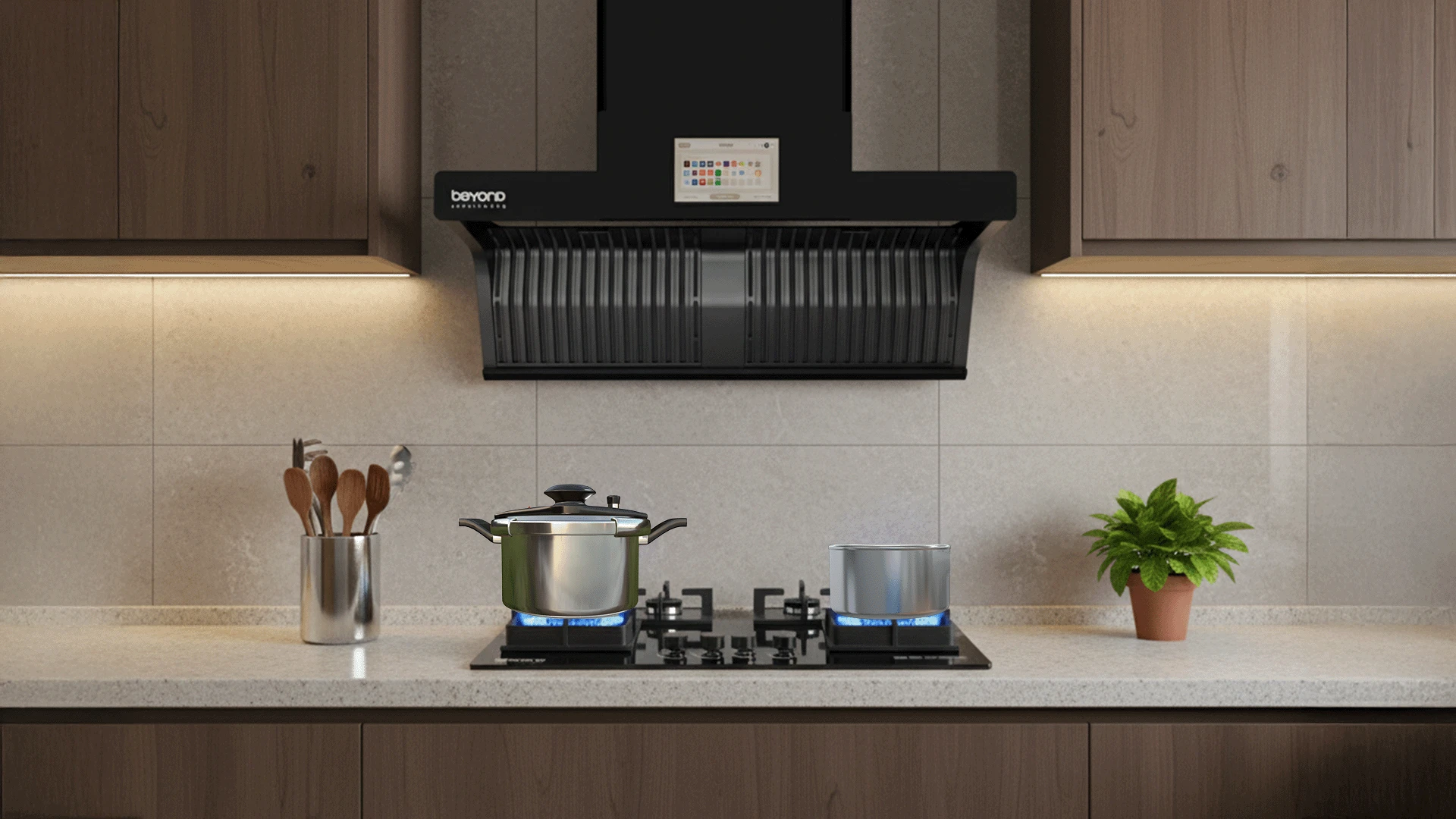
Gas hobs remain the preferred choice for many Indian households due to their instant heat control and visual flame indicators. These cooktops provide immediate temperature adjustments, making them ideal for traditional Indian cooking techniques that require precise heat management. Modern gas hobs feature brass burners that distribute heat evenly and resist corrosion. Auto-ignition systems eliminate the need for matches or lighters, enhancing convenience and safety. Configuration options include 2-burner, 3-burner, 4-burner, and 5-burner models to accommodate different family sizes and cooking requirements.
Induction hobs represent the pinnacle of cooking efficiency, using electromagnetic technology to heat cookware directly. This method achieves 90% energy efficiency compared to 40-50% efficiency in gas cooking, resulting in faster cooking times and reduced energy costs. These energy efficient hobs include safety features like child locks, automatic shut-off, and overheat protection. Touch controls and preset cooking programs simplify operation while maintaining precise temperature control. However, induction cooking requires compatible magnetic cookware made from iron or steel.
Electric hobs provide uniform heat distribution across the cooking surface, ensuring even cooking results. Ceramic glass surfaces offer easy cleaning and maintenance, while coil-type electric hobs provide cost-effective cooking solutions for budget-conscious households. Temperature control remains consistent throughout the cooking process, making electric hobs suitable for slow cooking and simmering. The smooth surface design integrates well with modern kitchen aesthetics while providing reliable cooking performance.
Smart hobs integrate Wi-Fi connectivity and app control, allowing remote operation and monitoring. Voice assistant compatibility enables hands-free cooking control, while automated programs simplify complex recipes. Energy monitoring features track consumption patterns, helping optimize cooking efficiency. These advanced cooktops represent the future of kitchen technology, offering convenience and control that aligns with smart home ecosystems.
Portable hobs offer cooking flexibility for small kitchens, outdoor events, or emergency situations. Single and double burner configurations provide options for different cooking needs while maintaining compact footprints. Gas and electric variants cater to different fuel preferences and availability. These units store easily when not in use and provide backup cooking solutions during kitchen renovations or appliance maintenance.
Hybrid models combine gas and induction technologies on a single cooking surface, offering fuel flexibility and cooking versatility. Users can choose the most appropriate cooking method for specific dishes while maintaining consistent cooking performance. These premium units feature zone-specific optimization, allowing simultaneous use of different cooking technologies. The investment cost balances against long-term versatility and cooking efficiency benefits.
Teppanyaki hobs feature flat cooking surfaces that enable restaurant-style cooking at home. The large, smooth surface accommodates multiple ingredients simultaneously while providing even heat distribution across the entire cooking area. Easy cleaning and maintenance make these units practical for regular use. Space-efficient designs maximize cooking area while fitting standard countertop dimensions, making them suitable for various kitchen sizes.
Hob installation requires careful planning and precise execution to ensure safety and optimal performance. Pre-installation measurements must account for countertop thickness, cabinet dimensions, and ventilation requirements. Gas hob installation involves connecting to existing gas lines or installing new connections. Professional installation ensures compliance with safety regulations and proper ventilation integration with kitchen chimneys. Electrical requirements for induction and electric hobs include dedicated circuits and appropriate voltage specifications. Countertop cutting requires precision to ensure proper fit and seal. Professional installers use specialized tools to create clean cuts that accommodate hob dimensions while maintaining structural integrity. Ventilation integration ensures proper exhaust management when combined with kitchen chimney systems.
Hob maintenance varies by type but generally involves regular cleaning and periodic professional servicing. Daily cleaning routines prevent buildup of grease and food particles that can affect performance and appearance. Gas hob maintenance includes cleaning burner caps and ensuring proper flame patterns. Blocked burner holes can cause uneven flames and reduced efficiency. Regular inspection of gas connections ensures safety and prevents leaks. Induction and electric hob surfaces require gentle cleaning with appropriate products to prevent scratching. Avoid abrasive cleaners that can damage ceramic or glass surfaces. Regular inspection of electrical connections ensures safe operation and prevents potential hazards.
Selecting the appropriate hob type depends on kitchen size, cooking habits, and budget constraints. Standard sizes include 60cm, 70cm, and 90cm widths to accommodate different kitchen layouts and family requirements. Burner configuration affects cooking capacity and efficiency. Four-burner models suit most households, while five-burner options accommodate larger families or frequent entertaining. Two and three-burner models work well for smaller kitchens or minimal cooking needs. Material choices include stainless steel for durability, tempered glass for easy cleaning, and ceramic surfaces for heat resistance. Budget considerations range from INR 5,000 for basic models to INR 50,000 for premium smart hobs with advanced features. Integration with kitchen chimney systems ensures proper ventilation and cooking comfort. Coordinated designs create cohesive kitchen aesthetics while maintaining functional efficiency.
A hob integrates into the kitchen countertop, providing a built-in cooking surface that saves space and creates a streamlined appearance. Traditional stoves are standalone units that occupy floor space and may not integrate as seamlessly with modern kitchen designs.
Induction hobs achieve the highest energy efficiency at 90%, followed by electric hobs at 70-80%, and gas hobs at 40-50%. Induction technology heats cookware directly, minimizing energy loss and reducing cooking times significantly.
While some portable electric hobs require minimal installation, built-in gas and induction hobs typically require professional installation. Gas connections must comply with safety regulations, and electrical work should meet local codes for safe operation.
Installation costs range from INR 1,500 to INR 5,000 depending on complexity, location, and additional requirements like gas line extensions or electrical upgrades. Professional installation ensures safety and warranty compliance.
Induction hobs require magnetic cookware made from iron, steel, or magnetic stainless steel. Aluminum, copper, and non-magnetic stainless steel cookware will not work unless they have a magnetic base layer.
Gas hobs benefit from annual professional cleaning and inspection, while electric and induction hobs require servicing every 2-3 years or when performance issues arise. Regular maintenance extends lifespan and ensures safe operation.
Selecting the ideal kitchen hob enhances your cooking experience while complementing your kitchen's design and functionality. Consider your cooking style, energy preferences, and budget when choosing between gas, induction, electric, or smart hob options. Professional installation and regular maintenance ensure optimal performance and safety for years of reliable cooking. Whether you prefer the instant control of gas, the efficiency of induction, or the convenience of smart technology, the right hob transforms your kitchen into a culinary haven that meets your family's needs.
