
7 Best Ductless Chimney Solutions for Kitchens
Cart
Your cart is empty
Modern kitchens face unique ventilation challenges, especially in apartments and homes where traditional ducted systems aren't feasible. A ductless chimney offers an innovative solution that filters and recirculates air without requiring external venting. These ventless chimney systems use advanced filtration technology to remove smoke, grease, and odors while maintaining your kitchen's air quality. Whether you're dealing with rental restrictions, complex installation requirements, or simply want a more flexible indoor cooking ventilation solution, understanding your options can transform your cooking experience.
A ductless chimney is a self-contained ventilation system that captures cooking fumes, filters them through multiple stages, and returns clean air back into your kitchen. Unlike traditional systems that exhaust air outside, these recirculating range hood units work entirely within your kitchen space. This makes them perfect for situations where external venting isn't possible or practical.
The filtration process begins when cooking vapors are drawn into the unit through powerful suction. Multi-stage filters remove grease particles, neutralize odors with activated charcoal, and some advanced models include HEPA filtration for fine particles. The cleaned air is then circulated back into your kitchen, maintaining air quality without losing conditioned air from your home.
While ducted systems physically remove air from your kitchen, ductless kitchen ventilation systems clean and recirculate it. Ducted systems typically offer higher CFM ratings but require complex installation and lose conditioned air. Ductless systems provide easier installation, lower energy costs, and maintain your home's climate control efficiency.
Rental properties often restrict major modifications, making ductless systems ideal. Kitchens located in building interiors, upper floors, or areas where ductwork would be prohibitively expensive benefit from ventless solutions. Building codes in some areas also favor recirculating systems for energy efficiency reasons.
Choosing the right ductless range hood depends on your kitchen layout, cooking habits, and aesthetic preferences. Each type offers unique advantages for different situations. Here are the seven most effective solutions available today.
These space-saving units mount directly under your existing cabinets, making them perfect for smaller kitchens. They typically offer 300-600 CFM suction power and feature washable aluminum filters with replaceable charcoal elements. Installation requires minimal modification to existing cabinetry, and most units include LED lighting for improved cooking visibility.
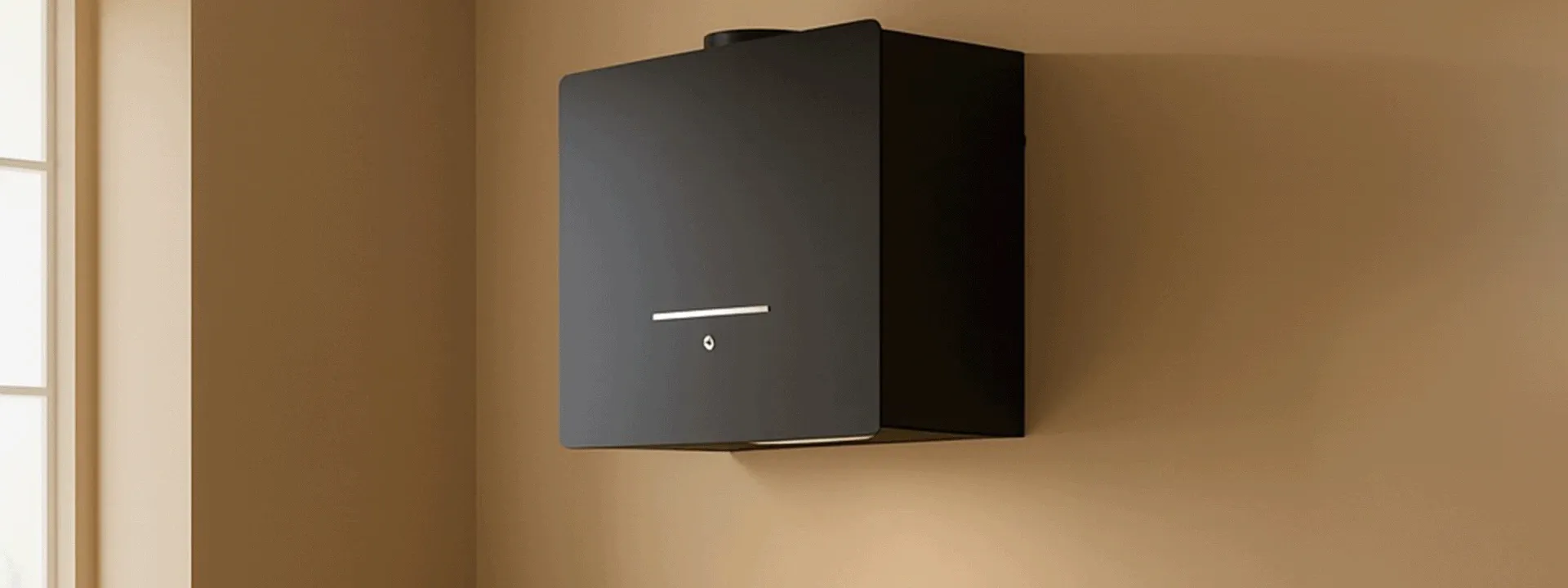
Wall-mounted units create a striking focal point while providing powerful ventilation. These systems often feature stainless steel construction with contemporary designs that complement modern kitchen aesthetics. Coverage areas typically handle 4-6 burner cooktops effectively, with noise levels ranging from 40-65 decibels depending on speed settings.
Island installations require 360-degree air circulation capabilities, making these units among the most powerful ductless options. They suspend from the ceiling and often feature dramatic designs that serve as kitchen centerpieces. Installation complexity is higher due to electrical and mounting requirements, but they provide excellent coverage for large cooking surfaces.
For temporary or rental situations, portable range hood units offer flexibility without permanent installation. These units typically plug into standard outlets and can be repositioned as needed. While suction power is generally lower than fixed installations, they provide adequate ventilation for light to moderate cooking.
Counter-level ventilation systems rise from behind or beside your cooktop when activated. These ductless exhaust fan systems maximize overhead space and work well with low ceilings. However, their effectiveness decreases with taller cookware, and they require significant counter modification for installation.
Combination units integrate microwave functionality with ventilation, maximizing space efficiency in smaller kitchens. While convenient, the ventilation performance typically doesn't match dedicated range hoods. These units work best for light cooking and reheating rather than heavy-duty meal preparation.
Advanced models like the Android Chimney Eris feature touchscreen controls, integrated entertainment systems, and app connectivity. These units offer 1500 CMH suction power, filterless operation, and infotainment screens with popular OTT apps. Dual speakers provide cinematic sound while cooking, and the dry heat auto-clean function maintains the motor automatically.
Effective indoor cooking ventilation relies on sophisticated filtration technology that captures and neutralizes cooking byproducts. Understanding how these systems work helps you choose the right solution and maintain optimal performance.
Aluminum mesh filters capture grease particles and larger debris first. Activated charcoal filters then neutralize odors and absorb volatile compounds. Some premium units add HEPA filtration for microscopic particles, creating hospital-grade air quality in your kitchen.
Grease filters require monthly cleaning in dishwashers or with degreasing solutions. Charcoal filters need replacement every 3-6 months depending on cooking frequency. Some advanced systems like the Android Chimney Eris eliminate traditional filters entirely, using dry heat auto-clean technology instead.
Quality recirculating range hood systems remove 85-95% of cooking smoke and 70-80% of odors. Grease capture rates typically exceed 90% with proper maintenance. These performance levels make ductless systems highly effective for most cooking situations.
Selecting the optimal ductless kitchen ventilation system requires careful consideration of your specific needs and constraints. Kitchen size, cooking habits, and budget all influence the best choice for your situation.
Smaller kitchens under 150 square feet work well with under-cabinet or combination units. Medium kitchens benefit from wall-mount or island systems with 400-600 CFM capacity. Larger spaces require high-capacity units or multiple smaller systems for adequate coverage.
Light cooking involving minimal frying or high-heat preparation works well with basic ductless systems. Heavy cooking with frequent frying, grilling, or spice-heavy dishes requires more powerful units with enhanced filtration. Professional-level cooking may need commercial-grade ductless systems.
Essential features include adequate CFM rating, quality filtration, and reliable controls. Upgrades like smart connectivity, entertainment features, and premium materials enhance convenience but aren't necessary for basic ventilation. Consider long-term filter replacement costs when evaluating total ownership expenses.
Yes, quality ductless systems effectively remove 85-95% of cooking smoke and odors when properly sized and maintained. They work best for normal home cooking but may struggle with extremely heavy-duty cooking.
Grease filters need monthly cleaning, while charcoal filters require replacement every 3-6 months. Advanced filterless systems like the Android Chimney Eris eliminate this maintenance entirely.
Basic under-cabinet units often allow DIY installation, but wall-mount and island systems typically require professional installation for electrical and mounting safety.
Ductless systems typically cost INR 15,000-80,000 for the unit plus installation, while ducted systems add INR 20,000-50,000 in ductwork costs.
Smart features like those in the Android Chimney Eris add convenience and entertainment value. They're worthwhile if you spend significant time cooking and want integrated kitchen technology.
Ductless chimney systems provide effective ventilation solutions for kitchens where traditional ducted systems aren't feasible. From basic under-cabinet units to advanced smart systems with entertainment features, there's a chimney without duct option for every kitchen and budget. Success depends on choosing the right capacity for your space, maintaining filters properly, and understanding the limitations compared to ducted systems. Whether you select a simple recirculating unit or an advanced system like the Android Chimney Eris with its touchscreen and auto-clean features, ductless ventilation can significantly improve your cooking environment while offering installation flexibility that traditional systems can't match.
