

2 vs 3 Burner Hob: Which Suits Your Kitchen?
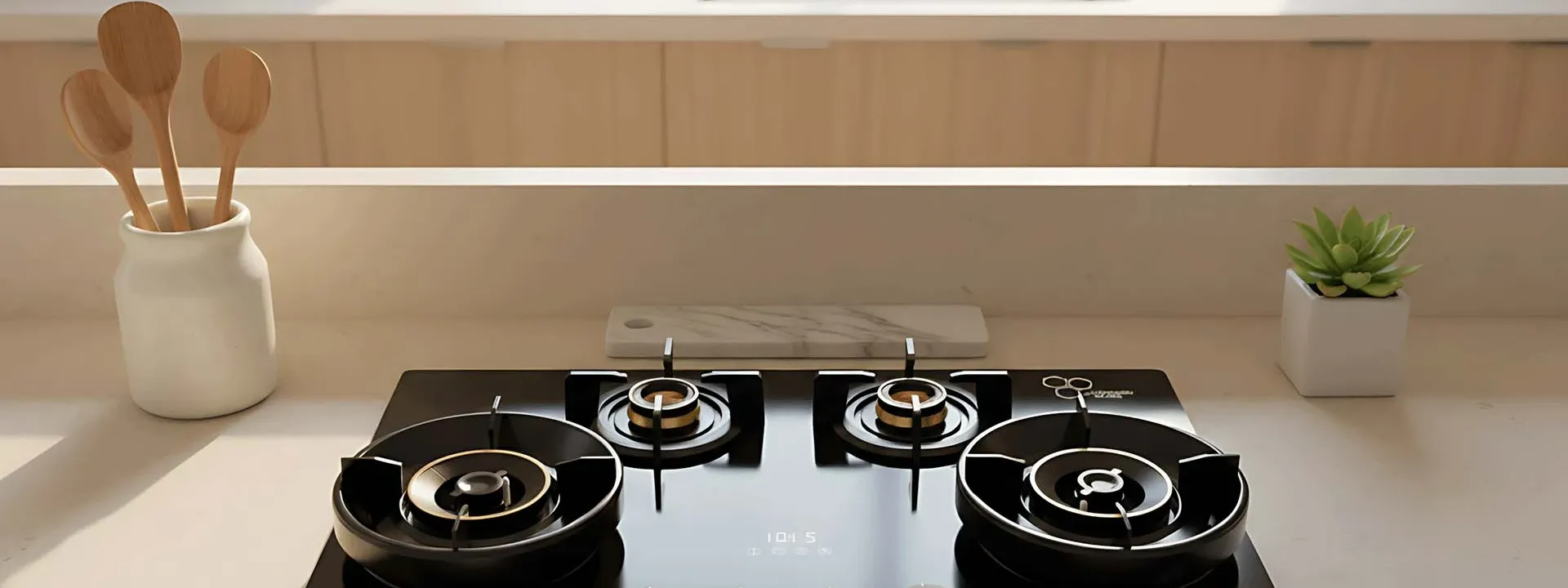
Choosing between a 2 burner hob vs 3 burner hob can feel overwhelming when you're designing your dream kitchen. The right choice depends on your cooking habits, kitchen space, family size, and budget. Whether you're a busy professional cooking quick meals or a family chef preparing elaborate dinners, understanding the key differences between these options will help you make an informed decision. Modern hobs come in various configurations, from compact portable units to sleek built-in models, each designed to meet specific cooking needs and kitchen layouts.
The primary distinction between a 2 burner hob and a 3 burner hob goes beyond just the number of cooking surfaces. These differences impact everything from your cooking workflow to energy consumption and kitchen space utilization. A 2 burner hob typically measures 60-70 cm in width, making it perfect for compact kitchens and smaller households. The 3 burner hob usually requires 75-90 cm of counter space, offering more cooking flexibility but demanding additional room. Power consumption varies significantly, with 2-burner models consuming 20-30% less energy during operation.
Space planning becomes crucial when selecting between these options. A compact hob with 2 burners fits comfortably in apartments, studio kitchens, and rental properties where counter space is premium.
The additional burner in a 3-burner setup allows simultaneous preparation of multiple dishes, reducing overall cooking time for larger meals. This proves especially valuable during festival seasons or when entertaining guests.
A 2 burner hob excels in specific scenarios where simplicity, space efficiency, and cost-effectiveness take priority. These units work exceptionally well for singles, couples, and small families who prefer streamlined cooking experiences. The best hob for small kitchen setups often features 2 burners because it maximizes available counter space while providing adequate cooking capacity. Modern 2-burner models offer impressive power output, with some gas variants delivering up to 4000 watts per burner, ensuring quick and efficient cooking.
Small kitchens benefit tremendously from the compact footprint of 2-burner models. The saved space can accommodate other essential appliances or provide additional prep area.
Initial purchase costs for 2-burner hobs typically range from INR 3,000 to INR 15,000, significantly lower than their 3-burner counterparts. Operating costs also remain minimal due to reduced energy consumption.
Many portable hob options feature 2 burners, offering flexibility for outdoor cooking, temporary setups, or backup cooking solutions during kitchen renovations.
A 3 burner hob transforms your cooking experience by enabling true multi-tasking in the kitchen. The additional cooking surface allows preparation of complete meals simultaneously, making it an efficient hob choice for busy households. Families with 4 or more members find 3-burner configurations particularly valuable during meal preparation. You can boil rice, prepare curry, and heat rotis simultaneously, reducing total cooking time by 30-40% compared to sequential cooking on fewer burners.
The third burner eliminates cooking bottlenecks, especially during morning breakfast rushes or dinner preparation. Professional home cooks appreciate the flexibility to maintain different temperature zones simultaneously.
Many 3-burner models feature varied burner sizes - typically one large, one medium, and one small burner. This configuration accommodates different cookware sizes and cooking techniques more effectively.
Larger families benefit from the increased cooking capacity, especially during festivals, celebrations, or when hosting guests. The additional burner proves invaluable for keeping dishes warm while preparing others.
Both gas hob comparison and induction hob technologies offer distinct advantages in 2 and 3 burner configurations. Understanding these differences helps optimize your cooking experience and energy efficiency. Gas hobs provide instant heat control and work with all cookware types, making them versatile choices for traditional cooking methods. Induction models offer superior energy efficiency, converting 85-90% of energy into heat compared to 40-50% efficiency in gas models.
Gas-powered 2 and 3 burner hobs deliver consistent performance with precise flame control. Operating costs remain relatively low, with LPG consumption averaging 0.5-0.7 kg per month for moderate cooking.
Induction hobs heat cookware directly through electromagnetic fields, resulting in faster cooking times and improved safety features. Child lock mechanisms and automatic shut-off functions enhance kitchen safety significantly.
Electric coil hobs offer budget-friendly alternatives but require longer heating and cooling times. They work well in areas where gas connections aren't available or practical.
Successful hob selection requires careful consideration of your kitchen's physical constraints and design aesthetic. A small hob might be perfect for efficiency apartments, while larger kitchens can accommodate more substantial 3-burner installations. Measure your available counter space carefully, allowing 15-20 cm clearance on each side for safe operation and easy cleaning. Consider the location of your chimney or exhaust system, as this affects installation requirements and cooking comfort.
Effective space planning involves balancing cooking capacity with prep area requirements. A compact hob leaves more room for food preparation, storage, and other appliances.
Built-in models offer seamless integration with kitchen countertops, while portable units provide flexibility for renters or those who frequently relocate. Consider your long-term housing plans when making this decision.
Budget considerations extend beyond initial purchase price to include installation costs, energy consumption, and long-term maintenance expenses. A comprehensive hob buying guide should evaluate total cost of ownership over 5-7 years. 2-burner hobs typically cost INR 3,000-15,000, while 3-burner models range from INR 5,000-25,000. Installation charges vary based on complexity, with gas connections requiring professional setup for safety compliance. Energy costs favor 2-burner models for smaller households, but 3-burner efficiency benefits larger families through reduced cooking times and simultaneous meal preparation. Calculate your monthly cooking patterns to determine which option provides better long-term value.
Selecting between a 2 or 3 burner hob requires honest assessment of your cooking habits, family size, kitchen space, and budget constraints. This hob buying guide framework helps streamline your decision-making process. Start by evaluating your typical meal preparation routine. Do you cook multiple dishes simultaneously? How often do you entertain guests? Are you comfortable with sequential cooking, or do you prefer preparing everything at once?
Document your cooking patterns for one week, noting how many burners you use simultaneously and for how long. This real-world data provides valuable insights into your actual requirements.
Measure your available counter space and consider future kitchen modifications. Factor in clearance requirements for safe operation and comfortable cooking experiences.
Invest in reputable brands that offer comprehensive warranties and reliable after-sales service. Quality construction ensures years of dependable performance and safety.
The choice depends on your family size, cooking habits, and kitchen space. 2-burner hobs work well for 1-3 people and small kitchens, while 3-burner models suit families of 4+ and those who cook multiple dishes simultaneously. Consider your typical meal preparation routine and available counter space when deciding.
Yes, modern 2-burner gas stoves deliver sufficient power for most family cooking needs. High-efficiency burners can reach 4000 watts, providing rapid heating for quick meal preparation. The key is planning your cooking sequence effectively to maximize the available burner capacity.
A 3-burner hob typically works better for families of 4, allowing simultaneous preparation of rice, curry, and vegetables. However, a high-quality 2-burner model can suffice if you're comfortable with sequential cooking and have limited counter space.
Portable hobs offer comparable cooking performance to built-in models, with the added advantage of flexibility. However, built-in units often feature better heat distribution and more robust construction. Choose based on your installation preferences and mobility needs.
A 2-burner hob requires approximately 60-70 cm of counter width, while 3-burner models need 75-90 cm. Always allow 15-20 cm clearance on each side for safe operation and easy cleaning access.
Choosing between a 2 burner hob vs 3 burner hob ultimately depends on balancing your cooking needs with practical constraints. 2-burner models excel in space-constrained kitchens and smaller households, offering cost-effective solutions without compromising cooking quality. 3-burner hobs provide enhanced cooking flexibility and efficiency for larger families and those who frequently prepare elaborate meals. Consider your kitchen space, family size, cooking habits, and budget to make the most suitable choice for your home.
