

Understanding MTDS in Water Purifier: Effects of High TDS
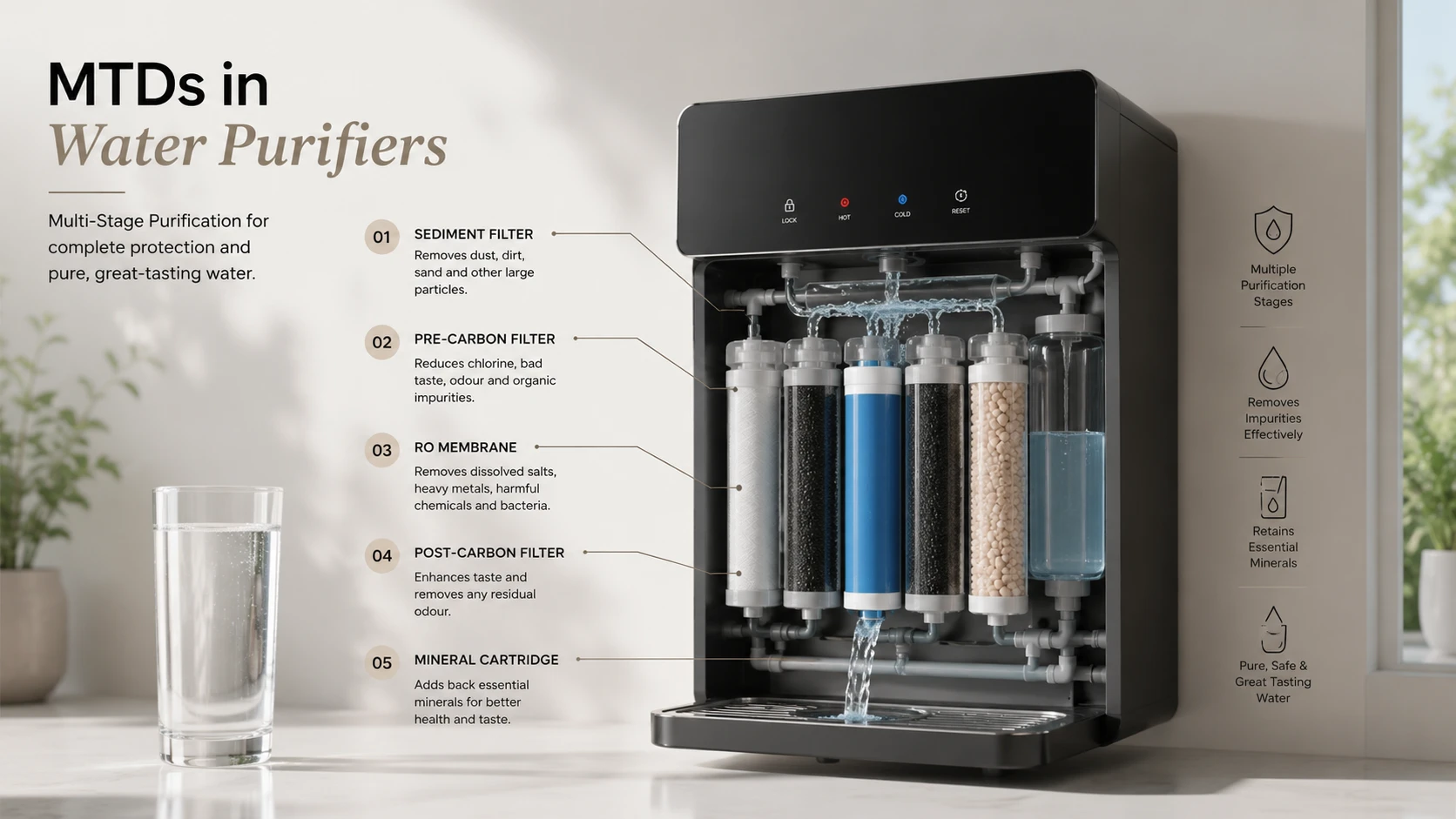
Water quality concerns have reached a tipping point in modern households, with Total Dissolved Solids (TDS) becoming a critical factor in choosing the right water purification system. MTDS in water purifier technology represents a sophisticated approach to measuring and managing dissolved contaminants that directly impact your family's health and appliance longevity. Whether you're experiencing metallic-tasting water, scale buildup on appliances, or simply want to ensure optimal water quality, understanding TDS levels and their management through advanced purification systems is essential. Beyond Appliances recognizes that informed consumers make better choices, which is why understanding the science behind water purification technology empowers you to select systems that truly protect your household's health and investment.
• MTDS (Membrane Total Dissolved Solids) in water purifiers measures contaminant removal efficiency, with optimal drinking water TDS levels between 150-300 ppm for health and taste balance.
• High TDS levels above 500 ppm can cause health issues, appliance damage, and poor taste, while levels below 50 ppm may lack essential minerals.
• Modern RO and UV+UF purification systems effectively reduce TDS levels while preserving beneficial minerals, requiring regular maintenance for optimal performance.
Total dissolved solids meaning encompasses all inorganic and organic substances dissolved in water, including minerals, salts, metals, and chemical compounds. These microscopic particles pass through standard filtration but significantly impact water quality, taste, and safety. TDS measurements, expressed in parts per million (ppm) or milligrams per liter (mg/L), provide crucial insights into water purity levels.
Common dissolved solids include calcium, magnesium, sodium, potassium, chlorides, sulfates, and various trace elements. While some minerals benefit human health, excessive concentrations create problems ranging from poor taste to serious health complications. Understanding these components helps homeowners make informed decisions about water treatment solutions.
Groundwater naturally acquires dissolved solids as it moves through soil and rock formations. Limestone regions typically produce higher calcium and magnesium levels, while coastal areas may have elevated sodium content due to saltwater intrusion. Agricultural runoff, industrial discharge, and aging infrastructure further contribute to TDS accumulation in municipal water supplies.
Urban environments introduce additional dissolved solids through industrial processes, road salt applications, and chemical treatments in water distribution systems. Older plumbing systems may leach metals like lead, copper, and iron, significantly increasing TDS levels and creating health hazards.
MTDS in water purifier systems represents advanced membrane technology that selectively removes harmful dissolved solids while preserving beneficial minerals. This sophisticated approach combines multiple filtration stages to achieve optimal water quality without completely demineralizing the water.
Reverse osmosis membranes form the core of MTDS technology, featuring semi-permeable barriers that block contaminants larger than water molecules. These membranes typically remove 95-99% of dissolved solids, including heavy metals, pesticides, and harmful chemicals. Pre-filtration stages remove sediment and chlorine, protecting the delicate RO membrane from damage.
Modern MTDS systems incorporate sediment filters, activated carbon blocks, RO membranes, and post-filtration stages. Each component targets specific contaminants, ensuring comprehensive water treatment. UV sterilization may be included to eliminate bacteria and viruses that could survive the filtration process.
Advanced purification systems include TDS meters and digital displays that monitor water quality in real-time. These features alert users when filter replacement is needed and ensure consistent performance. Some models automatically adjust filtration intensity based on input water quality.
Safe TDS level for drinking water typically ranges between 150-300 ppm for optimal health benefits and taste quality. The World Health Organization suggests that TDS levels below 300 ppm are generally acceptable for human consumption, though regional preferences and health considerations may vary.
Water with TDS levels below 50 ppm may lack essential minerals like calcium and magnesium, potentially leading to mineral deficiencies over time. Conversely, levels exceeding 500 ppm often indicate contamination and may cause digestive issues, kidney problems, and cardiovascular complications.
Different regions maintain varying standards based on local water sources and health considerations. European standards tend to be more stringent, while developing nations may accept higher levels due to infrastructure limitations. Understanding local regulations helps homeowners choose appropriate purification systems.
The Bureau of Indian Standards recommends TDS levels between 500-2000 ppm as acceptable, though lower levels provide better taste and reduced health risks. The Environmental Protection Agency classifies water with TDS below 500 ppm as fresh, while levels above 1000 ppm are considered brackish.
Effects of high TDS in water extend beyond taste concerns, potentially causing serious health complications when consumed regularly. Elevated dissolved solids concentrations strain the kidneys, disrupt mineral balance, and may contribute to cardiovascular disease development.
High sodium levels in water can elevate blood pressure and exacerbate hypertension in susceptible individuals. Excessive calcium and magnesium may contribute to kidney stone formation, while heavy metals like lead and mercury cause neurological damage and developmental problems in children.
Consuming high-TDS water regularly can cause gastrointestinal distress, including nausea, diarrhea, and stomach cramping. The digestive system struggles to process excessive mineral concentrations, leading to dehydration and electrolyte imbalances.
Chronic exposure to high TDS levels may increase the risk of kidney disease, cardiovascular problems, and mineral deficiency disorders. Children and elderly individuals face heightened vulnerability to these health impacts due to developing or compromised organ systems.
Beyond health concerns, high TDS levels significantly impact kitchen appliances and plumbing systems. Scale buildup from dissolved minerals reduces appliance efficiency, increases energy consumption, and shortens equipment lifespan. Coffee makers, dishwashers, and ice machines are particularly vulnerable to TDS-related damage.
Calcium and magnesium deposits create stubborn scale formations in pipes, water heaters, and appliance components. This buildup restricts water flow, reduces heating efficiency, and may cause premature equipment failure. Regular descaling becomes necessary but cannot completely prevent long-term damage.
High-end kitchen appliances require consistent water quality to maintain optimal performance. Steam ovens, espresso machines, and combination units benefit significantly from TDS-controlled water supplies. These sophisticated appliances feature precision engineering that demands clean, properly mineralized water for reliable operation.
Appliances operating with high-TDS water require frequent maintenance, replacement parts, and professional servicing. The cumulative cost of repairs and reduced efficiency often exceeds the investment in quality water purification systems.
TDS reduction in water purifier systems employs various technologies, each with specific advantages and limitations. Reverse osmosis remains the most effective method for comprehensive TDS reduction, while UV and UF systems provide targeted contaminant removal without significantly altering mineral content.
Activated carbon filtration removes chlorine, organic compounds, and some dissolved solids but cannot address high mineral concentrations. Ion exchange systems specifically target hardness-causing minerals but may increase sodium levels. Combining multiple technologies creates comprehensive treatment solutions.
RO systems force water through semi-permeable membranes under pressure, removing up to 99% of dissolved solids. This technology effectively eliminates heavy metals, pesticides, bacteria, and viruses while significantly reducing TDS levels. However, RO systems also remove beneficial minerals, requiring remineralization stages.
UV sterilization destroys microorganisms without altering water chemistry, while ultrafiltration removes larger particles and some bacteria. These technologies complement RO systems or serve as standalone solutions for moderately contaminated water sources.
Selecting appropriate purification technology depends on input water quality, household size, and specific health concerns. Testing your water supply provides essential baseline data for making informed decisions about filtration requirements and system specifications.
Consider factors like daily water consumption, available installation space, maintenance requirements, and long-term operating costs. Systems with smart monitoring features and automatic shut-off capabilities provide added convenience and safety assurance.
Household size directly impacts required system capacity and flow rates. Larger families need higher-capacity systems with faster processing speeds to meet daily consumption demands. Under-sink systems work well for drinking water, while whole-house systems address comprehensive water treatment needs.
Contemporary water purification systems complement modern kitchen aesthetics while providing superior functionality. Sleek designs and compact footprints allow seamless integration with premium appliances and sophisticated kitchen layouts. Smart features like digital displays and automated controls align with the connected kitchen ecosystem that modern homeowners prefer.
Proper maintenance ensures consistent TDS reduction performance and extends system lifespan. Regular filter replacement, membrane cleaning, and system sanitization prevent bacterial growth and maintain optimal filtration efficiency. Neglecting maintenance can lead to system failure and compromised water quality.
Monitor TDS levels regularly using digital meters to track system performance and identify potential issues early. Sudden increases in output TDS levels may indicate filter saturation, membrane damage, or system bypass problems requiring immediate attention.
Different filter stages require replacement at varying intervals based on usage and input water quality. Sediment filters typically need replacement every 3-6 months, while RO membranes may last 2-3 years with proper care. Carbon filters generally require replacement every 6-12 months.
Annual professional servicing ensures optimal system performance and identifies potential problems before they cause system failure. Trained technicians can perform membrane cleaning, system sanitization, and component replacement with manufacturer-approved parts.
Investment in quality water purification systems provides significant long-term value through reduced health risks, appliance protection, and improved quality of life. Initial costs vary based on technology, capacity, and features, but operational expenses remain relatively low with proper maintenance.
Compare total cost of ownership including initial purchase price, installation costs, filter replacements, and energy consumption. High-quality systems may have higher upfront costs but typically offer better performance, longer lifespan, and lower maintenance requirements.
Entry-level RO systems start around ₹8,000-₹15,000, providing basic TDS reduction for small households. Mid-range systems (₹15,000-₹30,000) offer enhanced features like UV sterilization and smart monitoring. Premium systems exceeding ₹30,000 include advanced technologies and comprehensive water treatment capabilities.
Calculate potential savings from reduced appliance maintenance, eliminated bottled water purchases, and improved health outcomes. Quality water purification systems typically pay for themselves within 2-3 years through these combined benefits.
Contemporary water purification systems incorporate smart technologies that enhance user experience and ensure consistent performance. Digital TDS displays, filter life indicators, and automatic shut-off features provide real-time system monitoring and maintenance alerts.
WiFi connectivity allows remote monitoring through smartphone apps, enabling users to track water quality, filter status, and system performance from anywhere. Some advanced models include voice control compatibility and integration with smart home systems.
Internet-connected purifiers can automatically order replacement filters, schedule maintenance appointments, and provide detailed usage analytics. These features simplify system management and ensure optimal performance without constant user intervention.
Modern systems incorporate energy-saving technologies like efficient pumps, standby modes, and optimized filtration cycles. These features reduce electricity consumption while maintaining superior water quality and system reliability.
The optimal TDS level for purified drinking water ranges between 150-300 ppm, providing essential minerals while ensuring safety and good taste. Levels below 50 ppm may lack beneficial minerals, while levels above 300 ppm might indicate incomplete purification or system maintenance issues.
Check TDS levels weekly using a digital TDS meter to monitor system performance and water quality consistency. Sudden increases may indicate filter saturation or system problems requiring immediate attention. Maintaining a log helps track performance trends over time.
Yes, high TDS water causes significant damage to kitchen appliances through scale buildup, reduced efficiency, and premature component failure. Premium appliances particularly benefit from TDS-controlled water supplies to maintain optimal performance and extend operational lifespan.
No, different purification technologies have varying TDS reduction capabilities. RO systems remove 95-99% of dissolved solids, while UV and UF systems primarily target microorganisms without significantly affecting TDS levels. Choose technology based on your specific water quality needs.
Regular maintenance includes filter replacement every 3-12 months depending on the stage, annual professional servicing, and periodic system sanitization. Monitor TDS levels regularly and replace components according to manufacturer recommendations to ensure consistent performance and water quality.
Understanding MTDS in water purifier technology empowers homeowners to make informed decisions about water quality management and appliance protection. Safe TDS levels between 150-300 ppm provide optimal health benefits while preserving essential minerals and ensuring good taste. High TDS levels above 500 ppm pose serious health risks and cause significant damage to kitchen appliances and plumbing systems.
Modern water purification systems offer sophisticated TDS reduction capabilities through multi-stage filtration, smart monitoring features, and energy-efficient operation. Regular maintenance and proper system selection based on input water quality ensure consistent performance and long-term value. Investing in quality water purification technology protects both family health and valuable kitchen appliances while providing superior water quality for daily consumption and cooking needs.
