

Ultimate Guide: Remove Kitchen Fumes Step by Step
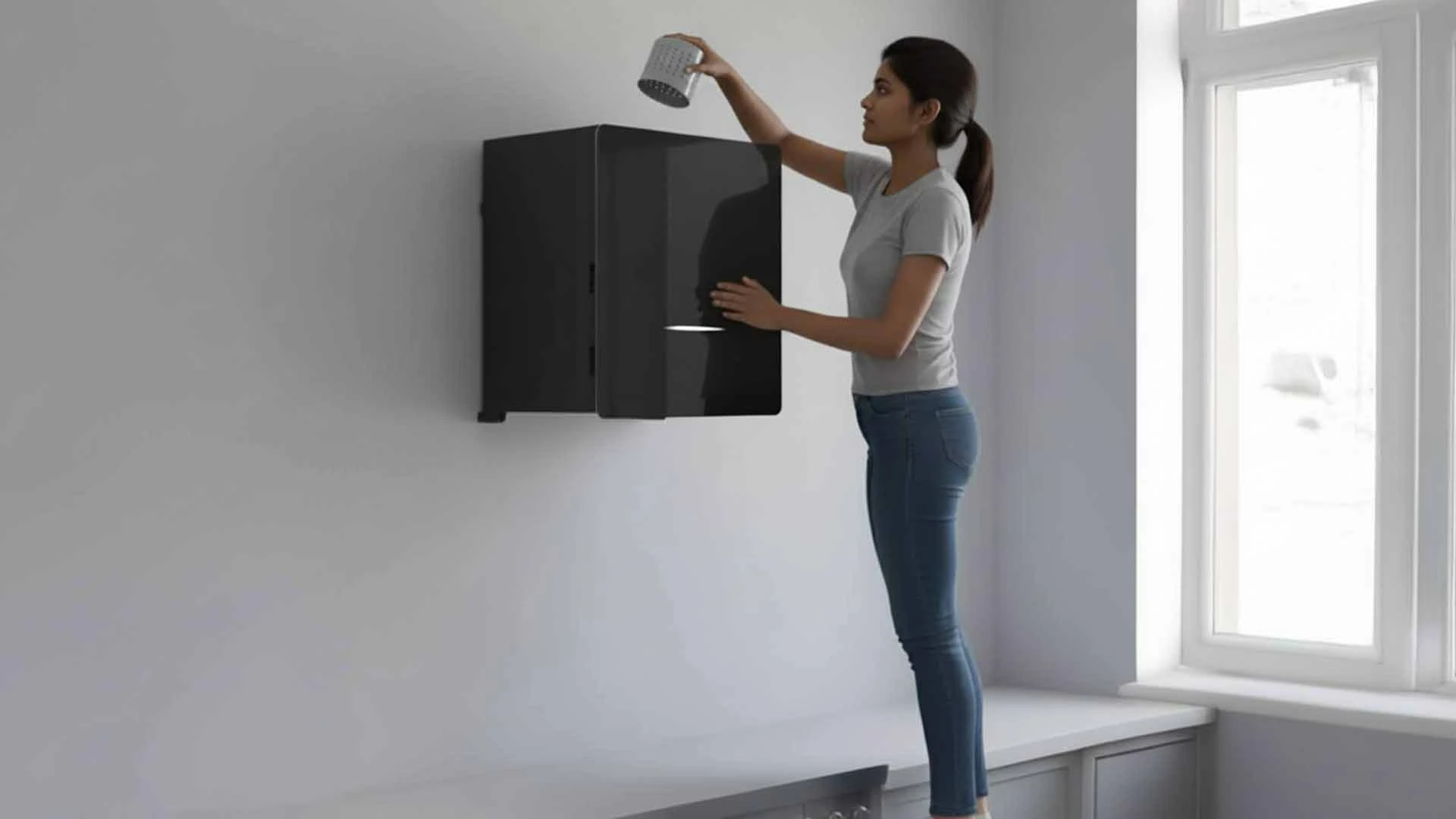
Kitchen fumes can transform your cooking space from a pleasant environment into an uncomfortable zone filled with lingering odors and potentially harmful particles. Whether you're dealing with grease-laden air from frying, steam from boiling, or smoke from high-heat cooking, understanding how to remove kitchen fumes effectively is essential for maintaining a healthy and comfortable home. Poor indoor air quality kitchen conditions can affect your family's health and make your entire house smell like last night's dinner. This comprehensive guide will walk you through proven methods, from simple natural solutions to professional-grade kitchen ventilation solutions, ensuring your kitchen stays fresh and your air stays clean.
Kitchen fumes consist of a complex mixture of particles, gases, and vapors released during cooking processes. These include grease particles from frying, steam from boiling water, smoke from high-temperature cooking, and chemical compounds released from heated oils and foods. When cooking at high temperatures, especially when frying or grilling, oils break down and release potentially harmful compounds into the air. Prolonged exposure to cooking fumes can lead to respiratory irritation, eye discomfort, and headaches. Studies have shown that poor indoor air quality kitchen environments may contribute to long-term health issues, particularly for individuals with asthma or other respiratory conditions. The accumulation of grease particles can also create fire hazards and damage kitchen surfaces over time. Common sources of kitchen fumes include gas stoves that produce combustion byproducts, electric cooktops that generate heat-related emissions, and various cooking methods like deep frying, grilling, and sautéing. Understanding these sources helps you implement targeted kitchen fume extraction strategies for maximum effectiveness.
When cooking fumes become overwhelming, quick action can prevent odors from spreading throughout your home. Immediate solutions focus on neutralizing existing odors and improving air circulation without requiring expensive equipment or extensive preparation.
Vinegar and water boiling method provides rapid odor neutralization. Fill a pot with equal parts water and white vinegar, bring to a boil, and let it simmer for 10-15 minutes. The acidic properties of vinegar neutralize alkaline odors while the steam helps distribute the deodorizing effect throughout your kitchen. Baking soda absorption technique works by placing open containers of baking soda near cooking areas and leaving them overnight. Baking soda naturally absorbs odors and moisture from the air, making it an effective eliminate kitchen odors solution.
Opening windows strategically creates natural airflow that helps remove cooking fumes. Open windows on opposite sides of your kitchen to create cross-ventilation, which moves contaminated air out while bringing fresh air in. Position fans near windows to enhance this natural air exchange process. Using portable fans for air circulation can significantly improve cooking fumes removal when natural ventilation isn't sufficient. Place one fan blowing air out of the kitchen and another bringing fresh air in from adjacent rooms.
Professional-grade ventilation systems provide the most effective long-term solution for kitchen fume extraction. These systems are designed to handle the volume and types of contaminants produced during regular cooking activities, ensuring consistent air quality improvement.
Ducted range hoods offer superior performance by venting contaminated air directly outside your home. These systems require proper ductwork installation but provide the most effective cooking fumes removal available. Calculate the required CFM (cubic feet per minute) by multiplying your kitchen's square footage by 2 for light cooking or 4 for heavy cooking. Ductless range hoods filter air through charcoal and grease filters before recirculating it back into the kitchen. While less effective than ducted systems, they work well in apartments or homes where ductwork installation isn't feasible.
Downdraft ventilation systems install directly into cooktops or countertops, pulling fumes downward through hidden ductwork. These systems work particularly well for kitchen islands where traditional overhead hoods aren't practical. Window-mounted exhaust fans provide an affordable alternative for kitchens with windows near cooking areas. These units can be installed temporarily or permanently and offer decent fume removal for smaller spaces.
Advanced air purification systems complement traditional ventilation by targeting specific types of contaminants that standard exhaust systems might miss. These solutions are particularly valuable for maintaining healthy kitchen air quality in homes with family members who have respiratory sensitivities.
HEPA filters excel at capturing particles but don't address gaseous odors effectively. Activated carbon filters specialize in odor removal and chemical absorption. The most effective kitchen air purifier units combine both technologies for comprehensive air cleaning. Room size calculations determine the appropriate air purifier capacity. Multiply your kitchen's length, width, and height to get cubic footage, then select a unit rated for at least that volume with 4-5 air changes per hour.
HVAC integration options include installing air purification systems directly into your home's heating and cooling ductwork. This approach ensures that cooking odors don't spread to other rooms while maintaining consistent air quality throughout your home. Smart air quality monitoring systems track pollutant levels in real-time and automatically adjust ventilation or purification systems as needed. These systems provide valuable data about your indoor air quality kitchen conditions and help optimize your fume removal strategies.
Regular maintenance ensures your kitchen ventilation solutions continue operating at peak efficiency. Neglected systems not only lose effectiveness but can also become sources of contamination themselves, defeating the purpose of installation.
Grease filter maintenance requires monthly cleaning for heavy cooking households or quarterly for light cooking. Remove filters and wash with hot, soapy water or place in the dishwasher if manufacturer-approved. Replace disposable filters according to manufacturer recommendations. Charcoal filter replacement timing varies by usage but typically ranges from 3-6 months. These filters cannot be cleaned and must be replaced when saturated. Mark replacement dates on your calendar to maintain consistent performance.
Temperature control methods prevent excessive smoke and odor production. Use medium heat for most cooking tasks and avoid overheating oils past their smoke points. This approach reduces cooking smells while preserving food quality and nutritional value. Lid usage strategies trap steam and odors during cooking, making them easier to capture with ventilation systems. Use lids when boiling, simmering, or steaming to contain moisture and reduce the load on your fume removal systems.
Homemade solutions provide cost-effective ways to maintain fresh kitchen air between deep cleaning sessions. These natural kitchen deodorizers work well as supplementary measures alongside mechanical ventilation systems.
Stovetop potpourri recipes combine water with aromatic ingredients like cinnamon sticks, citrus peels, and herbs. Simmer these mixtures on low heat to release pleasant fragrances that naturally mask cooking odors while adding humidity to dry air. Essential oil diffusion methods include adding a few drops of your favorite oils to cotton balls and placing them near air vents or fans. Lemon, eucalyptus, and peppermint oils are particularly effective at neutralizing cooking odors.
Sink and drain deodorizing prevents odors from accumulating in areas where food particles and grease commonly collect. Pour baking soda down drains followed by white vinegar, let sit for 30 minutes, then flush with hot water. Surface treatment for odor absorption involves wiping down all kitchen surfaces with a solution of white vinegar and water. This removes grease residue that can harbor odors and provides a fresh, clean foundation for your kitchen environment.
Boil a mixture of water and white vinegar for 10-15 minutes to neutralize odors naturally. Place bowls of baking soda around the kitchen overnight to absorb lingering smells. Open windows and use fans to create cross-ventilation that removes contaminated air while bringing in fresh air from outside.
Activated charcoal provides the most effective natural odor absorption for persistent smells. For immediate results, simmer lemon peels and cinnamon in water. Air purifiers with both HEPA and activated carbon filters offer the most comprehensive solution for ongoing odor control.
Close kitchen doors during cooking to contain odors, then use exhaust fans and open windows to remove contaminated air before opening the kitchen to other areas. Place bowls of activated charcoal or baking soda in affected rooms overnight. Run whole-house air purification systems or HVAC fans to circulate and filter air throughout your home.
Kitchen extractor fans effectively remove smells when properly sized and installed. Calculate required CFM by multiplying kitchen square footage by 2-4 depending on cooking intensity. Ducted systems that vent outside perform better than ductless models that recirculate filtered air.
Air purifiers combining HEPA and activated carbon filtration provide the most comprehensive odor removal. Look for units rated for your kitchen size with at least 4-5 air changes per hour. Commercial-grade units offer superior performance but may be unnecessarily powerful for residential use.
Effective kitchen fume removal requires a combination of immediate solutions, proper ventilation, and regular maintenance. Natural kitchen deodorizers provide quick relief for minor odors, while professional kitchen ventilation solutions offer long-term air quality improvement. The key to maintaining healthy kitchen air lies in understanding your specific needs and implementing appropriate solutions consistently. Whether you choose simple DIY methods or invest in advanced air purification systems, the goal remains the same: creating a comfortable, healthy environment where you can enjoy cooking without compromising your family's well-being.
