

T-Shaped vs Curved Chimney: Kitchen Design Guide
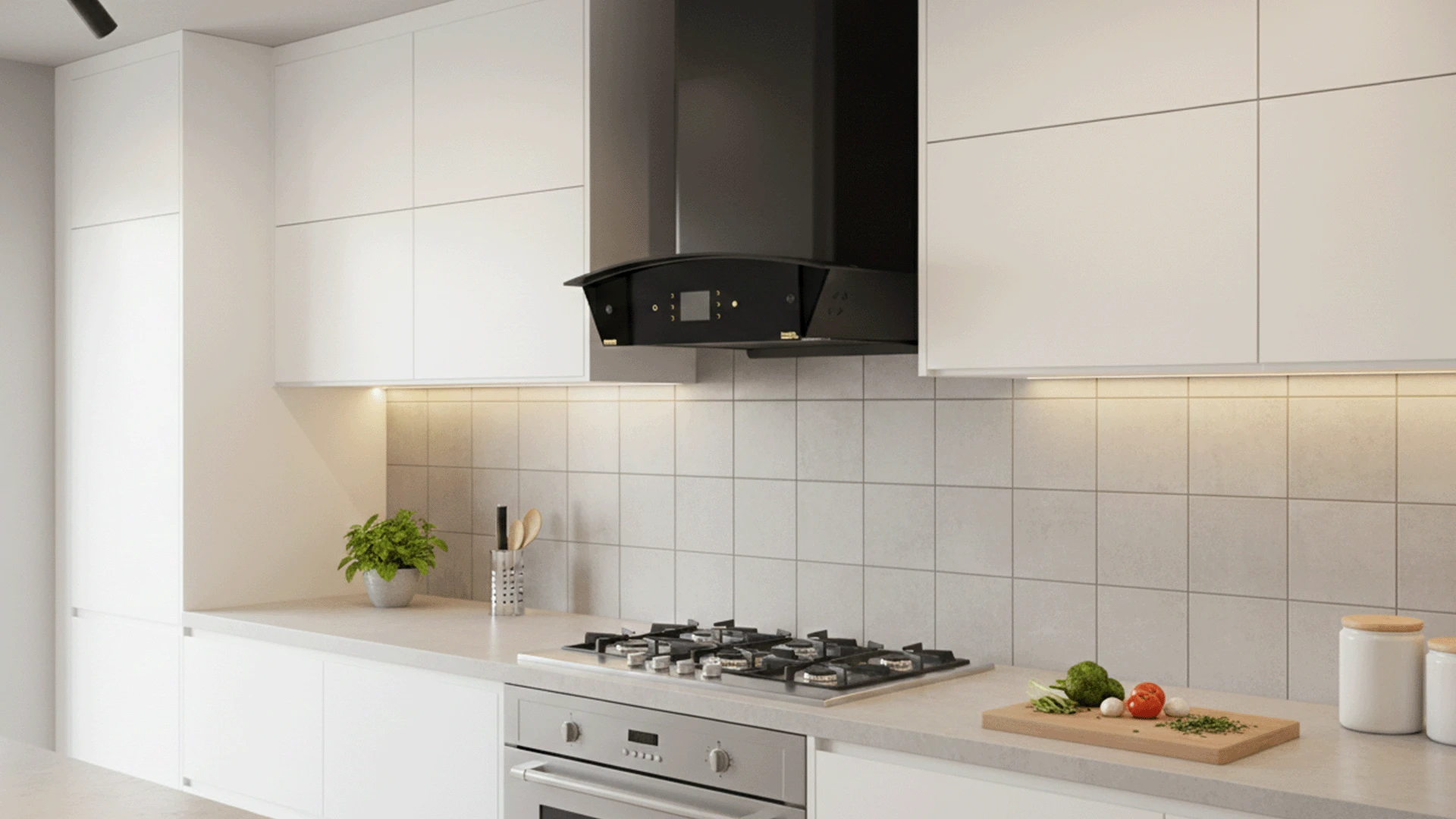
Choosing the right kitchen chimney shape can transform both your cooking experience and kitchen aesthetics. With modern Indian kitchens evolving rapidly, homeowners face a crucial decision between T-shaped chimney vs curved designs. Each shape offers distinct advantages in performance, style, and functionality. Understanding these differences helps you make an informed choice that complements your cooking habits, kitchen size, and design preferences. Whether you're renovating an existing kitchen or planning a new one, the chimney shape significantly impacts ventilation efficiency and visual appeal.
Chimney shapes play a vital role in both functionality and aesthetics of modern kitchens. The two most popular designs - T-shaped and curved chimneys - offer different approaches to kitchen ventilation and style integration. T shaped chimney designs feature angular, geometric lines with a distinctive T-formation at the top. This traditional shape provides robust construction and straightforward functionality. The design typically includes a flat or slightly angled canopy that extends horizontally over the cooking surface. Curved chimney designs showcase smooth, flowing lines that create a more contemporary appearance. These modern chimneys feature rounded edges and sleek profiles that blend seamlessly with contemporary kitchen aesthetics. The curved design often incorporates advanced engineering for improved airflow dynamics. Both chimney styles serve the primary function of removing smoke, odors, and grease from your kitchen. However, their different shapes affect air intake patterns, installation requirements, and overall kitchen design integration.
T-shaped chimneys represent the traditional approach to kitchen ventilation with proven performance in Indian cooking conditions. These designs prioritize functionality and durability over aesthetic appeal.
The angular design of T shaped chimney models provides excellent suction power for heavy Indian cooking. The wide, flat canopy effectively captures smoke and vapors from multiple cooking zones simultaneously. This design works particularly well for traditional cooking methods that generate substantial smoke and steam. T-shaped designs typically offer superior coverage for larger cooking surfaces. The extended horizontal reach ensures effective ventilation even when using multiple burners or large cookware. This makes them ideal for families who frequently prepare elaborate meals.
T-shaped chimneys come in various sizes to accommodate different kitchen dimensions. The 60cm models work well for compact kitchens with limited cooking space. These smaller units provide adequate ventilation for light to moderate cooking needs. The 75cm variants offer balanced performance for medium-sized kitchens. They provide improved coverage without overwhelming smaller spaces. The 90cm models deliver maximum coverage for large kitchens and heavy cooking requirements. Installation of T-shaped designs requires adequate ceiling height and proper ducting arrangements. The angular structure may need more clearance space compared to curved alternatives.
While functional, T-shaped chimneys may appear bulky in modern kitchen settings. The angular design can clash with contemporary aesthetics and sleek kitchen layouts. Limited style options may restrict integration with certain design themes.
Curved chimney designs represent the evolution of range hood design toward more sophisticated and visually appealing solutions. These modern chimneys combine advanced functionality with contemporary styling.
The curved design creates improved airflow dynamics through better air intake distribution. The smooth, rounded surfaces reduce air turbulence and enhance suction efficiency. This design proves particularly effective for capturing cooking vapors from various angles. Curved chimneys often incorporate advanced motor technology and improved filter systems. The streamlined design allows for better integration of high-performance components without compromising aesthetics.
Chimney aesthetics reach new heights with curved designs that complement modern kitchen themes. The flowing lines create visual harmony with contemporary appliances and sleek surfaces. These designs often become focal points that enhance overall kitchen appeal. The sophisticated appearance of curved chimneys suits various kitchen styles from minimalist to luxury designs. The smooth surfaces reflect light beautifully and create an impression of spaciousness.
Curved designs typically require less visual space while maintaining effective performance. The streamlined profile reduces the perceived bulk common in traditional angular designs. This makes them ideal for kitchens where space efficiency matters. The compact design often allows for easier integration with kitchen cabinetry and lighting systems. Installation flexibility increases with curved models that adapt better to various ceiling configurations.
Comparing T-shaped chimney vs curved designs reveals distinct performance characteristics that suit different cooking needs and kitchen requirements.
T-shaped chimneys typically provide robust suction power through their wide, flat canopy design. The angular structure creates strong air intake zones that effectively handle heavy Indian cooking scenarios. These designs excel in capturing smoke from high-heat cooking methods. Curved chimneys offer more refined airflow management through improved aerodynamics. The smooth surfaces reduce air resistance and can provide efficient ventilation with potentially lower noise levels. Advanced curved models often incorporate variable speed controls for optimized performance.
For smaller kitchens, curved designs often provide better space utilization without compromising performance. The streamlined profile reduces visual clutter while maintaining adequate ventilation options. Larger kitchens may benefit from the extended coverage provided by T-shaped designs. The wider canopy ensures comprehensive smoke capture across expansive cooking surfaces.
T-shaped chimneys typically offer straightforward maintenance with easily accessible filters and cleaning surfaces. The simple design reduces potential maintenance complications. Curved designs may require more careful cleaning due to their contoured surfaces. However, many modern curved chimneys incorporate advanced filter systems that reduce maintenance frequency.
Selecting between chimney shapes requires careful consideration of multiple factors including kitchen style, cooking habits, and practical requirements.
Traditional and transitional kitchen designs often accommodate T-shaped chimneys well. The angular lines complement classic cabinetry and conventional appliances effectively. Modern and contemporary kitchens typically benefit from curved chimney integration. The sleek lines harmonize with minimalist designs and high-end appliances.
Heavy Indian cooking with frequent use of spices and oil-based preparations may favor T-shaped designs with their robust suction capabilities. The wide coverage area handles multiple cooking zones effectively. Light to moderate cooking patterns might work well with curved designs that provide efficient ventilation with enhanced aesthetic appeal.
T-shaped chimneys often provide cost-effective solutions with reliable performance. Installation requirements are typically straightforward with standard ducting arrangements. Curved chimneys may involve higher initial costs but offer long-term value through improved aesthetics and potentially better energy efficiency.
T-shaped chimneys typically handle heavy Indian cooking more effectively due to their wider canopy and robust suction power. The angular design provides better coverage for multiple cooking zones and handles high-volume smoke and vapor production efficiently.
Modern curved chimneys with proper motor capacity provide excellent suction for Indian cooking needs. Advanced models incorporate powerful motors and efficient filter systems that handle spice vapors and cooking odors effectively.
T-shaped chimneys generally require simpler maintenance due to their straightforward design and easily accessible components. However, both shapes need regular cleaning and filter replacement for optimal performance.
Curved chimneys often work better in smaller kitchens due to their streamlined profile and space-efficient design. The compact appearance reduces visual clutter while maintaining effective ventilation performance.
Chimney size should match your cooking surface width. Choose 60cm for compact kitchens, 75cm for medium kitchens, and 90cm for large cooking areas. Consider your cooking frequency and kitchen dimensions when selecting the appropriate size.
The choice between T-shaped chimney vs curved designs ultimately depends on your specific kitchen requirements, cooking habits, and aesthetic preferences. T-shaped chimneys offer proven performance and cost-effectiveness for traditional cooking needs. Curved chimneys provide modern styling with advanced functionality for contemporary kitchens. Consider your kitchen size, cooking frequency, design theme, and budget when making this important decision. Both chimney styles can provide excellent kitchen ventilation when properly selected and installed. Focus on finding the design that best balances performance, aesthetics, and practical requirements for your unique kitchen environment.
