

Maximize Oil Usage: Chimney Efficiency Tutorial
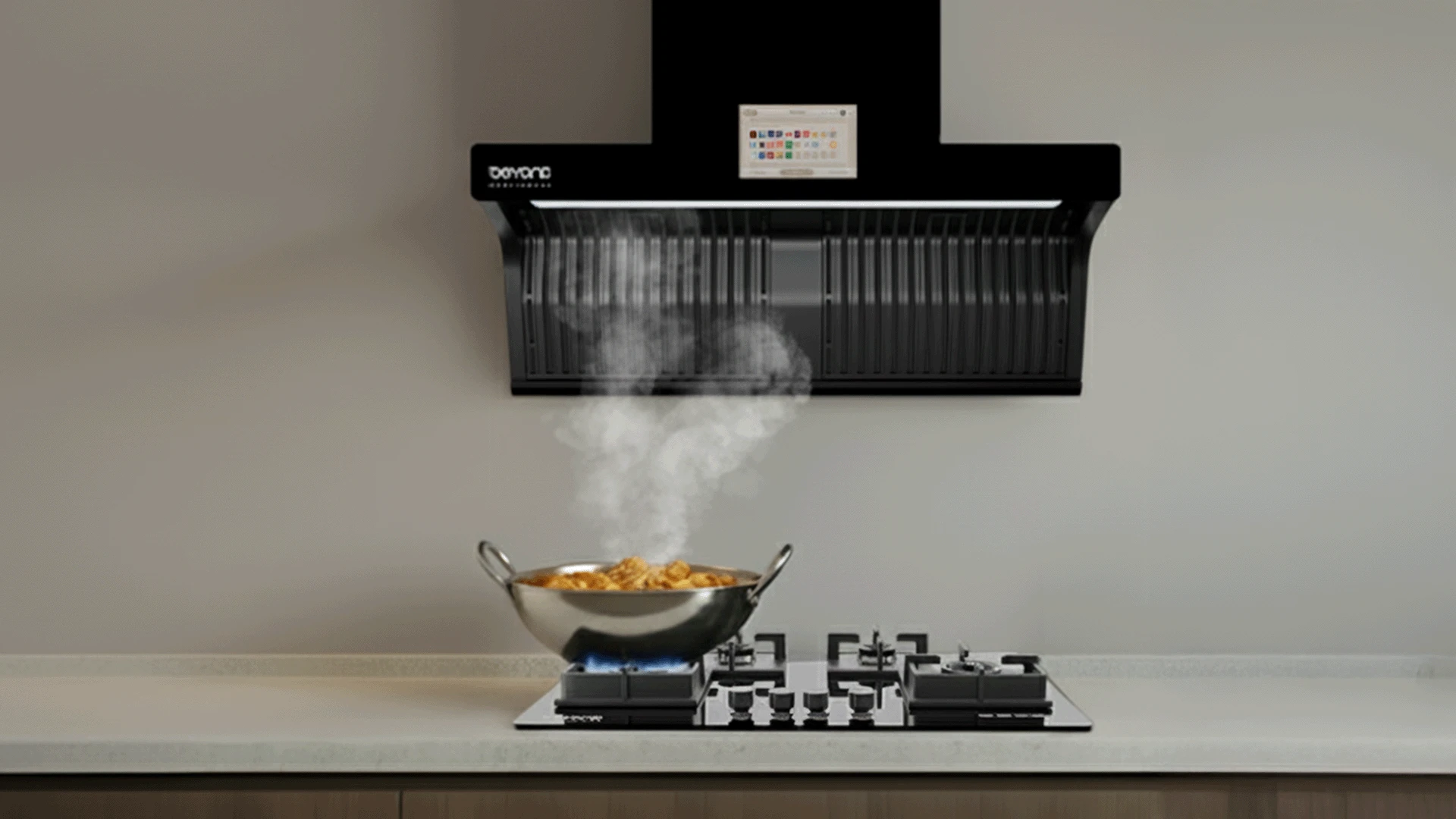
Proper oil usage chimney efficiency can transform your kitchen experience while reducing energy costs significantly. Modern cooking methods often involve heavy oil usage, creating smoke, grease, and odors that require effective ventilation systems. Understanding how to optimize your chimney's performance ensures better fuel efficiency and creates a healthier cooking environment. Whether you're using gas stoves, cooktops, or traditional heating systems, the right chimney setup maximizes combustion efficiency while minimizing energy waste.
Oil usage chimney efficiency refers to how effectively your ventilation system removes cooking byproducts while consuming minimal energy. This concept directly impacts both oil consumption patterns in your kitchen and overall heating oil usage in residential systems. The connection between proper ventilation and fuel efficiency becomes evident when you consider that inadequate chimney performance can lead to 80-90% heat loss in heating systems. Key performance indicators include CFM (Cubic Feet per Minute) ratings, suction power measured in m³/hr, and overall combustion efficiency. For kitchen applications, chimneys typically require 600-1200 m³/hr suction capacity depending on cooking intensity. Gas stoves and cooktops generate different ventilation demands compared to oil-based heating systems, making proper sizing crucial for optimal performance. Many homeowners mistakenly believe that higher suction power always equals better efficiency. However, the relationship between chimney performance and energy consumption requires careful balance. Oversized systems waste electricity, while undersized units fail to provide adequate ventilation, leading to increased oil consumption and poor indoor air quality.
Effective chimney draft forms the foundation of any efficient oil-burning system. Proper draft ensures complete combustion, reducing stove oil consumption while maximizing heat output. The draft mechanism works by creating negative pressure that draws combustion air through the system and exhausts byproducts safely outdoors. Combustion air supply systems must provide adequate oxygen for complete fuel burning. Insufficient air supply leads to incomplete combustion, increasing oil consumption and creating dangerous carbon monoxide buildup. Modern chimneys incorporate adjustable air intake controls that optimize the air-to-fuel ratio for maximum fuel efficiency.
High-quality filter systems capture grease particles and oil vapors before they enter the exhaust system. Baffle filters work exceptionally well for heavy cooking applications, while cassette filters suit moderate usage patterns. Regular filter maintenance ensures consistent chimney performance and prevents efficiency degradation.
Advanced temperature sensors automatically adjust fan speeds based on cooking intensity. This smart control reduces unnecessary energy consumption while maintaining optimal ventilation. Variable speed motors consume 100-400W depending on operational requirements, significantly impacting overall fuel efficiency.
Calculating proper suction power requires understanding your cooking habits and kitchen layout. Heavy oil cooking demands minimum 300-400 CFM capacity, while moderate cooking needs 200-300 CFM. Indian cooking styles, which often involve high-heat oil preparation, benefit from 800-1200 m³/hr suction capacity for effective smoke and odor removal. Kitchen ventilation systems must balance powerful suction with energy efficiency. T-shaped chimneys excel in corner installations, while curved designs suit island cooktops. Slant or inclined chimneys work well in compact kitchens where space constraints limit traditional installations.
Light cooking (steaming, boiling): 200-250 CFM Moderate cooking (sautéing, grilling): 250-350 CFM Heavy cooking (deep frying, high-heat preparation): 350-450 CFM Commercial-style cooking: 450+ CFM
Modern chimneys consume 100-400W during operation, with LED lighting adding minimal energy usage. Ductless chimneys offer installation flexibility but require more frequent filter maintenance. Proper sizing prevents energy waste while ensuring adequate ventilation performance.
Heating systems require annual maintenance to maintain optimal combustion efficiency. Professional inspections identify draft problems, combustion air restrictions, and heat exchanger issues that increase heating oil usage. Regular cleaning removes soot buildup that reduces heat transfer efficiency. Preventing heat loss through chimney inefficiencies saves substantial fuel costs annually. Proper insulation, draft controls, and combustion air management can improve fuel efficiency by 15-25%. Modern heating systems incorporate electronic controls that optimize burn cycles based on heat demand.
Barometric dampers automatically regulate draft pressure, preventing over-firing that wastes fuel. Combustion air controls ensure proper air-to-fuel ratios throughout the heating cycle. These systems work together to maximize oil burner efficiency while minimizing environmental impact.
Regular burner maintenance, proper nozzle sizing, and clean heat exchangers significantly reduce stove oil consumption. Annual efficiency testing identifies performance degradation before it becomes costly. Professional service ensures optimal combustion and maximum heat output per unit of fuel consumed.
Regular maintenance schedules prevent efficiency degradation and extend equipment life. Kitchen chimneys require monthly filter cleaning for heavy usage, quarterly for moderate cooking. Oil heating systems need annual professional service including combustion analysis and heat exchanger cleaning. Grease and oil buildup reduces chimney performance significantly. Baffle filters should be cleaned every 2-4 weeks depending on cooking frequency. Oil collector trays require weekly emptying during heavy cooking periods. Neglecting maintenance can reduce efficiency by 30-50% within six months.
Oil-fired heating systems require annual professional inspection for safety and efficiency. Certified technicians check combustion efficiency, draft measurements, and heat exchanger condition. Kitchen chimneys benefit from annual professional cleaning to remove stubborn grease deposits and inspect motor components.
Poor suction often indicates clogged filters or blocked exhaust ducts. Excessive noise suggests worn motor bearings or unbalanced fan blades. High energy consumption may result from oversized equipment or control system malfunctions. Regular monitoring helps identify problems before they impact performance significantly.
Heavy oil cooking requires 800-1200 m³/hr suction capacity. This ensures effective removal of smoke, grease vapors, and cooking odors. Consider kitchen size, ceiling height, and cooking frequency when selecting appropriate capacity.
Combustion air supply, proper draft, clean heat exchangers, and correct nozzle sizing impact oil burner efficiency. Annual maintenance maintains optimal performance and prevents efficiency degradation that increases heating oil usage.
Clean filters monthly for heavy cooking, every 6-8 weeks for moderate usage. Clogged filters reduce suction power and increase energy consumption. Regular cleaning maintains optimal chimney performance and extends equipment life.
Properly sized chimneys optimize fuel efficiency by providing adequate ventilation without energy waste. Oversized units consume unnecessary electricity, while undersized systems fail to provide effective ventilation, potentially increasing overall energy costs.
Maximizing oil usage chimney efficiency requires understanding the relationship between proper ventilation and energy consumption. Regular maintenance, appropriate sizing, and quality components ensure optimal performance while minimizing operating costs. Whether managing kitchen ventilation for cooking applications or optimizing heating systems, proper chimney performance significantly impacts both comfort and efficiency. Investing in quality equipment and professional maintenance delivers long-term benefits through reduced oil consumption and improved indoor air quality.
