

Kitchen Odor Busters: Your Complete Cleanup List
Kitchen odors can transform your cooking sanctuary into an unwelcome space, lingering long after meals are finished. From the pungent smell of fish to the stubborn aroma of fried foods, kitchen odor management becomes essential for maintaining a fresh, inviting home environment. Whether you're dealing with persistent cooking smells or seeking preventive measures, understanding effective odor elimination strategies can make all the difference. This comprehensive checklist covers everything from immediate solutions to long-term prevention methods, helping you tackle kitchen smells with confidence. From natural remedies to advanced ventilation techniques, you'll discover practical approaches that work for every budget and kitchen setup.
Kitchen odors stem from various sources, each requiring specific approaches for effective elimination. Food smells can penetrate surfaces, fabrics, and even walls, creating persistent aromatic challenges that standard cleaning methods often fail to address completely.
The most common culprits include cooking oils that become airborne during frying, protein-based foods like fish and meat that release strong compounds when heated, and spices that can linger in the air for hours. Understanding these sources helps you target your kitchen odor management efforts more effectively.
Different cooking techniques produce varying levels of odor intensity. High-heat methods like frying, grilling, and searing typically generate the strongest smells due to oil splatter and protein breakdown.
Improperly stored ingredients, overripe produce, and forgotten leftovers contribute significantly to ongoing kitchen odor problems that compound over time.
Garbage disposals, dishwashers, and refrigerators can harbor bacteria and food particles, creating persistent smell sources that require regular maintenance attention.
When strong cooking odors strike, quick action prevents them from settling into your kitchen's surfaces and fabrics. This immediate response checklist focuses on getting rid of food smells before they become embedded problems.
Start by opening windows and doors to create cross-ventilation, allowing fresh air to circulate and push odorous air outside. Turn on all available exhaust fans, including range hoods and bathroom fans, to maximize air movement throughout your home.
Place bowls of white vinegar around the kitchen to neutralize airborne odors
Scatter activated charcoal bags near cooking areas for immediate odor absorption
Use coffee grounds in shallow dishes as natural odor absorbers
Deploy baking soda in open containers throughout the space
Wipe down all surfaces with a vinegar-water solution
Clean stovetops and counters with lemon juice for natural deodorizing
Address fabric items like curtains and towels with fabric refresher sprays
Natural odor absorbers offer effective, chemical-free alternatives for maintaining fresh kitchen air without introducing artificial fragrances or potentially harmful compounds. These solutions work by neutralizing odor molecules rather than simply masking them with stronger scents.
Activated charcoal stands out as one of the most powerful natural options, capable of absorbing odors, moisture, and even some airborne toxins. Place activated charcoal bags in problem areas and replace them every 2-3 months for optimal effectiveness.
Fresh herbs like mint, basil, and rosemary naturally purify air while adding pleasant aromas
Indoor plants such as spider plants and peace lilies filter air and absorb odors
Essential oil diffusers with eucalyptus or tea tree oil provide antimicrobial benefits
White vinegar in shallow bowls neutralizes alkaline odors effectively
Baking soda boxes placed strategically absorb acidic smells
Fresh citrus peels release natural oils that combat cooking odors
Vanilla extract on cotton balls creates pleasant, food-safe fragrance
Proper kitchen ventilation forms the foundation of effective odor management, preventing smells from accumulating and spreading throughout your home. A well-designed ventilation system removes odorous air at its source while introducing fresh air to maintain healthy indoor air quality.
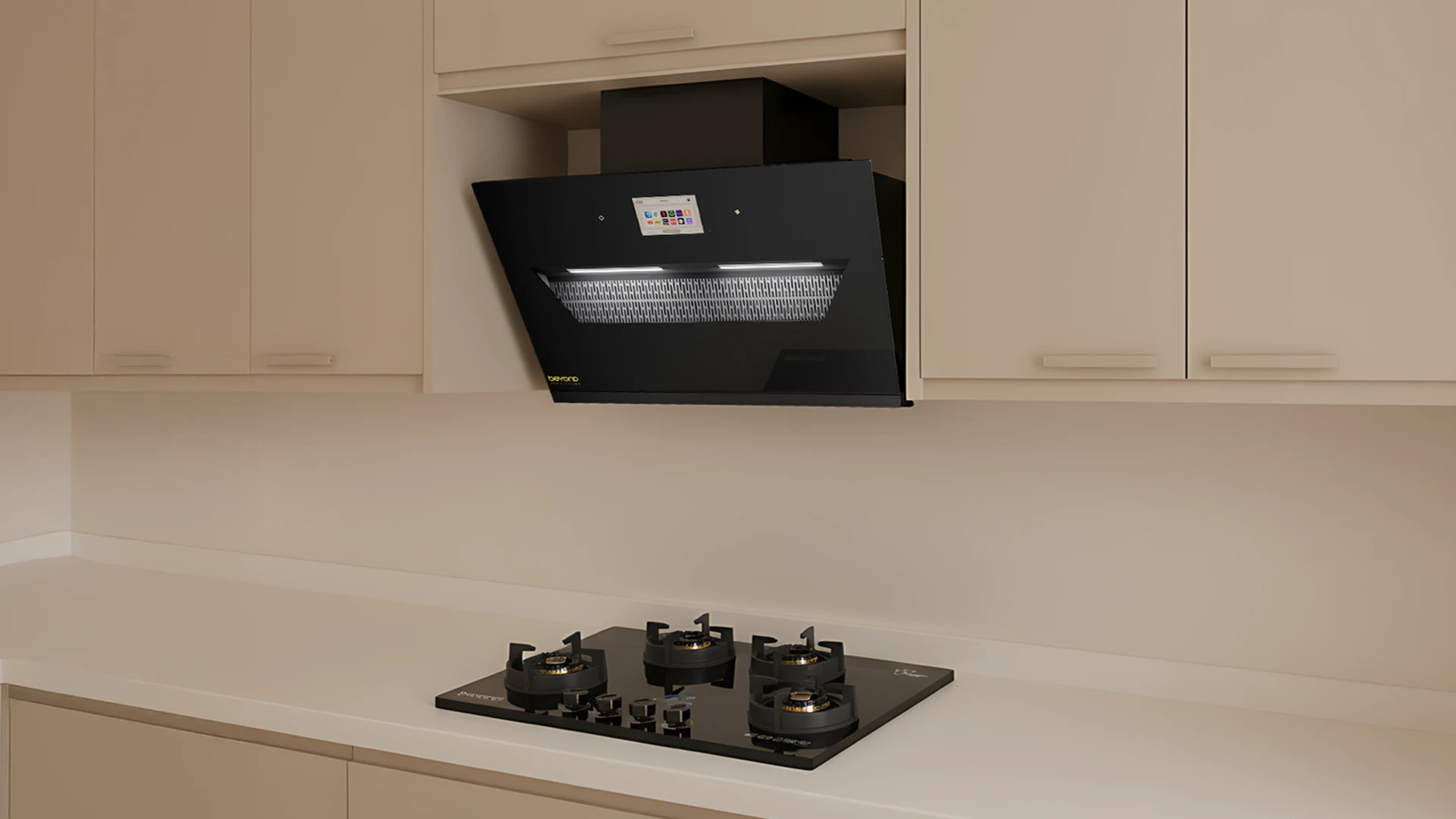
Range hoods should be sized appropriately for your cooking surface, with CFM ratings matching your kitchen's square footage and cooking habits. Position exhaust fans strategically to create airflow patterns that capture odors before they disperse.
Install high-CFM range hoods directly above cooking surfaces
Add ceiling exhaust fans for general air circulation
Consider whole-house ventilation systems for comprehensive air management
Upgrade to variable-speed fans for energy-efficient operation
Open windows on opposite sides of the kitchen for cross-ventilation
Use portable fans to direct air movement toward exhaust points
Install window fans to pull fresh air in and push stale air out
Create air corridors by keeping doorways clear and unobstructed
When natural methods need reinforcement, commercial odor neutralizers provide powerful solutions designed specifically for kitchen environments. Unlike air fresheners that mask odors, true neutralizers break down odor molecules at the molecular level.
Look for products containing enzymes that target specific odor types, such as protein-based smells from meat or oil-based odors from frying. These specialized formulations offer more effective results than generic air fresheners for kitchen applications.
Choose cleaners with protease enzymes for protein odor breakdown
Select lipase-containing products for grease and oil smell elimination
Use multi-enzyme formulations for comprehensive odor treatment
HEPA filter air purifiers remove odor-carrying particles from the air
Activated carbon filters specifically target odor molecules
UV-C light systems eliminate odor-causing bacteria and microorganisms
Ionizing air purifiers neutralize airborne odor compounds
Effective home odor removal doesn't require expensive equipment or professional services. Many household items serve double duty as powerful odor eliminators when used correctly and consistently.
Creating DIY solutions from common ingredients often proves more economical than purchasing specialized products, while providing comparable or superior results for most kitchen odor challenges.
White vinegar costs approximately INR 30-50 per liter and serves multiple odor-fighting purposes
Baking soda at INR 20-40 per kilogram provides versatile odor absorption capabilities
Activated charcoal bags priced around INR 200-400 last several months with proper care
Essential oils starting at INR 150-300 per bottle create custom air freshening blends
Use existing fans strategically instead of purchasing new ventilation equipment
Create homemade air purifiers using box fans and furnace filters
Repurpose containers for odor-absorbing material placement throughout the kitchen
Cooking odors can persist for 2-24 hours depending on the food type, cooking method, and ventilation. Fish and fried foods tend to linger longest, while properly ventilated kitchens clear odors within 2-4 hours.
White vinegar bowls placed around the kitchen neutralize sulfur compounds from garlic and onions effectively. Additionally, wiping surfaces with lemon juice and running the garbage disposal with ice and citrus peels helps eliminate lingering odors.
Replace activated charcoal bags every 2-3 months for optimal effectiveness. You can reactivate some charcoal products by placing them in direct sunlight for 2-3 hours monthly, extending their useful life.
HEPA air purifiers with activated carbon filters effectively remove odor-carrying particles and neutralize odor molecules. However, they work best as part of a comprehensive odor management strategy including proper ventilation.
Effective kitchen odor management requires a multi-faceted approach combining immediate response techniques, natural solutions, proper ventilation, and long-term prevention strategies. Success depends on understanding odor sources and selecting appropriate elimination methods for each situation.
Natural odor absorbers like activated charcoal, white vinegar, and baking soda provide safe, effective alternatives to chemical products while maintaining healthy kitchen air. Proper ventilation remains the most critical factor in preventing odor accumulation and ensuring fresh kitchen air.
Budget-friendly solutions using common household items often prove as effective as expensive commercial products, making odor management accessible regardless of financial constraints. Regular maintenance and proactive prevention strategies ultimately prove more cost-effective than reactive odor elimination efforts, creating a consistently fresh kitchen environment for your family's enjoyment.
