

Kitchen Chimney Guide: Everything You Need to Know
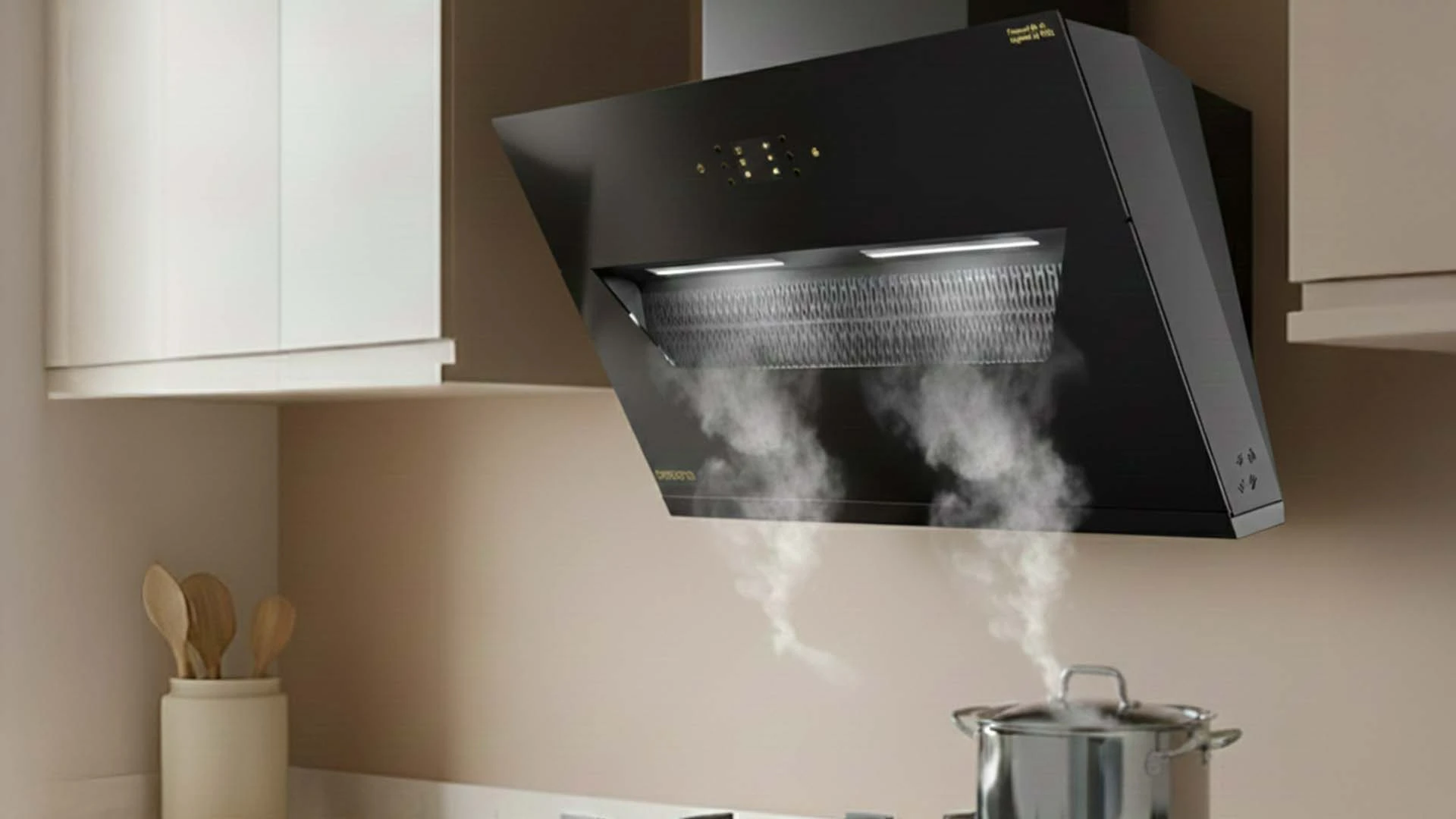
A well-designed kitchen is the heart of every Indian home, but without proper ventilation, cooking can become a challenge. Smoke, grease, and strong aromas from daily cooking can make your kitchen uncomfortable and affect your health. Understanding how to choose a kitchen chimney becomes essential for maintaining a clean, healthy cooking environment. This comprehensive kitchen chimney buying guide will help you make an informed decision that suits your specific needs and budget.
A kitchen chimney, also known as a kitchen exhaust hood, is a ventilation device designed to remove smoke, steam, grease particles, and cooking odors from your kitchen. For Indian cooking styles that involve heavy use of spices, oils, and high-heat cooking methods, proper kitchen ventilation becomes even more critical. The primary function of a smoke absorber for kitchen is to maintain air quality by extracting contaminated air and either filtering it or expelling it outside. This prevents the accumulation of grease on walls, cabinets, and other surfaces while protecting your family from harmful smoke and fumes.
Proper ventilation reduces exposure to cooking-related pollutants that can cause respiratory issues. It also prevents moisture buildup that leads to mold growth and structural damage. A good chimney system ensures your kitchen remains fresh and comfortable during extended cooking sessions.
Understanding the different types of kitchen chimneys helps you choose the right model for your space. Wall-mounted chimneys are the most common choice for standard kitchens, offering excellent suction power and easy installation. Island chimneys work perfectly for kitchen islands, providing 360-degree ventilation coverage. Built-in or integrated chimneys offer a seamless look by blending with your kitchen cabinets. These models are ideal for modern, minimalist kitchen designs where aesthetics matter as much as functionality.
The choice between ducted vs ductless chimney significantly impacts your kitchen's ventilation efficiency and installation requirements. Ducted chimneys expel contaminated air outside through a duct system, providing superior ventilation performance. They work best for heavy cooking and are ideal for Indian kitchens where oil and spice usage is high. Ductless chimneys filter the air and recirculate it back into the kitchen. While they're easier to install and don't require external ducting, they may not be as effective for heavy-duty cooking. However, modern ductless models with advanced filtration technology can still provide adequate ventilation for many households.
Ducted installations require proper planning for ductwork routing and external venting. You'll need to consider building regulations and may require permissions for external modifications. Ductless installations are simpler but require regular filter maintenance to maintain efficiency.
When learning how to choose a kitchen chimney, several critical factors determine the best model for your needs. The size of your kitchen directly influences the suction power requirements and chimney dimensions you'll need. For small kitchens up to 175 square feet, a chimney with 700-1200 cubic meters per hour suction capacity works well. Medium kitchens between 175-200 square feet need 1200-1300 cubic meters per hour, while larger kitchens require 1300-1500 cubic meters per hour or more.
The chimney size for kitchen should match or exceed your cooktop width. A 60cm chimney works for standard 4-burner hobs, while larger cooking surfaces may need 75cm or 90cm models. The height positioning is equally important – maintain 24-30 inches between the hob and chimney for optimal performance.
Traditional baffle filters require regular cleaning but offer excellent grease separation. Cassette filters are easier to clean but may need more frequent replacement. Filterless technology eliminates filter maintenance entirely, making it a convenient choice for busy households. The choice between filter types affects long-term maintenance costs and effort. Consider your cooking frequency and willingness to perform regular maintenance when making this decision.
When researching best kitchen chimney brands, focus on companies with strong service networks and proven reliability. Premium brands often offer advanced features like auto-clean technology, touch controls, and superior build quality. Look for chimneys with noise levels under 50 decibels for comfortable cooking experiences. LED lighting enhances visibility while cooking, and gesture controls add convenience to your daily routine.
Modern chimneys incorporate energy-efficient motors and smart features that optimize performance while reducing power consumption. Some models offer smartphone connectivity, allowing remote control and monitoring of your kitchen ventilation system.
Chimney installation cost varies based on the type of chimney, complexity of ductwork, and local labor rates. Basic wall-mounted chimney installation typically costs between INR 2,000 to INR 5,000, while complex ducted installations may cost INR 5,000 to INR 15,000 or more. Professional installation ensures proper positioning, secure mounting, and optimal performance. Attempting DIY installation may void warranties and compromise safety, especially for ducted systems requiring electrical and structural modifications.
Proper ductwork planning prevents performance issues and ensures efficient operation. The duct path should be as straight as possible with minimal bends. Each bend reduces efficiency, so plan the route carefully during kitchen design or renovation.
Regular kitchen chimney maintenance ensures optimal performance and extends the appliance's lifespan. Clean baffle filters monthly with warm soapy water or in the dishwasher. Replace cassette filters every 3-6 months depending on usage intensity. Monitor suction power regularly – reduced performance often indicates the need for cleaning or filter replacement. Strange noises may signal motor issues or loose components requiring professional attention.
Reduced suction power usually results from clogged filters or blocked ducts. Clean or replace filters first, then check for duct obstructions. Excessive noise may indicate worn motor bearings or loose mounting hardware. If problems persist after basic maintenance, contact professional service technicians. Regular professional servicing every 12-18 months helps prevent major issues and maintains warranty coverage.
Calculate your kitchen volume and multiply by 10-12 for the minimum cubic meters per hour requirement. Consider your cooking style – heavy frying and spice usage require higher suction power.
Ducted chimneys generally perform better for Indian cooking due to higher oil and spice usage. However, high-quality ductless models with advanced filtration can work well if external ducting isn't feasible.
Maintain 24-30 inches between your hob and chimney. This distance ensures effective smoke capture while preventing heat damage to the chimney components.
Clean baffle filters monthly with regular use. Replace cassette filters every 3-6 months. Filterless chimneys require periodic professional cleaning of internal components.
Yes, ductless chimneys work without external ducting by filtering and recirculating air. However, they may be less effective for heavy cooking compared to ducted systems.
Installation complexity, ductwork requirements, electrical modifications, and local labor rates all influence the total cost. Ducted installations typically cost more than ductless setups.
Choosing the right kitchen chimney involves balancing performance, features, and budget considerations. Focus on suction power appropriate for your kitchen size and cooking style. Consider long-term maintenance requirements and installation feasibility when deciding between ducted and ductless options. Invest in quality brands with good service networks and comprehensive warranties. Proper installation and regular maintenance ensure optimal performance and longevity. Remember that a well-chosen chimney not only improves your cooking experience but also protects your health and maintains your kitchen's cleanliness for years to come.
