

Kitchen Chimney Filter Cleaning: Complete FAQ Guide
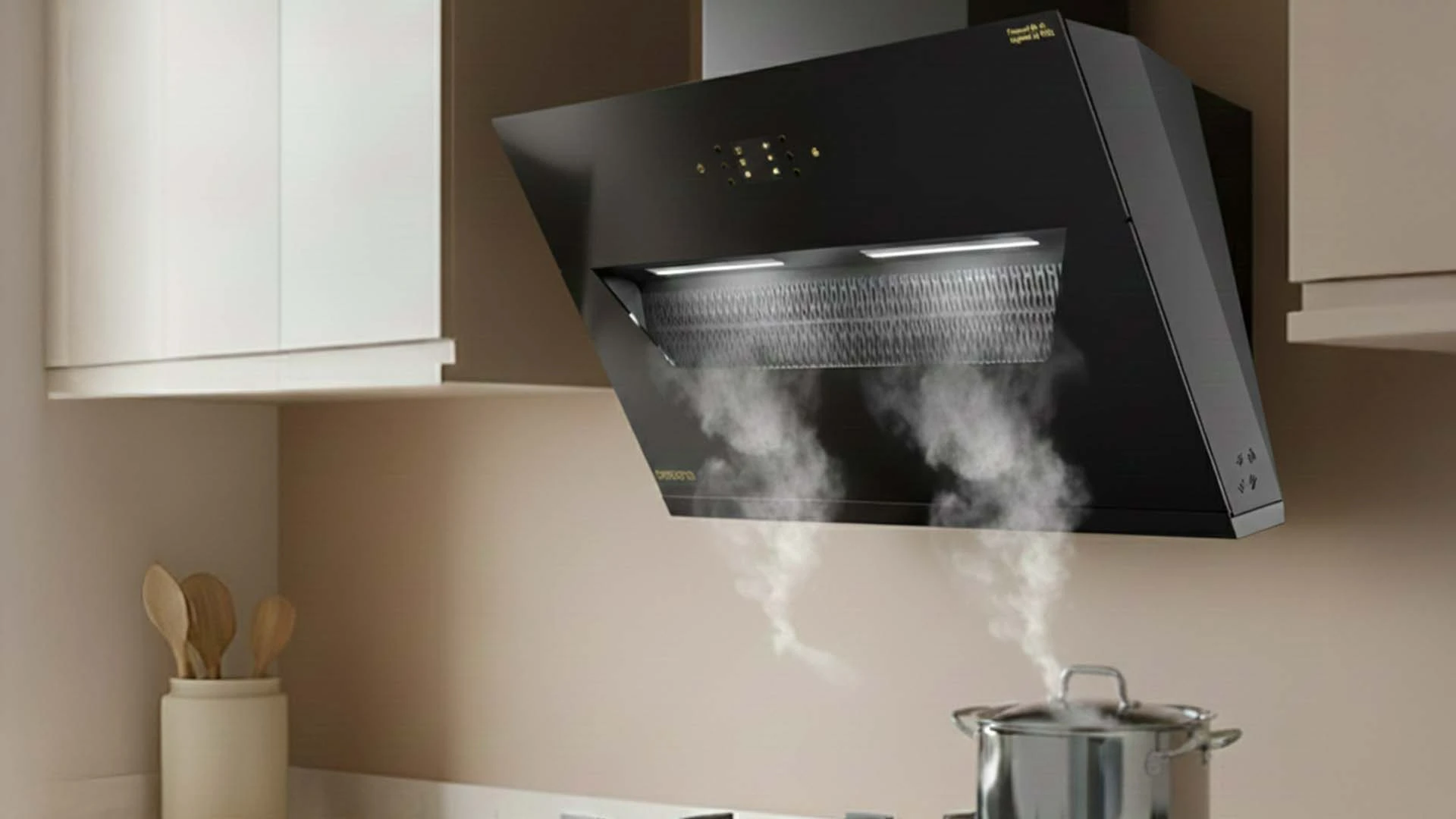
Kitchen chimneys work tirelessly to keep your cooking space fresh and grease-free. However, their filters bear the brunt of daily cooking activities, trapping oil particles, smoke, and food odors. Regular filter cleaning ensures optimal performance and extends your chimney's lifespan. Whether you own an Android chimney, T-shaped model, or curved design, proper maintenance keeps your kitchen environment healthy and your appliance running efficiently. This comprehensive guide covers everything from basic simple chimney filter wash steps to advanced cleaning techniques that restore your filters to like-new condition.
Modern kitchen chimneys use different filter types to capture grease and eliminate odors effectively. Mesh filters feature aluminum or stainless steel construction with fine perforations that trap oil particles. Baffle filters use curved metal plates to create turbulence, separating grease from air through centrifugal force. Charcoal filters absorb odors and work best in ductless chimney systems.
Your filter needs immediate attention when you notice reduced suction power, visible grease buildup, or persistent cooking odors. Heavy cooking with oil-based dishes requires more frequent chimney filter cleaning compared to light cooking methods. Safety should always come first - ensure your chimney is switched off and completely cool before starting any maintenance work.
Most chimneys feature simple clip-on or slide-out filter systems. Look for metal tabs, spring-loaded clips, or sliding mechanisms along the filter edges. Some models require gentle lifting while others need a slight push to release the locking mechanism.
Watch for decreased airflow, visible grease accumulation, unusual noises during operation, or lingering cooking smells. These indicators suggest your filter has reached capacity and requires immediate cleaning for optimal performance.
Effective chimney filter wash requires systematic approach and proper preparation. Start by gathering necessary materials including hot water, dishwashing liquid, soft-bristled brush, and clean towels. Create adequate workspace near your sink with protective covering for surrounding surfaces.
The cleaning process involves three main phases: safe removal, thorough washing, and proper drying. Each step requires attention to detail for best results and filter longevity.
Switch off your chimney and allow complete cooling before attempting filter removal. Locate the filter release mechanism and gently disengage the locking system. Support the filter weight while removing to prevent dropping and potential damage.
Examine grease buildup levels to determine appropriate cleaning method. Light buildup requires basic washing while heavy accumulation needs intensive degreasing chimney filters treatment. Prepare your cleaning solution and workspace accordingly.
Fill a large basin with hot water and add generous amount of dishwashing liquid. Submerge filters completely and allow 15-30 minutes soaking time. Use soft-bristled brush to gently scrub stubborn grease deposits, working in circular motions to avoid damaging filter material.
Heavy grease buildup requires stronger cleaning solutions beyond basic dishwashing liquid. These advanced methods tackle stubborn deposits while preserving filter integrity. Always test cleaning solutions on small areas first to ensure compatibility with your filter material.
Commercial degreasers offer powerful cleaning action but require careful handling and adequate ventilation. Natural alternatives like baking soda and vinegar provide effective grease removal from chimney filters without harsh chemicals.
Mix equal parts baking soda and white vinegar to create powerful natural degreaser. Apply paste to heavily soiled areas and allow 20-minute contact time before scrubbing and rinsing thoroughly.
Use concentrated dishwashing liquid mixed with hot water for intensive cleaning. Add one cup liquid to two liters hot water and soak filters for extended periods up to one hour for maximum effectiveness.
Kitchen-specific degreasers cut through heavy oil buildup quickly. Follow manufacturer instructions carefully and ensure adequate ventilation during use. Rinse filters multiple times to remove all chemical residues.
Complete kitchen chimney maintenance extends beyond filter cleaning to include fan components and housing. Regular attention to these areas ensures optimal performance and prevents mechanical issues. Focus on accessible exterior components while leaving internal motor servicing to professionals.
Clean fan blades using damp cloth and mild detergent solution. Remove accumulated grease from motor housing exterior and inspect ductwork connections for proper sealing and cleanliness.
Wipe down exterior surfaces with damp cloth and mild cleaning solution. Avoid water contact with electrical components and ensure complete drying before reconnecting power supply.
Remove and wash oil collection trays regularly to prevent overflow and odor issues. Use hot soapy water and thorough rinsing to maintain hygiene standards in your kitchen environment.
Establishing regular maintenance routine prevents heavy buildup and extends filter lifespan significantly. Chimney cleaning tips include monthly light cleaning for frequent cooking and deep cleaning every three months for optimal performance. Seasonal maintenance checks ensure all components function properly year-round.
Document cleaning dates and filter condition to track performance patterns. This information helps determine optimal cleaning frequency for your specific cooking habits and chimney model.
Monthly maintenance involves quick filter rinse and exterior wipe-down. Deep cleaning requires complete filter soaking, thorough scrubbing, and comprehensive component inspection for optimal results.
Replace mesh filters when cleaning no longer restores proper airflow. Charcoal filters typically need replacement every 6-12 months depending on usage frequency and cooking intensity levels.
The simplest method involves soaking filters in hot water mixed with dishwashing liquid for 20-30 minutes, followed by gentle scrubbing with soft brush. This approach effectively removes most grease buildup without special equipment or harsh chemicals.
Clean mesh filters monthly for regular cooking or bi-weekly for heavy oil-based cooking. Deep cleaning every three months maintains optimal performance and prevents permanent grease staining that reduces filter effectiveness.
Yes, common household items work excellently for how to clean chimney filter maintenance. Baking soda, white vinegar, dishwashing liquid, and hot water create effective cleaning solutions without expensive commercial products.
Mesh filters require soaking and scrubbing, baffle filters need thorough degreasing with commercial cleaners, and charcoal filters should be replaced rather than cleaned. Each type demands specific care methods for optimal results.
Replace filters when cleaning fails to restore proper airflow, visible damage appears, or persistent odors remain after thorough cleaning. Mesh filters showing holes or severe corrosion require immediate replacement for safety.
Most aluminum and stainless steel mesh filters are dishwasher-safe on heavy-duty cycle. However, check manufacturer guidelines first and avoid dishwasher cleaning for filters with special coatings or electronic components.
Use appropriate cooking methods, operate chimney during and after cooking, clean oil trays regularly, and inspect filters weekly for early buildup detection. These practices maintain kitchen hygiene and extend cleaning intervals.
Regular chimney care through proper filter cleaning maintains optimal performance and extends appliance lifespan. The simple chimney filter wash steps outlined here provide effective maintenance solutions for all chimney types. Remember that consistent monthly cleaning prevents heavy buildup requiring intensive treatment methods. Whether you own Android chimneys, T-shaped models, or curved designs, these techniques ensure your kitchen remains fresh and your investment protected. Professional servicing complements regular home maintenance for comprehensive chimney care and optimal cooking environment quality.
