

Install Your Kitchen Chimney: Easy Step Guide
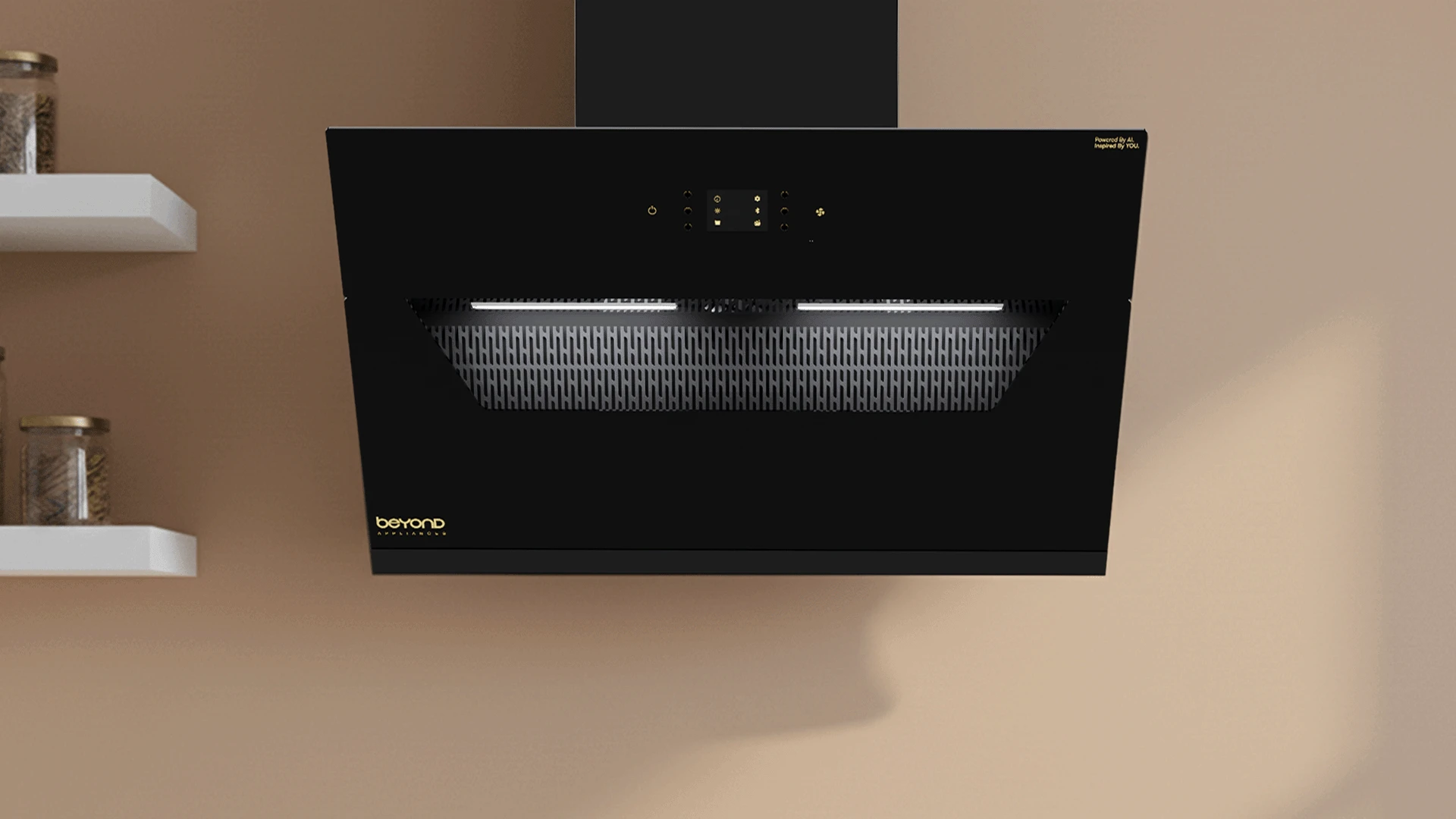
Installing a kitchen chimney might seem daunting, but with the right guidance, you can save thousands on installation costs while ensuring proper ventilation for your cooking space. Modern affordable kitchen chimney units come with user-friendly designs that make DIY installation achievable for most homeowners. This comprehensive guide walks you through every step of the installation process, from selecting the right type to final testing. Whether you're working with a wall mounted chimney, ductless chimney, or island chimney, proper installation ensures optimal performance and longevity. With kitchen chimney prices ranging from INR 5,000 to INR 50,000, understanding installation basics helps you make informed decisions and protect your investment.
Choosing the right kitchen chimney depends on your kitchen layout, cooking habits, and budget constraints. Affordable kitchen chimney units under INR 15,000 offer excellent value without compromising essential features. The market offers various types including range hood models, ventilation hood systems, and compact cooker hood designs suitable for different kitchen configurations.
Wall mounted chimney units represent the most popular and budget-friendly option for Indian kitchens. These models attach directly to the wall above your cooking surface, offering excellent suction power at competitive prices. Installation costs remain lower due to simpler mounting requirements and standard electrical connections. Island chimney models suit open kitchen designs where the cooking area sits away from walls. While slightly more expensive, these units provide 360-degree ventilation coverage and create striking visual focal points in modern kitchen designs.
Ductless chimney systems work perfectly for rental properties or homes where external ducting proves challenging. These units use advanced filtration technology to clean and recirculate air, eliminating the need for complex ductwork installation. The recirculation system makes them ideal for apartments and condominiums with building restrictions.
Quality affordable kitchen chimney units include auto-clean functions, LED lighting, and multiple speed settings. Look for models with baffle filters, which offer superior grease separation compared to cassette filters. Energy-efficient motors reduce long-term operating costs while maintaining excellent suction performance.
Proper planning prevents installation mistakes and ensures optimal kitchen ventilation performance. Accurate measurements determine the right chimney size and mounting position for maximum efficiency. Standard kitchen exhaust fan installations require specific clearances and electrical considerations that vary by model type. Measure the distance between your cooking surface and ceiling to determine suitable chimney height. Most manufacturers recommend 24-30 inches clearance between the cooktop and chimney bottom for gas stoves, and 20-24 inches for electric cooktops.
Select chimney width based on your cooktop size and cooking volume. For standard 2-3 burner gas stoves, 60cm chimneys provide adequate coverage. Larger 4-5 burner cooktops require 90cm models for complete smoke and odor capture. The chimney should extend slightly beyond the cooktop edges for optimal performance.
Identify wall studs or solid mounting points capable of supporting the chimney weight. Most range hood units weigh 15-25 kg, requiring secure mounting into structural elements. Mark electrical outlet locations and ensure adequate clearance for control panels and maintenance access.
For ducted models, plan the shortest possible route to external walls or roof vents. Minimize bends and turns in ductwork to maintain suction power. Each 90-degree bend reduces efficiency by approximately 10-15%, so straight runs work best for optimal kitchen ventilation.
Successful chimney installation requires specific tools and materials readily available at hardware stores. Professional-grade results come from using proper equipment and taking time for precise measurements. Most installations cost INR 2,000-5,000 in materials, significantly less than professional installation fees. Gather a drill with masonry bits, level, measuring tape, screwdriver set, and wire strippers for electrical connections. Safety equipment includes safety glasses, work gloves, and a sturdy ladder or step stool for overhead work.
A hammer drill with 8-10mm masonry bits handles concrete and brick walls effectively. Stud finder helps locate wooden framework in drywall installations. Digital multimeter ensures safe electrical connections and proper voltage verification before connecting power.
Concrete walls require expansion bolts or concrete anchors rated for the chimney weight. Drywall installations need toggle bolts or molly bolts for secure mounting. Brick walls work best with masonry screws or chemical anchors for maximum holding power.
Electrical safety requires non-contact voltage testers, insulated tools, and proper circuit breakers. Most kitchen chimney units operate on standard 15-amp household circuits, but verify electrical requirements before beginning installation work.
Installing affordable kitchen chimney units follows a systematic process ensuring safety and optimal performance. Begin by turning off electrical power at the circuit breaker and gathering all tools and materials. Careful attention to manufacturer specifications prevents common installation errors that affect long-term operation. Start by marking the mounting bracket position using the provided template. Use a level to ensure perfectly horizontal alignment, as crooked installation affects both appearance and performance. Double-check measurements before drilling any holes.
Position the mounting template at the measured height and mark screw holes with a pencil. Use a center punch to create starter dimples for drill bits, preventing bit wandering on hard surfaces. Drill pilot holes slightly smaller than the mounting screws for secure attachment.
Install mounting brackets using appropriate fasteners for your wall type. Tighten screws gradually in a cross pattern to distribute load evenly. Test bracket stability before hanging the chimney unit. Most range hood models include safety cables as backup support during installation.
Attach ductwork using metal clamps and aluminum tape for airtight seals. Insulate ducts running through unconditioned spaces to prevent condensation. Support long duct runs with metal strapping every 4-6 feet to prevent sagging and maintain proper airflow.
Connect electrical wiring according to manufacturer diagrams and local electrical codes. Use wire nuts for secure connections and wrap with electrical tape. Install a dedicated switch for chimney control, typically mounted 48-52 inches above floor level for convenient access.
Ductless chimney installation eliminates complex ductwork while providing effective kitchen ventilation through advanced filtration systems. These units recirculate cleaned air back into the kitchen, making them perfect for apartments and homes without external venting options. Island chimney models require ceiling mounting and additional structural support considerations. Recirculation systems use multiple filter stages including grease filters, carbon filters, and sometimes HEPA filters for comprehensive air cleaning. Regular filter maintenance ensures continued effectiveness and prevents motor strain from restricted airflow.
Ductless chimney units mount similarly to ducted models but include internal recirculation pathways. Install carbon filters according to manufacturer specifications, ensuring proper airflow direction. These filters require replacement every 3-6 months depending on cooking frequency and food types.
Island chimney installation requires ceiling joists or additional structural support for safe mounting. Use ceiling mount brackets rated for the unit weight plus safety margin. Install electrical connections through ceiling cavity, following local electrical codes for overhead installations.
Position filters with proper spacing for unrestricted airflow through the system. Baffle filters should align with cooking surface edges for optimal grease capture. Carbon filters in ductless systems need clear air pathways for effective odor removal and recirculation.
Proper testing ensures your kitchen chimney operates at peak efficiency and identifies potential issues before they become problems. Performance testing includes suction power verification, noise level assessment, and electrical safety checks. Most installation problems stem from improper mounting, electrical connections, or ductwork restrictions. Test all speed settings and lighting functions before completing installation. Check for unusual vibrations or noises that might indicate loose mounting or unbalanced fan blades. Proper installation should result in quiet operation even at maximum speed settings.
Test suction power using tissue paper or lightweight materials near the intake area. Strong airflow should easily capture and draw materials toward the filters. Weak suction often indicates ductwork restrictions, dirty filters, or electrical issues requiring immediate attention.
Excessive noise usually results from loose mounting screws, unbalanced fan blades, or vibrating ductwork. Tighten all connections and ensure proper clearances around moving parts. Poor suction performance often stems from blocked ducts, dirty filters, or inadequate electrical supply to the motor.
Verify all electrical connections are secure and properly insulated. Test GFCI protection if installed in the circuit. Ensure adequate clearance around the unit for maintenance access and proper ventilation of electrical components.
Regular maintenance protects your investment in affordable kitchen chimney units and ensures continued efficient operation. Proper care extends equipment life and maintains optimal kitchen ventilation performance. Simple monthly maintenance tasks prevent expensive repairs and maintain manufacturer warranty coverage. Clean grease filters monthly or after every 30-40 hours of cooking time. Dirty filters reduce suction power and strain the motor, leading to premature failure. Most baffle filters are dishwasher safe, making cleaning convenient and thorough.
Remove and clean grease filters using warm soapy water or dishwasher cycles. Wipe down exterior surfaces with appropriate cleaners for the finish type. Clean the interior fan housing quarterly to remove accumulated grease and debris that affects performance.
Replace carbon filters in ductless chimney systems every 3-6 months depending on usage. Stock replacement filters to avoid gaps in filtration effectiveness. Quality replacement filters cost INR 500-1,500, much less than motor repairs from dirty filter damage.
Schedule annual professional inspections for ducted systems to check ductwork integrity and motor condition. Keep manufacturer documentation and warranty information for future service needs. Address minor issues promptly to prevent major repairs and maintain optimal kitchen exhaust fan performance.
DIY installation costs INR 2,000-5,000 in materials and tools. Professional installation typically costs INR 3,000-8,000 depending on complexity and location. Affordable kitchen chimney units under INR 15,000 offer excellent value when properly installed.
Yes, most wall mounted chimney models are designed for DIY installation with basic tools and electrical knowledge. Follow manufacturer instructions carefully and consult professionals for complex electrical or structural modifications.
Choose chimney width based on cooktop size: 60cm for 2-3 burner stoves, 90cm for 4-5 burner cooktops. The range hood should extend slightly beyond cooktop edges for complete coverage.
Ductless chimney systems effectively remove grease and odors through advanced filtration but don't remove heat and humidity like ducted models. They work excellently for apartments and homes without external venting options.
Clean grease filters monthly or after 30-40 hours of cooking. Replace carbon filters in ductless systems every 3-6 months. Regular cleaning maintains suction power and prevents motor strain.
Auto-clean chimneys use heat or oil collection systems to reduce manual cleaning frequency. Manual models require regular filter cleaning but cost less initially. Both types need periodic maintenance for optimal performance.
Island chimney installation requires adequate ceiling height and structural support. Small kitchens may benefit more from wall mounted chimney units that don't obstruct movement or sight lines.
Select based on cooktop size and cooking volume. 60cm models suit standard 2-3 burner setups, while 90cm units handle larger cooktops and heavy cooking better. Consider kitchen size and chimney price when deciding.
Installing affordable kitchen chimney units yourself saves significant money while ensuring proper kitchen ventilation for your cooking space. Success depends on careful planning, proper tools, and following manufacturer specifications throughout the process. Whether choosing a wall mounted chimney, ductless chimney, or island chimney, proper installation techniques ensure optimal performance and longevity. Regular maintenance protects your investment and maintains efficient operation for years to come. With chimney price options starting under INR 10,000, quality kitchen exhaust fan systems are accessible for every budget and kitchen design.
