

How to Use Chimney Cleaning Liquid for a Spotless Fireplace
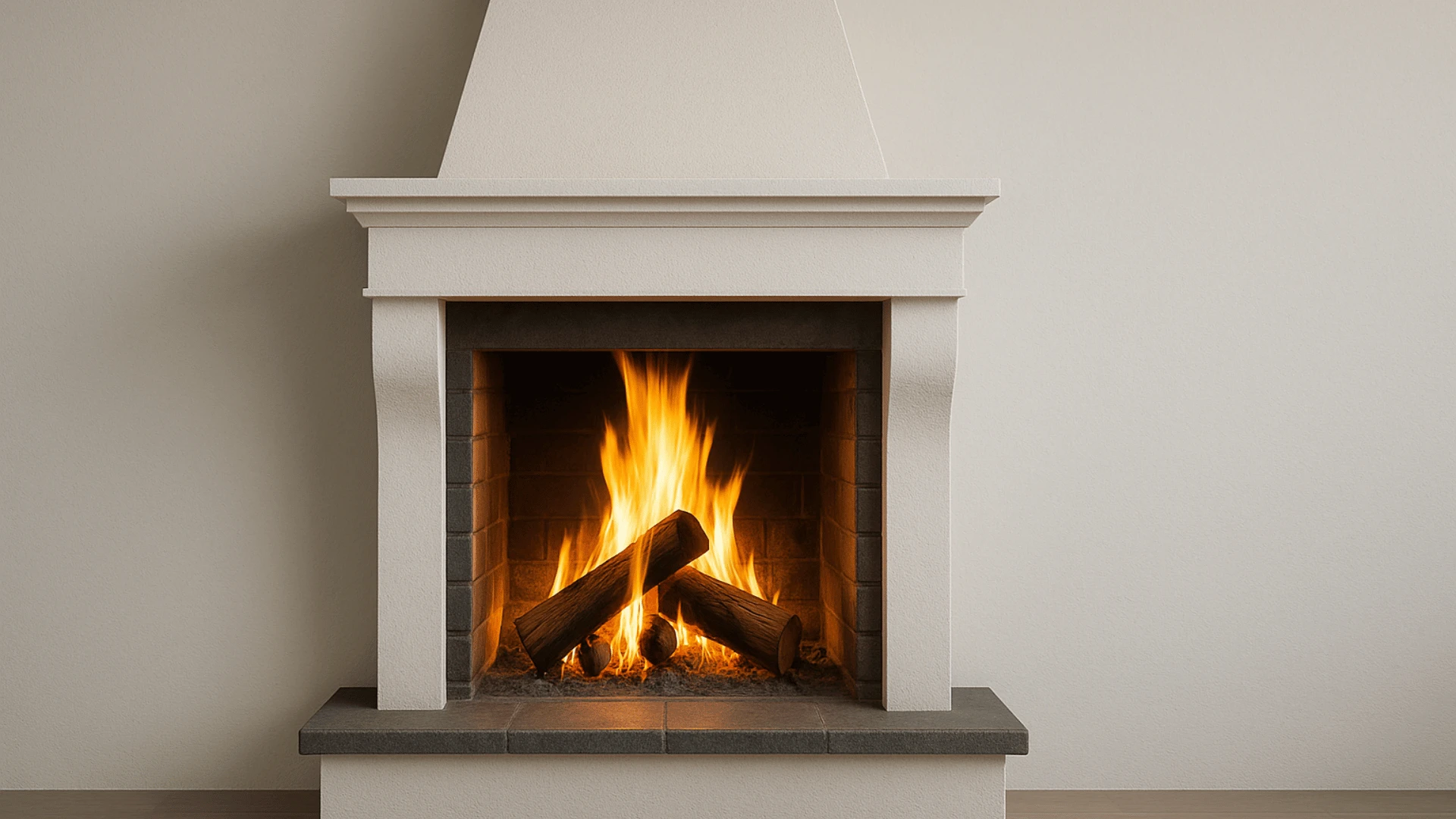
Keeping your chimney clean is essential for safety and performance. Soot and grease buildup can pose serious fire hazards and reduce efficiency. A quality chimney cleaning liquid makes this crucial maintenance task much easier. This comprehensive guide will walk you through everything you need to know about using chimney cleaning solutions effectively. You'll learn about different types of cleaners, proper application techniques, and safety considerations for maintaining a spotless fireplace.
A chimney cleaning liquid is a specialized solution designed to break down soot, grease, and tar deposits that accumulate inside your chimney. These powerful formulas contain surfactants and solvents that dissolve stubborn residues without damaging your chimney's structure.
Several types of fireplace cleaning solution options are available. Alkaline-based cleaners work well for general maintenance cleaning. Acid-based formulas tackle heavy soot buildup effectively. Enzyme-based solutions offer eco-friendly cleaning power for regular maintenance.
Most chimney cleaning detergent products contain specific ingredients for optimal results. Surfactants reduce surface tension, allowing the cleaner to penetrate deep into soot layers. Solvents dissolve tar and grease deposits. Emulsifiers help suspend dirt particles for easy removal.
Always prioritize safety when working with fireplace cleaning chemicals. Ensure proper ventilation in the work area. Wear protective gloves, eyewear, and clothing. Read all product labels carefully before application. Never mix different cleaning products together.
Selecting the proper chimney cleaning formula depends on several factors. Consider your chimney's material, the severity of buildup, and your cleaning frequency preferences.
Look for products with proven cleaning agents. Sodium hydroxide effectively breaks down organic deposits. Phosphoric acid removes mineral buildup safely. Biodegradable surfactants provide excellent cleaning power while being environmentally responsible.
For regular maintenance, choose a mild fireplace soot remover with balanced pH levels. Heavy-duty cleaning requires stronger formulations with higher active ingredient concentrations. Multi-surface cleaners work well for chimneys with various materials.
Commercial chimney cleaning product options offer consistent results and proven effectiveness. Natural alternatives like vinegar-based solutions provide gentler cleaning action. Consider your specific needs and environmental preferences when choosing.
Proper preparation ensures safe and effective cleaning results. Follow these detailed steps for optimal performance when using your chosen fireplace cleaning liquid.
Gather all necessary safety equipment before starting. Install proper ventilation or fans in the work area. Remove furniture and cover surfaces near the fireplace. Ensure you have adequate lighting for detailed work.
Cover surrounding areas with plastic sheeting or drop cloths. Use painter's tape to secure protective coverings. Remove any decorative items from the mantel area. Place absorbent materials near the work zone.
Apply the chimney cleaning solution using appropriate tools for your chimney type. For straight chimneys, use spray bottles for even coverage. Curved or angled chimneys may require brush application. Always work from top to bottom when possible.
Follow manufacturer instructions for proper dilution ratios. Start with recommended concentrations and adjust if needed. Allow adequate contact time for the cleaner to work effectively. Most products require 10-15 minutes of contact time.
Stubborn deposits require specialized approaches beyond basic cleaning methods. These advanced techniques help achieve professional-level results with your soot removal liquid.
Heavy soot accumulation needs extra attention and stronger solutions. Apply the cleaner multiple times if necessary. Use soft-bristled brushes to agitate stubborn deposits gently. Allow longer contact times for heavily soiled areas.
Regular cleaning prevents heavy buildup and extends chimney life. Schedule monthly light cleaning sessions during active fireplace seasons. Use milder formulations for frequent maintenance cleaning. Monitor soot accumulation patterns to adjust cleaning frequency.
Combine your cleaning liquid with appropriate tools for best results. Chimney brushes help scrub away loosened deposits. Vacuum systems remove debris effectively. Extension poles allow safe cleaning of hard-to-reach areas.
Determine when professional help is necessary for your situation. Complex chimney systems may require expert cleaning services. DIY cleaning works well for regular maintenance and minor buildup. Consider annual professional inspections regardless of your cleaning approach.
Understanding common errors helps ensure safe and effective cleaning results. Avoid these mistakes when using any fireplace cleaning solution for optimal outcomes.
Using too much product wastes cleaner and may cause damage. Insufficient contact time reduces cleaning effectiveness. Applying cleaner to hot surfaces can be dangerous. Always ensure surfaces are cool before cleaning.
Never mix different cleaning products together without checking compatibility. Some combinations create harmful fumes or reduce effectiveness. Stick to one product type per cleaning session. Rinse thoroughly between different product applications.
Test cleaners on inconspicuous areas first to check compatibility. Avoid abrasive scrubbing on delicate surfaces. Use appropriate brush types for different chimney materials. Remove cleaning residues completely to prevent staining.
Environmental consciousness drives many homeowners toward natural cleaning solutions. These alternatives provide effective cleaning while reducing chemical exposure and environmental impact.
Create effective cleaners using common household ingredients. Mix equal parts white vinegar and warm water for light cleaning. Add baking soda for extra scrubbing power on stubborn deposits. Lemon juice provides natural degreasing properties.
Natural ingredients often cost less than commercial products. Bulk purchasing of basic ingredients reduces long-term costs. Simple recipes eliminate packaging waste and transportation costs. Many natural cleaners serve multiple household purposes.
Natural cleaners work well for regular maintenance cleaning. Commercial products excel at heavy-duty cleaning tasks. Combine both approaches for optimal results and environmental responsibility. Adjust expectations based on cleaning challenges.
Consistent maintenance prevents major cleaning challenges and extends your chimney's lifespan. Develop a regular cleaning schedule that fits your fireplace usage patterns.
Clean monthly during active fireplace seasons for best results. Light cleaning every two weeks prevents heavy buildup. Annual deep cleaning addresses accumulated deposits thoroughly. Adjust frequency based on usage patterns and wood types.
Watch for indicators that immediate cleaning is necessary. White staining on exterior chimney walls suggests moisture problems. Strong odors indicate excessive creosote buildup. Poor fire performance may signal blocked passages.
Schedule annual inspections even with regular DIY cleaning. Complex repairs require professional expertise and specialized tools. Safety concerns should always prompt professional evaluation. Documentation helps track maintenance history effectively.
The best chimney sweep liquid depends on your specific cleaning needs. For regular maintenance, alkaline-based cleaners work effectively. Heavy soot buildup requires stronger acid-based formulations. Always choose products specifically designed for chimney cleaning to ensure safety and effectiveness.
Clean your chimney monthly during active use seasons with a mild fireplace cleaning solution. Perform deep cleaning annually or after burning one cord of wood. Heavy users may need more frequent cleaning to maintain safety and efficiency.
Avoid using regular household cleaners on chimneys. These products aren't designed for soot and creosote removal. Standard cleaners may damage chimney materials or create safety hazards. Always use products specifically formulated for chimney cleaning.
Chemical chimney cleaning detergent products are safe when used properly. Follow all manufacturer instructions carefully. Ensure adequate ventilation during cleaning. Store products safely away from children and pets. Consider natural alternatives if you have sensitivity concerns.
Quality chimney cleaning products typically cost between INR 500 to INR 1,500 per bottle. Professional-grade formulations may cost more but offer superior cleaning power. Consider cost per use rather than initial price for better value assessment.
Regular chimney cleaning with quality products ensures safety and optimal fireplace performance. Choose the right chimney cleaning liquid based on your specific needs and cleaning frequency. Proper application techniques and safety precautions are essential for effective results. Combine regular maintenance with annual professional inspections for comprehensive chimney care. Remember that consistent cleaning prevents major problems and extends your chimney's lifespan significantly.
