

How to Upgrade Your Kitchen Ventilation System
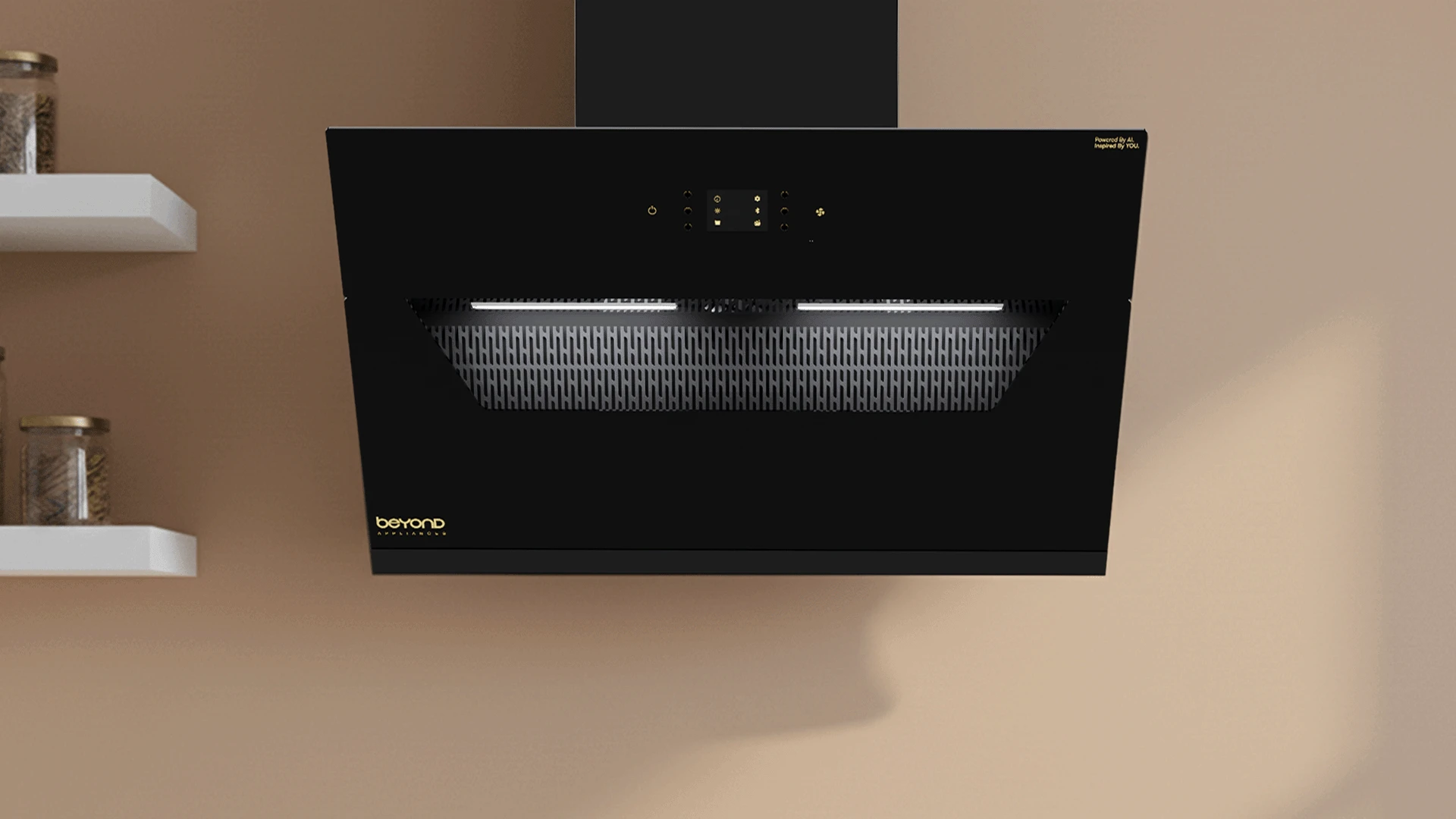
Modern kitchens face a silent challenge that affects both health and comfort: poor air quality from cooking activities. As cooking methods evolve and homes become more energy-efficient, the need for advanced kitchen ventilation has never been more critical. The future of kitchen ventilation lies in smart, efficient systems that not only remove smoke and odors but actively purify the air we breathe. Upgrading your kitchen ventilation system is no longer just about eliminating cooking smells—it's about creating a healthier living environment for your family while enhancing your overall cooking experience.
Poor kitchen air quality poses serious health risks that many homeowners overlook. When you cook, especially with high-heat methods common in Indian cuisine, your kitchen releases harmful particles, grease, and volatile organic compounds into the air. These pollutants can trigger respiratory issues, worsen allergies, and create long-term health problems for your family.
Cooking activities generate fine particulate matter that can penetrate deep into your lungs. Frying, grilling, and high-temperature cooking release nitrogen dioxide and carbon monoxide, which can cause headaches and respiratory irritation. Without proper ventilation systems, these pollutants accumulate in your home, affecting indoor air quality throughout the day.
Old range hood systems often lack the power needed for effective cooking ventilation. They create excessive noise, consume more energy, and fail to capture smoke and grease effectively. This leads to stained walls, lingering odors, and an uncomfortable cooking environment that detracts from your kitchen design and functionality.
The future of kitchen ventilation embraces smart technology and advanced air purification methods. Modern systems offer multiple installation options and sophisticated features that adapt to your cooking habits and home layout.
Ducted systems provide the most effective smoke removal by venting air outside your home. Ductless systems use advanced filtration to clean and recirculate air, perfect for apartments or homes where ductwork installation is challenging. Island-mounted and wall-mounted options offer flexibility in kitchen design while maintaining powerful suction capabilities.
Modern ventilation systems include automatic sensors that detect smoke and adjust fan speeds accordingly. Variable speed controls optimize energy efficiency while maintaining effective air circulation. Connected home integration allows remote monitoring and control through smartphone apps, making kitchen air management effortless.
Advanced systems incorporate HEPA filtration to capture microscopic particles and allergens. Carbon filter technology eliminates odors and chemical vapors, while UV-C sterilization features destroy bacteria and viruses in the air stream. Some premium models combine multiple purification methods for comprehensive air cleaning.
Before upgrading, evaluate your existing system's performance and identify specific problem areas. Understanding your kitchen's unique challenges helps determine the most effective ventilation solution for your space.
Persistent cooking odors that linger hours after cooking indicate inadequate ventilation capacity. Grease buildup on walls and cabinets suggests poor capture efficiency. Condensation on windows and surfaces during cooking shows insufficient moisture removal, which can lead to mold and structural damage.
Effective kitchen ventilation requires proper sizing based on your cooking surface area and ceiling height. For Indian cooking, which often involves high-heat methods and aromatic spices, systems with 1408 CMH suction provide the powerful airflow needed to quickly clear smoke and maintain fresh air quality.
Successful ventilation upgrades require careful planning that considers budget, design integration, and installation requirements. Proper planning ensures your new system delivers optimal performance while complementing your kitchen's aesthetic.
Kitchen ventilation upgrades typically range from INR 15,000 to INR 80,000, depending on system complexity and features. Premium systems with smart technology and advanced filtration cost more initially but provide better long-term value through energy efficiency and enhanced performance. Consider extended warranty options to protect your investment.
Modern ventilation systems come in various styles to match your kitchen design. Curved chimneys offer elegant aesthetics, while T-shaped and slant designs provide different visual appeals. Consider how the system will integrate with your cabinetry and overall kitchen layout to maintain a cohesive appearance.
While some basic installations can be DIY projects, complex systems requiring electrical work or ductwork modifications need professional installation. Professional installation ensures proper performance, safety compliance, and warranty protection. Many manufacturers offer free delivery and installation services.
Upgrading your kitchen ventilation involves several key phases, from initial assessment to final optimization. Following a systematic approach ensures successful installation and optimal performance.
Measure your cooking area and ceiling height to determine appropriate system size. Most systems come in 60cm and 90cm variations to fit different kitchen layouts. Assess electrical requirements and existing ductwork to identify any modifications needed before installation begins.
Proper installation requires secure mounting and appropriate height positioning above your cooking surface. Electrical connections must meet safety standards, and ductwork should be sized correctly for optimal airflow. Professional installers ensure all components work together effectively for maximum performance.
After installation, test all features including automatic sensors, variable speeds, and smart controls. Verify that suction power effectively captures smoke and steam from all cooking surfaces. Adjust settings based on your cooking habits and kitchen usage patterns.
Optimal ventilation performance requires understanding when and how to use your system effectively. Proper usage and maintenance ensure consistent air quality improvement and system longevity.
Activate your ventilation system before you start cooking to establish proper airflow patterns. Use higher speeds for high-heat cooking and aromatic dishes common in Indian cuisine. Continue running the system for 10-15 minutes after cooking to clear residual particles and odors.
Filterless designs eliminate the need for regular filter replacement, reducing maintenance requirements. Systems with dry heat auto clean technology use heat to melt accumulated oil and particles, which collect in easily cleaned trays. Regular cleaning of collection trays maintains optimal performance.
Combine your ventilation upgrade with other air quality measures like proper kitchen ventilation timing and regular cleaning. Consider whole-home air purification systems for comprehensive indoor air quality management throughout your living space.
The future of kitchen ventilation includes exciting technological advances that will further improve air quality and user experience. Investing in advanced systems today prepares your kitchen for tomorrow's innovations.
AI-powered systems will learn your cooking patterns and automatically adjust ventilation settings. Energy recovery ventilation will capture and reuse heat from exhausted air, improving overall energy efficiency. Sustainable technologies will reduce environmental impact while maintaining superior performance.
Modern systems already offer infotainment screens with popular OTT apps, allowing you to enjoy entertainment while cooking. Dual speakers provide cinematic sound quality for an enhanced cooking experience. Future integration will include voice control and seamless connectivity with other smart appliances.
Advanced ventilation systems improve your home's value while providing ongoing health benefits. Energy-efficient operation reduces utility costs, while effective air cleaning protects your family's respiratory health. Quality systems with extended warranty options provide long-term peace of mind.
Kitchen ventilation upgrades typically range from INR 15,000 to INR 80,000 depending on system type, features, and installation complexity. Premium systems with smart technology and advanced features cost more but provide better long-term value.
Many ventilation upgrades can be completed with minimal disruption, especially when replacing existing systems with similar mounting configurations. Professional assessment helps determine the best upgrade path for your specific situation.
Ventilation capacity should match your cooking surface area and cooking habits. For Indian cooking with high-heat methods, systems with powerful suction like 1408 CMH provide effective smoke and odor removal.
Filterless systems require minimal maintenance, mainly cleaning oil collection trays monthly. Systems with auto-clean technology reduce maintenance frequency by automatically removing accumulated grease and particles.
Modern efficient systems can reduce energy costs through smart controls and optimized operation. Auto turn-off features and variable speed controls ensure the system operates only when needed, minimizing energy consumption.
Upgrading your kitchen ventilation system is an investment in your family's health and your home's value. Modern systems offer powerful suction, smart features, and advanced air purification that transform your cooking experience. The future of kitchen ventilation combines efficiency, convenience, and health benefits in systems designed for contemporary lifestyles. With proper planning and professional installation, your upgraded ventilation system will provide years of improved air quality and cooking comfort.
