

How to Transform Your Kitchen for Healthy Living
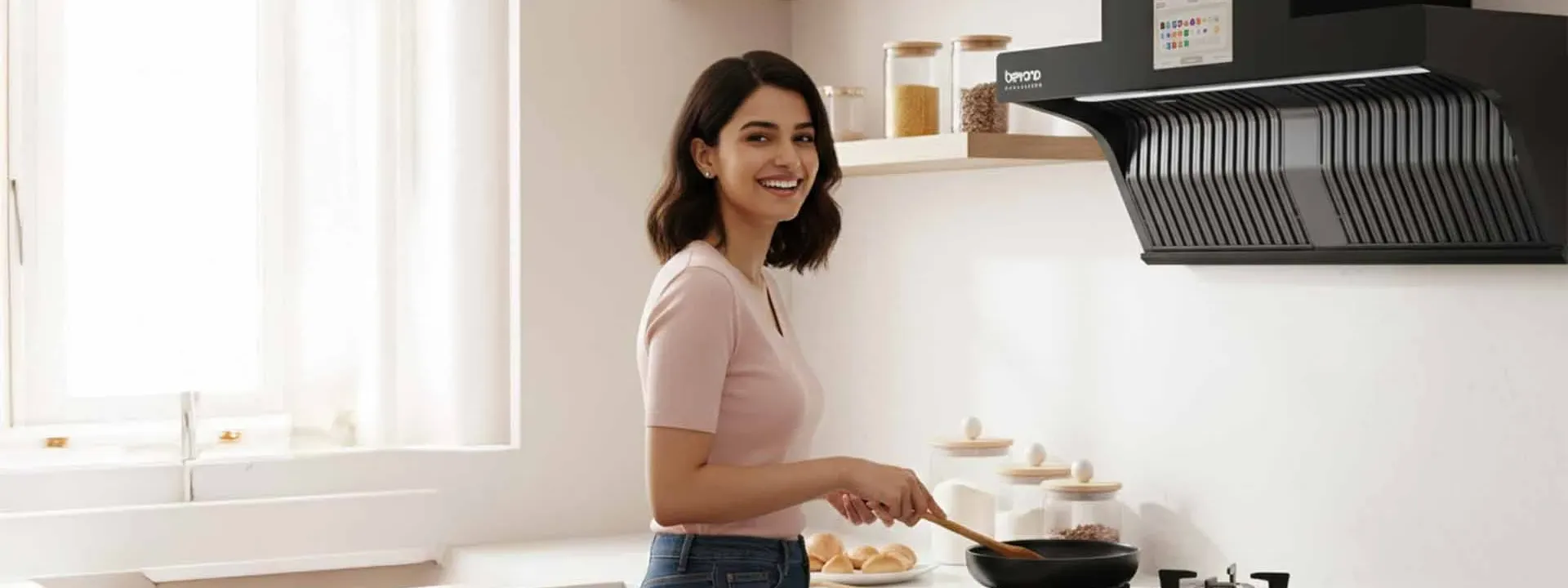
Your kitchen serves as the heart of your home and the foundation for healthy living. The space where you prepare meals directly influences your food choices, eating habits, and overall wellness journey. Research shows that people who cook at home consume fewer calories, less sugar, and more nutritious foods compared to those who rely heavily on restaurant meals. Creating a kitchen environment that supports healthy living involves thoughtful organization, smart design choices, and strategic placement of tools and ingredients. When you achieve healthy kitchen living, you set yourself up for long-term success in maintaining nutritious eating patterns and sustainable lifestyle habits.
Your kitchen environment plays a crucial role in shaping your daily food decisions and long-term health outcomes. Studies indicate that people who prepare meals at home consume approximately 200 fewer calories per day than those who frequently eat out. The psychology behind kitchen design reveals that organized, well-lit spaces encourage better food choices and more frequent home cooking. The layout and organization of your healthy kitchen directly impact your motivation to prepare nutritious meals. When healthy ingredients are visible and easily accessible, you're more likely to reach for them. Conversely, cluttered countertops and disorganized pantries often lead to impulsive food choices and reliance on processed convenience foods. Proper kitchen setup influences meal planning success and reduces the mental burden of deciding what to eat. A well-organized space streamlines the cooking process, making healthy eating feel effortless rather than overwhelming. This psychological advantage helps establish sustainable habits that support long-term wellness goals.
Effective kitchen organization forms the backbone of successful healthy living. Strategic placement of foods and cooking tools can dramatically improve your eating habits and make nutritious meal preparation more appealing and convenient. Start with your refrigerator and pantry reorganization. Store fresh produce at eye level in clear containers to increase visibility and consumption. Place healthy snacks like nuts, seeds, and fresh fruit in prominent positions while moving less nutritious options to harder-to-reach areas. Create designated zones for different food categories: proteins, vegetables, grains, and healthy fats. This system makes meal prep more efficient and helps you quickly assess what ingredients you have available.
Proper food storage techniques maximize nutrition retention and extend freshness. Store leafy greens in breathable bags, keep herbs in water like fresh flowers, and maintain optimal humidity levels for different produce types. Label containers with expiration dates and organize items using the first-in-first-out principle to minimize food waste.
Clear countertops create mental clarity and encourage cooking. Display a beautiful bowl of seasonal fruit to promote healthy snacking. Designate specific areas for different food preparation tasks: one zone for washing and chopping vegetables, another for assembling meals. Keep frequently used healthy cooking tools within arm's reach of your primary prep area.
Invest in quality glass containers for storing prepped ingredients and leftovers. Use drawer dividers to organize cooking utensils and measuring tools. Install pull-out shelves in lower cabinets to improve accessibility. Create a dedicated spice organization system that makes it easy to add flavor to healthy recipes without relying on excess salt or sugar.
Thoughtful design choices can significantly impact your relationship with food and cooking. Creating a sustainable kitchen environment that promotes wellness involves considering lighting, color psychology, and material choices that support your health goals. Natural lighting enhances your ability to assess food quality and creates a more pleasant cooking experience. Position your main prep area near a window when possible, and supplement with bright, full-spectrum LED lights for evening cooking. Proper lighting helps you accurately judge the ripeness of produce and the doneness of cooked foods, leading to better meal outcomes. Color psychology plays a subtle but important role in food behavior. Warm, earthy tones like sage green and warm beige create a calming atmosphere that encourages mindful eating. Avoid overly stimulating colors like bright red or orange in large quantities, as these can trigger increased appetite and impulsive eating behaviors.
Choose non-toxic cookware and storage materials that don't leach harmful chemicals into your food. Stainless steel, cast iron, and ceramic options provide safe cooking surfaces. Select natural cleaning products and store them in a designated area away from food preparation zones.
Proper ventilation removes cooking odors and maintains air quality. A high-quality kitchen chimney effectively eliminates smoke, grease, and cooking vapors, creating a more pleasant environment for meal preparation. Clean air contributes to overall wellness and makes spending time in the kitchen more enjoyable.
Establishing dedicated zones within your kitchen streamlines the cooking process and makes healthy kitchen living more achievable. Each zone should serve a specific purpose and contain the tools and ingredients needed for that function. Design a dedicated prep station with ample counter space, good lighting, and easy access to knives, cutting boards, and storage containers. Position this area near your sink for easy cleanup and close to your refrigerator for ingredient access. Include a compost bin for vegetable scraps to support sustainable practices.
Organize your cooking area around your stovetop and oven. Keep healthy cooking oils, vinegars, and frequently used spices within easy reach. Store pots, pans, and cooking utensils in nearby drawers or cabinets. Ensure your kitchen chimney is properly maintained to handle cooking vapors effectively.
Create an appealing beverage area that encourages proper hydration. Install a water filtration system for clean, great-tasting water. Organize herbal teas and healthy drink options in an attractive display. Keep reusable water bottles clean and easily accessible to promote consistent water intake throughout the day.
Designate an area for plating meals and assembling lunch boxes or meal prep containers. Store serving dishes, lunch containers, and food storage bags in this zone. Include a small scale for portion control if weight management is part of your health goals.
Proper storage techniques preserve nutrition and extend the life of fresh ingredients, making clean eating more economical and convenient. Understanding how different foods should be stored helps maintain their nutritional value and prevents premature spoilage. Optimize produce storage by understanding which fruits and vegetables should be refrigerated and which perform better at room temperature. Store potatoes, onions, and garlic in cool, dark places with good air circulation. Keep bananas, tomatoes, and avocados on the counter until ripe, then refrigerate to slow further ripening.
Categorize pantry items by type and frequency of use. Store whole grains, legumes, nuts, and seeds in airtight containers to maintain freshness and prevent pest issues. Label containers with contents and purchase dates. Create a rotation system that ensures older items are used first.
Organize your refrigerator into distinct zones: dairy and eggs on middle shelves, produce in crisper drawers, leftovers and meal prep containers on upper shelves, and condiments in door compartments. Use clear containers for prepped vegetables and fruits to increase visibility and consumption.
Maximize freezer space by using flat storage methods for soups, smoothie ingredients, and prepped meals. Label everything with contents and freeze dates. Organize frozen foods by category and maintain an inventory list to prevent forgotten items from becoming freezer burn casualties.
Modern kitchen technology can significantly simplify the process of maintaining healthy eating habits. Strategic investment in time-saving appliances and organizational tools makes nutritious cooking more accessible and enjoyable. High-quality kitchen appliances like efficient gas stoves and reliable cooktops provide precise temperature control for healthier cooking methods. Steam cooking preserves more nutrients than boiling, while proper searing techniques can reduce the need for excess oils. A well-functioning kitchen chimney removes cooking odors and maintains air quality during food preparation.
Invest in tools that promote healthy cooking methods: steamer baskets for vegetables, quality knives for efficient prep work, and non-toxic cookware that doesn't require excessive oils. A food processor can make vegetable prep faster and more appealing, encouraging increased vegetable consumption.
Use meal planning apps to organize healthy recipes and create shopping lists. Digital inventory systems help track pantry contents and reduce food waste. Set up automated grocery delivery for healthy staples to ensure you always have nutritious options available.
Consider tools that help maintain food quality: refrigerator thermometers ensure proper storage temperatures, and water quality monitors help maintain hydration standards. Simple portion control tools like measuring cups and kitchen scales support mindful eating practices.
Sustaining your healthy kitchen transformation requires establishing consistent maintenance routines and adapting your systems as your needs evolve. Long-term success depends on creating habits that feel natural and manageable rather than burdensome. Develop daily habits that maintain organization: clean as you cook, put items back in designated places immediately, and do a quick five-minute tidy-up after each meal. Weekly routines should include deep cleaning, inventory assessment, and meal planning for the upcoming week.
Adjust your kitchen organization to accommodate seasonal produce and changing dietary needs. Reorganize storage systems when transitioning between seasons, and update your healthy staples list based on availability and preferences. Regular equipment maintenance ensures your appliances continue supporting your health goals effectively.
Involve household members in maintaining the organized system. Assign age-appropriate tasks and create clear guidelines for where items belong. When everyone understands and participates in the organization system, it becomes self-sustaining and more effective long-term.
Start with organization rather than expensive renovations. Reorganize existing storage, deep clean all surfaces, and invest in a few quality storage containers. Focus on maximizing natural light and decluttering countertops. Gradually replace unhealthy items with nutritious alternatives as your budget allows.
Prioritize your refrigerator, main prep area, and pantry. These three zones have the biggest impact on daily food choices and cooking efficiency. Clear and organize counter space next, as clutter-free surfaces encourage more frequent cooking and healthier meal preparation.
Make healthy choices the easy choices by placing nutritious foods at eye level and within easy reach. Involve family members in meal planning and preparation. Create simple systems that everyone can follow, and celebrate successes when healthy habits are maintained.
Invest in sharp knives, quality cutting boards, steamer baskets, measuring tools, and non-toxic cookware. A reliable gas stove or cooktop provides precise temperature control for healthier cooking methods. Good ventilation through a kitchen chimney maintains air quality during cooking.
Perform daily maintenance through cleaning and putting items back in place. Do weekly assessments of food inventory and meal planning. Conduct seasonal deep organization sessions to adapt to changing produce availability and evolving health goals. Annual equipment maintenance ensures optimal performance.
Transforming your kitchen for healthy living creates a foundation for long-term wellness success. Strategic organization, thoughtful design choices, and proper tool selection make nutritious cooking more appealing and convenient. Remember that small, consistent changes often produce better results than dramatic overhauls. Focus on creating systems that work for your lifestyle and family situation. Prioritize organization over expensive equipment, and build habits gradually. When you achieve healthy kitchen living through thoughtful planning and consistent maintenance, you create an environment that naturally supports your wellness goals and makes healthy choices feel effortless.
