

How to Reduce Kitchen Air Pollution for a Healthier Home
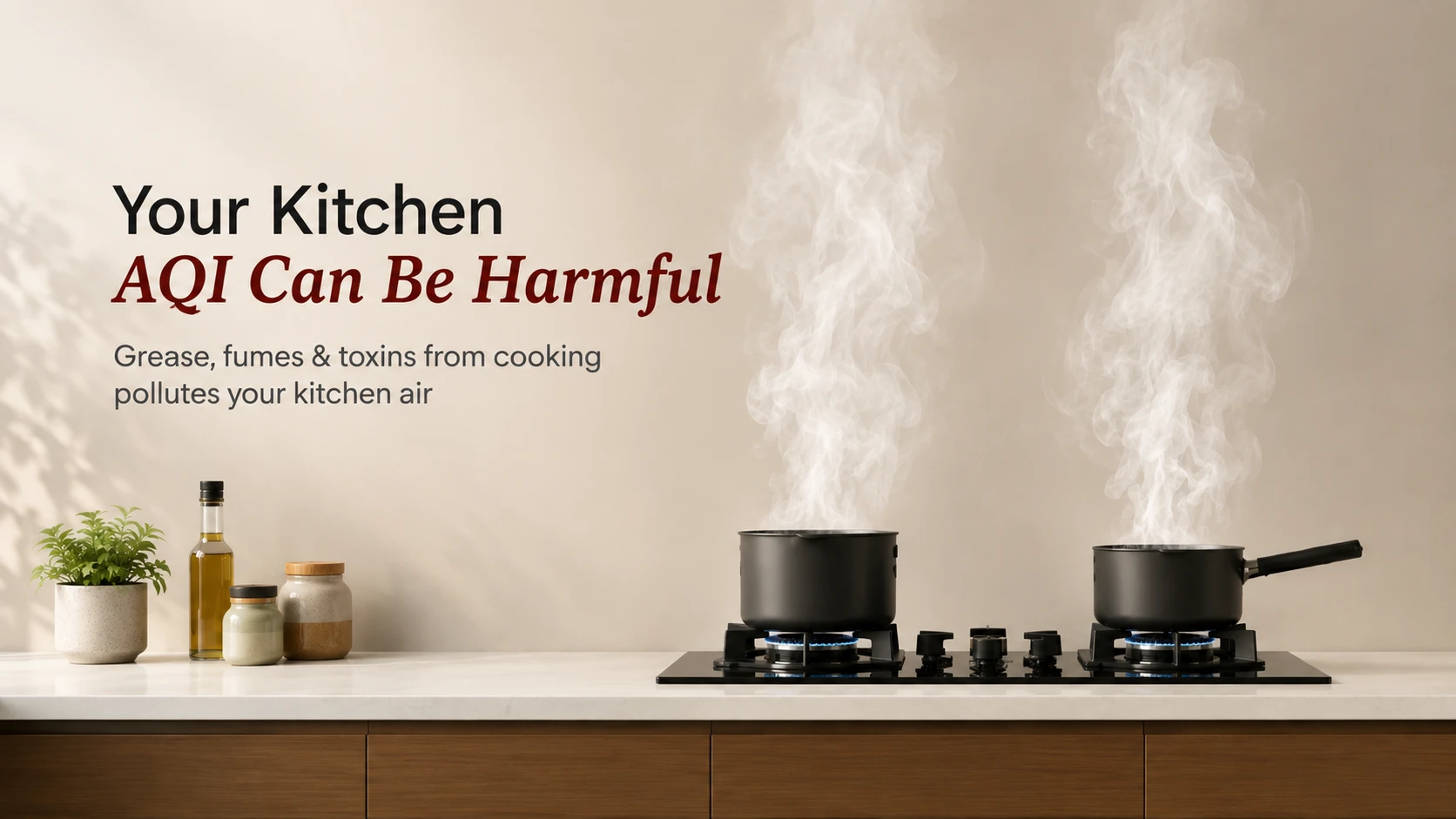
Kitchen air pollution affects millions of homes daily, yet most people remain unaware of the invisible health risks lurking in their cooking spaces. From gas stove emissions to high-temperature frying particles, your kitchen generates more indoor pollutants than any other room in your home. Poor ventilation can trap harmful particles like PM2.5, nitrogen dioxide, and volatile organic compounds, creating a toxic environment where families spend significant time preparing meals. Understanding how to reduce kitchen air pollution isn't just about comfort—it's about protecting your family's long-term health. With the right combination of proper ventilation, smart cooking techniques, and effective filtration systems, you can transform your kitchen into a healthier cooking environment that supports both culinary creativity and respiratory wellness.
Kitchen air pollution comes from gas stoves, cooking oils, and high-temperature cooking, creating harmful particles that affect respiratory health
Effective ventilation through range hoods with proper CMH ratings, combined with natural airflow and smart cooking techniques, significantly reduces indoor pollution
Modern filtration systems and regular maintenance create lasting improvements in kitchen air quality for healthier cooking environments
Your kitchen generates more indoor air pollutants than any other room in your home. Every time you cook, multiple pollution sources activate simultaneously, creating a complex mixture of harmful particles and gases that can impact your family's health.
Gas stoves produce nitrogen dioxide and carbon monoxide as natural byproducts of combustion. These colorless gases accumulate quickly in poorly ventilated spaces, especially during extended cooking sessions. High-temperature cooking methods like frying and grilling release fine particulate matter (PM2.5) and aldehydes from heated oils, which can penetrate deep into lung tissue.
Cleaning products contribute volatile organic compounds (VOCs) that mix with cooking emissions, creating secondary pollutants. Food particles and grease buildup on surfaces become breeding grounds for bacteria and contribute to ongoing air quality issues even when you're not actively cooking.
Prolonged exposure to kitchen air pollution causes immediate and long-term health effects. Short-term symptoms include eye irritation, throat discomfort, and respiratory issues that many people mistakenly attribute to normal cooking activities.
Long-term exposure to PM2.5 particles increases cardiovascular disease risk and can worsen existing respiratory conditions like asthma. Studies by organizations like the World Health Organization indicate significant links between indoor air pollution and these health impacts, making effective air quality management essential for household health.
Proper ventilation forms the foundation of any strategy for reducing kitchen air pollution. The right ventilation system removes pollutants at their source before they can circulate throughout your home, protecting both immediate cooking areas and adjacent living spaces.
Range hood effectiveness depends on matching CMH (cubic meter per hour) ratings to your kitchen size and cooking habits. For Indian cooking scenarios involving heavy oil use and spice tempering, higher CMH ratings are crucial for effective removal of resultant fumes. For example, a 120 square foot kitchen might require approximately 1200-1500 CMH capacity for optimal performance during such activities.
Beyond Appliances' Orion Chimney features advanced 3D suction technology that captures smoke from multiple directions, ensuring comprehensive coverage across your entire cooktop. Its auto-clean mechanism melts accumulated grease for easy collection, simplifying maintenance. This focus on smart features ensures a cleaner, more pleasant cooking experience.
Installation height matters significantly for effectiveness. Mount your range hood 24-30 inches above gas cooktops and 20-24 inches above electric surfaces. Proper ducting with minimal bends and adequate duct size maintains suction power and prevents backdraft issues.
Cross-ventilation amplifies mechanical ventilation effectiveness by creating natural airflow patterns. Open windows on opposite sides of your kitchen during cooking to establish air circulation that helps exhaust systems work more efficiently.
Time your ventilation strategically by starting exhaust fans before you begin cooking and running them for 10-15 minutes after finishing. This prevents pollutant accumulation and ensures complete air turnover in your cooking space.
Your cooking techniques directly influence the amount of air pollution generated during meal preparation. Simple adjustments to temperature, timing, and equipment use can dramatically reduce harmful emissions while maintaining food quality and flavor.
Lower cooking temperatures significantly reduce particle emissions from heated oils. Use medium heat for most cooking tasks and reserve high temperatures only when necessary for specific techniques like searing or stir-frying.
Choose cooking oils with higher smoke points to minimize aldehyde formation. Avocado oil, refined coconut oil, and ghee handle high temperatures better than olive oil or butter, producing fewer harmful compounds when heated.
Cover pans and pots during cooking to contain steam, reduce splatter, and minimize airborne particles. This simple technique can reduce emissions by up to 70% while also improving cooking efficiency and reducing cleanup time.
Regular cleaning of cooking surfaces prevents grease buildup that contributes to ongoing air quality issues. Clean cooktops, range hoods, and surrounding surfaces weekly to eliminate accumulated particles that can become airborne during cooking.
Beyond Appliances' Plug 'N' Play BLDC Chimney offers a powerful 1600 CMH suction without ducting requirements, supported by an activated carbon filter system. Its extended 4-year filter life and auto-clean technology minimize maintenance frequency while ensuring optimal performance for a healthy cooking environment.
Supplemental air purification provides an additional layer of protection against kitchen air pollution, especially in homes with limited ventilation options or during heavy cooking sessions that overwhelm primary exhaust systems.
HEPA filters excel at capturing fine particles including PM2.5, smoke particles, and airborne grease molecules. These filters remove 99.97% of particles 0.3 microns or larger, making them highly effective against cooking-related pollutants.
Activated carbon filters specialize in odor elimination and VOC removal. The dual-layer system in Beyond Appliances' activated carbon filters combines baffle filtration for grease particles with charcoal absorption for cooking odors, providing comprehensive air cleaning for up to 4 years.
Kitchen-specific air purifiers should handle high humidity levels and grease particles that can clog standard residential units. Look for models with washable pre-filters and robust construction designed for challenging kitchen environments.
Position air purifiers away from direct cooking areas to avoid overwhelming the unit with concentrated pollutants. Place units in adjacent dining areas or kitchen corners where they can process circulating air without interfering with primary ventilation systems.
Run air purifiers continuously during cooking and for 2-3 hours afterward to capture particles that escape primary ventilation. This extended operation ensures complete air cleaning and prevents pollutant migration to other rooms.
Sustainable air quality improvement requires consistent maintenance practices and strategic upgrades that address both immediate pollution sources and underlying ventilation deficiencies.
Establish weekly cleaning routines for all cooking surfaces, monthly filter checks for range hoods and air purifiers, and quarterly deep cleaning of ventilation systems. Consistent maintenance prevents pollutant accumulation and maintains equipment effectiveness.
Monitor filter replacement schedules carefully. Clogged filters reduce suction power and can actually worsen air quality by restricting airflow. Beyond Appliances' filterless technology in models like the Eris Chimney eliminates this concern while maintaining 1800 CMH suction with minimal noise levels.
Control kitchen humidity levels to prevent mold growth and reduce particle suspension in air. Use exhaust fans during and after cooking, and consider dehumidifiers in humid climates or poorly ventilated kitchens.
Improve overall air circulation by ensuring adequate space around appliances and avoiding blocked vents or airways. Good circulation helps distribute clean air throughout your kitchen and prevents stagnant zones where pollutants can accumulate.
To reduce cooking smoke, use lower cooking temperatures, cover pans, choose oils with higher smoke points, and ensure proper ventilation. Running your range hood before, during, and after cooking is crucial. Beyond Appliances' 3D suction technology captures smoke particles from multiple directions for more effective removal, contributing to a healthier cooking environment.
Kitchen air pollution primarily comes from gas stove combustion (producing nitrogen dioxide and carbon monoxide), high-temperature cooking that releases PM2.5 particles from heated oils, cleaning product vapors, and accumulated grease and food particles. These sources combine to create a complex mixture of harmful pollutants that require comprehensive ventilation strategies.
Reduce PM2.5 by using lower cooking temperatures, covering pans during cooking, choosing oils with higher smoke points, and ensuring proper ventilation. Run your range hood before starting to cook and continue for 15 minutes after finishing. Beyond Appliances' 3D suction technology captures particles from multiple directions for more effective removal.
Range hoods provide primary source control by removing pollutants directly from cooking areas, while air purifiers offer supplemental cleaning for particles that escape primary ventilation. For optimal air quality, especially in heavy-use kitchens, both systems work together to provide comprehensive protection against cooking-related pollution.
Clean range hood filters monthly, wipe down exterior surfaces weekly, and schedule professional duct cleaning annually. However, filterless systems like those in Beyond Appliances' premium models eliminate filter maintenance while auto-clean features handle grease removal automatically, reducing maintenance frequency significantly.
Natural ventilation helps but cannot replace mechanical exhaust for effective pollution control during cooking. Wind patterns, weather conditions, and seasonal variations make natural ventilation unreliable. Mechanical systems provide consistent, controlled air removal regardless of external conditions, making them essential for maintaining healthy kitchen air quality.
Reducing kitchen air pollution requires a multi-layered approach combining proper ventilation, smart cooking techniques, and regular maintenance practices. Start with adequate mechanical ventilation sized for your kitchen and cooking habits, then supplement with natural airflow and air purification as needed.
Focus on source control through temperature management, oil selection, and covering cookware during use. These simple changes can reduce emissions by 60-70% while improving cooking efficiency. Modern ventilation systems, engineered to delight, offer powerful pollution control with minimal maintenance requirements, ensuring a truly enhanced kitchen experience.
Remember that consistent maintenance and proper operation of ventilation equipment ensures long-term effectiveness. Clean air in your kitchen protects your family's health while creating a more pleasant cooking environment that encourages healthy meal preparation and family time together.
