

How to Overcome Ductless Chimney Limitations
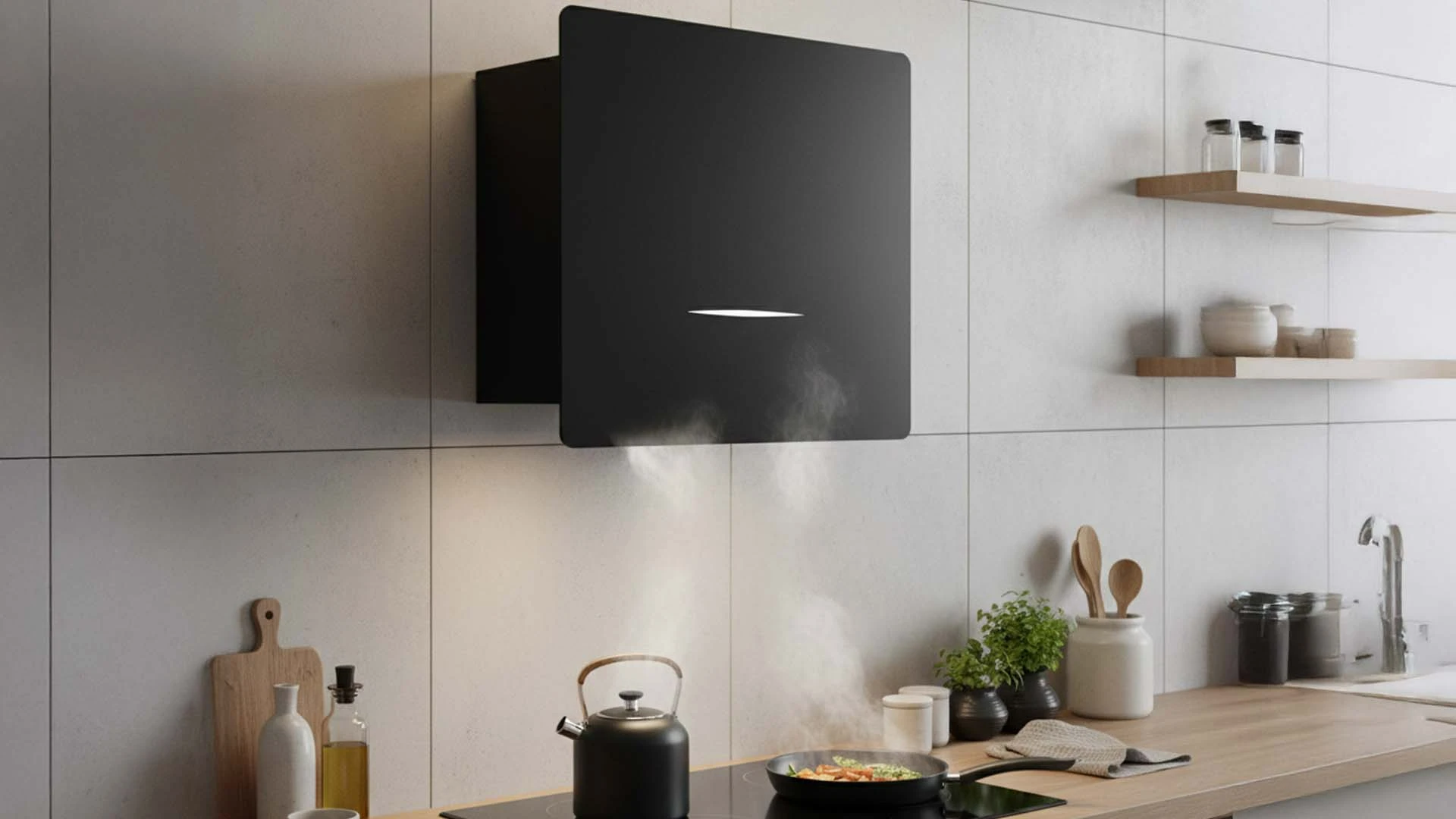
Ductless chimney limitations can significantly impact your kitchen's air quality and cooking experience. While these ventless hood systems offer installation flexibility, they come with inherent challenges that many homeowners struggle to overcome. Understanding these limitations and exploring effective solutions can transform your kitchen environment from stuffy and odorous to fresh and comfortable. Modern kitchen ventilation technology has evolved to address these common issues, offering both traditional and innovative approaches to better indoor air quality.
Ductless chimney systems represent a popular choice for kitchens where traditional ducted ventilation isn't feasible. These systems work differently from their ducted counterparts, creating unique challenges that affect kitchen comfort and air quality.
A ductless range hood operates by drawing air through filters and recirculating it back into the kitchen. Unlike ducted systems that expel air outside, ventless hood technology relies entirely on filtration to clean cooking fumes, smoke, and odors. These systems typically use multiple filter stages including grease filters and charcoal filters to trap particles and neutralize odors before returning air to the room.
The most significant ductless chimney limitations stem from their recirculation design. Air isn't actually removed from the kitchen - it's simply filtered and returned. This creates several performance issues: • Incomplete odor removal: Charcoal filters can't eliminate all cooking smells • Moisture retention: Steam and humidity remain in the kitchen • Heat buildup: Cooking heat isn't expelled, making kitchens uncomfortably warm • Filter dependency: Performance degrades rapidly without regular filter replacement • Limited grease capture: Some grease particles escape filtration
Poor ventilation from range hood limitations creates cascading problems throughout your kitchen. Excess moisture leads to condensation on windows and surfaces, potentially causing mold growth. Grease particles that escape filtration settle on cabinets, walls, and appliances, creating sticky surfaces that attract dirt. Persistent cooking odors can permeate fabrics and spread to adjacent rooms, affecting your entire home's air quality.
Several proven alternatives can overcome the inherent limitations of ductless systems. These solutions range from permanent installations to flexible temporary options, each offering distinct advantages for different kitchen situations.
Converting to a ducted system provides the most effective solution for ductless chimney limitations. Professional installation involves cutting through exterior walls or roofing to create ventilation pathways. While this requires significant investment, ducted systems remove cooking byproducts completely rather than filtering and recirculating them. Modern ducted chimneys offer powerful suction capabilities, like the Android Chimney Asteria with 1408 CMH suction specifically designed for Indian cooking needs.
A portable range hood offers flexibility for renters or those seeking temporary solutions. These units can be positioned strategically near cooking areas and moved as needed. While not as powerful as permanent installations, quality portable units provide supplementary ventilation that significantly improves air quality. Some models include multiple speed settings and timer functions for customized operation.
Window exhaust fans create direct air removal pathways without major construction. Strategic placement near cooking areas helps draw cooking fumes outside naturally. Downdraft systems, though less common, pull air downward and out through floor or wall vents. These chimney alternatives work particularly well in kitchens with islands or peninsulas where traditional overhead ventilation isn't practical.
Even if replacement isn't immediately feasible, several upgrades can significantly improve your current ductless system's effectiveness. These modifications address common performance bottlenecks while extending your system's useful life.
Upgrading to high-quality multi-stage filters dramatically improves air cleaning performance. Modern charcoal filters use activated carbon with larger surface areas for better odor absorption. HEPA-grade filters capture smaller particles that standard filters miss. Establishing a strict replacement schedule - typically every 3-6 months for charcoal filters and monthly cleaning for grease filters - maintains optimal performance.
Combining your ductless range hood with additional air movement creates more effective overall ventilation. Ceiling fans positioned strategically help distribute filtered air throughout the kitchen. Window fans can work in coordination with your range hood to create cross-ventilation patterns. Air purifiers with activated carbon filters provide additional odor and particle removal.
Modern smart chimneys like the Android Chimney Asteria offer advanced features that optimize performance automatically. Built-in sensors detect cooking activity and adjust fan speeds accordingly. Auto turn-off functions prevent energy waste while ensuring adequate ventilation duration. The integrated infotainment screen and kitchen companion features make cooking more enjoyable while maintaining proper ventilation.
For serious cooking enthusiasts or larger kitchens, professional-grade solutions provide restaurant-quality air management. These systems address ductless chimney limitations through superior engineering and higher-capacity components.
High-capacity ductless units designed for commercial applications offer significantly better performance than residential models. These systems feature more powerful motors, larger filter areas, and advanced filtration technologies. Multi-stage filtration systems combine grease separation, particle filtration, and odor neutralization in single units. Professional installation ensures optimal positioning and performance.
Combining different ventilation methods creates comprehensive air management systems. A primary hood without vent can work alongside window exhaust fans, air purifiers, and natural ventilation strategies. This layered approach addresses different types of cooking byproducts through specialized methods, overcoming individual system limitations through coordinated operation.
Budget-conscious homeowners can implement several effective improvements without professional installation. These solutions provide meaningful performance gains while keeping costs manageable.
Window exhaust fans represent the most cost-effective upgrade for most kitchens. Installing a properly sized fan near your cooking area creates direct air removal for under INR 5,000. Portable air circulators help distribute air more effectively throughout the kitchen. Opening windows strategically during cooking creates natural cross-ventilation that supplements your existing system.
Proper maintenance dramatically improves ductless system performance without additional equipment costs. Regular filter cleaning extends filter life and maintains suction power. Cleaning the motor housing and fan blades removes grease buildup that reduces efficiency. Simple airflow tests using tissue paper help identify performance degradation before it becomes severe.
Charcoal filters typically need replacement every 3-6 months depending on cooking frequency. Grease filters should be cleaned monthly and replaced annually. Heavy cooking requires more frequent maintenance to maintain optimal performance.
Many ductless units can be converted to ducted operation with proper ductwork installation. However, this requires professional assessment to ensure adequate motor capacity and proper ventilation pathway design.
Ducted range hoods provide the most effective air removal, but window exhaust fans offer the best balance of effectiveness and affordability for most situations. The Android Chimney Asteria's filterless design with dry heat auto clean technology provides excellent performance without traditional filter limitations.
Portable units provide supplementary ventilation that meaningfully improves air quality, though they're less effective than permanent installations. They work best when positioned close to cooking surfaces and used in combination with other ventilation strategies.
Regular filter maintenance, strategic supplementary ventilation, and proper usage timing significantly improve performance. Upgrading to higher-quality filters and adding ceiling fans or air purifiers creates noticeable improvements.
Overcoming ductless chimney limitations requires understanding their fundamental constraints and implementing targeted solutions. Whether through system upgrades, supplementary ventilation, or complete replacement with ducted alternatives, effective kitchen ventilation is achievable in any space. The key lies in matching solutions to your specific cooking habits, kitchen layout, and budget constraints. Modern innovations like the Android Chimney Asteria's filterless design and smart features demonstrate how technology continues advancing to address traditional ventilation challenges. With proper planning and implementation, you can transform your kitchen into a comfortable, fresh environment that enhances your cooking experience.
