

How to Maximize Gas Hob Benefits in Your Kitchen
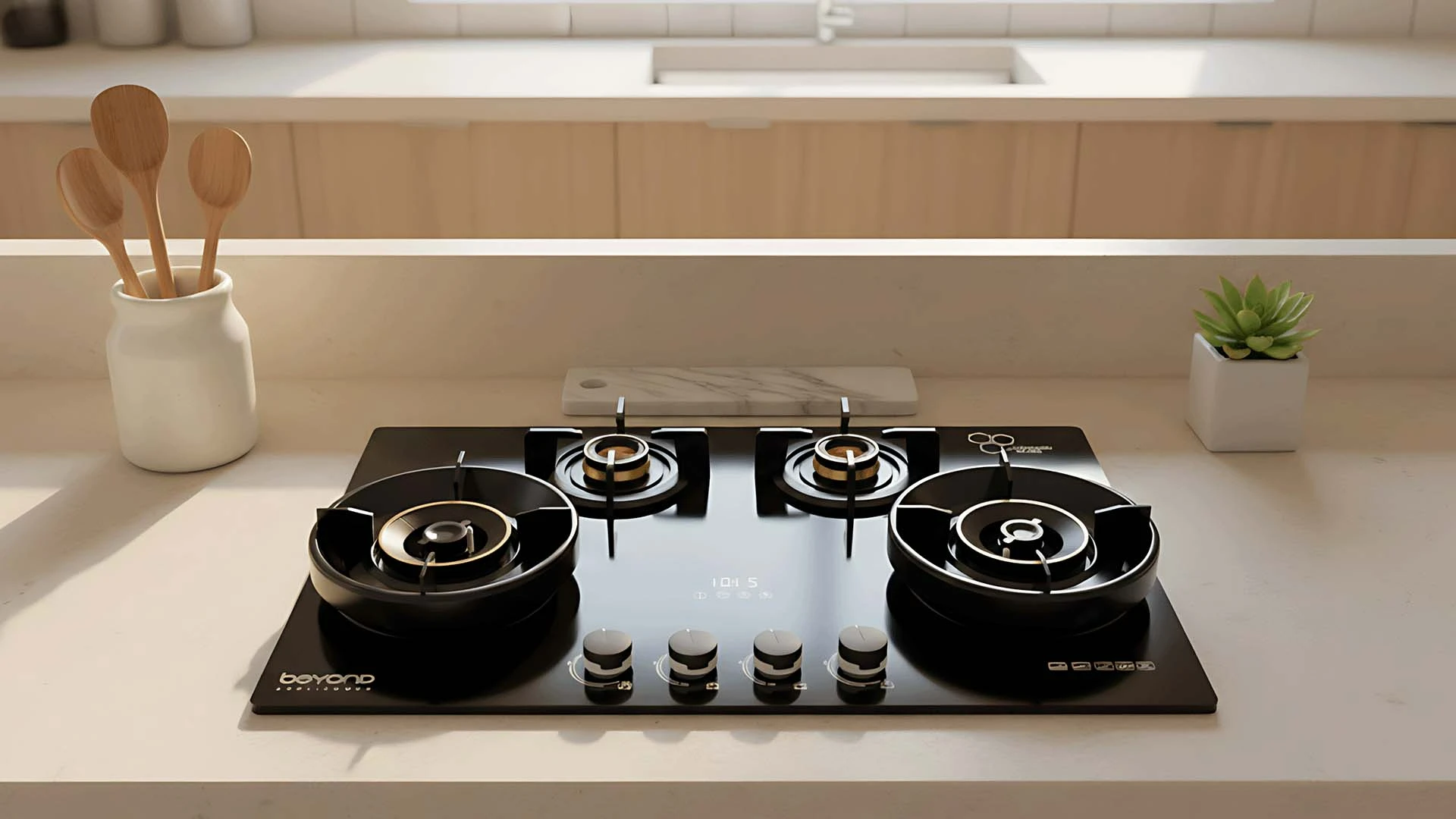
Gas hobs have revolutionized modern cooking with their instant heat delivery and precise temperature control. Whether you're a professional chef or a home cooking enthusiast, understanding the benefits of gas hob technology can transform your culinary experience. From energy efficiency to superior cooking performance, gas hobs offer numerous advantages that make them a preferred choice for kitchens worldwide. This comprehensive guide explores how to maximize these benefits while making informed decisions for your kitchen setup.
Gas hobs represent the pinnacle of cooking technology, combining traditional flame cooking with modern safety features and design aesthetics. These appliances use natural gas or LPG to create controlled flames that provide immediate heat for cooking various dishes. The fundamental appeal lies in their ability to deliver instant, adjustable heat that responds immediately to your cooking needs. The core gas hob advantages extend beyond simple heating. Professional chefs worldwide prefer gas cooking because it offers unmatched control over temperature variations. Unlike electric alternatives that require time to heat up and cool down, gas hobs provide immediate response to adjustments, making them ideal for techniques requiring precise timing and temperature control.
A gas hob consists of burners connected to a gas supply system, featuring safety mechanisms like automatic ignition and flame failure protection. Modern gas hobs come in built-in and freestanding configurations, allowing flexibility in kitchen design. The burner system distributes gas evenly through multiple outlets, creating a controlled flame pattern that ensures efficient heat transfer to cookware.
Instant heat cooking capabilities set gas hobs apart from electric alternatives. The moment you turn the control knob, flames appear and provide immediate heat. This eliminates waiting time and allows for spontaneous cooking decisions. Visual flame control provides intuitive feedback, letting you see exactly how much heat you're applying to your food. Professional-grade performance becomes accessible in home kitchens, enabling advanced cooking techniques previously limited to commercial settings.
The ability to achieve instant heat represents one of the most significant advantages of cooking with gas. This immediate response transforms cooking efficiency and opens possibilities for advanced culinary techniques that require precise timing. Professional chefs consistently choose gas because it provides the responsiveness needed for high-level cooking. Temperature precision with gas hobs surpasses electric alternatives in both speed and accuracy. The visual nature of flame cooking allows immediate assessment of heat levels, while the instant response to control adjustments enables real-time cooking modifications. This combination creates an intuitive cooking experience that enhances both efficiency and results.
Zero warm-up time eliminates the frustration of waiting for heating elements to reach temperature. Gas flames provide maximum heat output immediately, reducing overall cooking time significantly. Immediate temperature adjustments allow for quick transitions between cooking phases, such as moving from high-heat searing to gentle simmering. Time-saving advantages become particularly apparent during busy meal preparation periods when efficiency matters most.
Precise temperature control enables advanced cooking techniques like perfect sautéing, where ingredients require specific heat levels for optimal results. Searing proteins becomes effortless with instant high heat that creates proper caramelization. Stir-frying achieves authentic results through rapid heat adjustments that maintain ingredient texture and flavor. Even heat distribution across cookware ensures consistent cooking results, while delicate processes like sauce preparation benefit from immediate temperature responsiveness.
Modern gas hobs deliver impressive energy efficiency through direct heat transfer and minimal energy waste. Unlike electric systems that lose energy through heating elements and heat transfer, gas flames provide direct heating that maximizes energy utilization. This efficiency translates into both cost savings and environmental benefits for conscious consumers. The economic advantages of gas stove benefits become evident through reduced utility costs and faster cooking times. Gas typically costs less per BTU than electricity in most regions, making daily cooking more affordable. Additionally, the speed of gas cooking reduces overall energy consumption per meal, creating compound savings over time.
Lower operating costs make gas hobs attractive for budget-conscious households. In India, gas costs significantly less than electricity for cooking purposes, with average savings of 30-40% on cooking-related energy expenses. Affordable cooking options extend beyond fuel costs to include reduced cooking times and improved food quality. Long-term savings analysis shows that gas hob users typically recover their initial investment within 18-24 months through reduced utility bills.
Energy efficient hobs contribute to reduced carbon footprints through optimized fuel consumption. Modern gas hobs achieve efficiency ratings of 40-55%, compared to electric systems that often lose energy through heat transfer processes. Reduced heat waste occurs because flames provide direct heating without intermediate heating elements. Faster cooking times mean less overall energy consumption per meal, contributing to environmental conservation efforts.
Quality gas hobs demonstrate exceptional longevity through robust construction and reliable components. Professional-grade materials resist daily wear while maintaining consistent performance over years of regular use. The mechanical simplicity of gas systems contributes to their durability, with fewer electronic components that might fail compared to advanced electric alternatives. Maintenance requirements for gas hobs remain straightforward and cost-effective. Regular cleaning and occasional professional servicing ensure optimal performance and safety. The accessibility of gas hob components makes repairs more affordable and faster compared to complex electric systems that might require specialized parts or complete unit replacement.
Robust construction materials include cast iron grates, stainless steel surfaces, and brass burner components that resist corrosion and wear. Expected lifespan typically ranges from 15-20 years with proper maintenance, significantly exceeding many electric alternatives. Durable gas hobs maintain consistent performance throughout their lifespan, with minimal degradation in heating efficiency or temperature control accuracy.
Simple cleaning procedures involve removing grates and drip pans for regular washing, while burner heads require periodic cleaning to maintain optimal flame patterns. Preventive maintenance schedules include annual professional inspections and gas line checks. Common issues like clogged burner ports or worn ignition systems have straightforward solutions that don't require complete appliance replacement.
The gas hob vs electric debate centers on performance, cost, and user experience factors. Gas hobs excel in immediate heat response, precise control, and cooking versatility, while electric options offer different advantages in specific situations. Understanding these differences helps make informed decisions based on individual cooking needs and kitchen requirements. Performance differences become apparent immediately when comparing heat response times and temperature control precision. Professional chefs overwhelmingly prefer gas for its responsiveness and visual feedback, while home cooks appreciate the intuitive nature of flame cooking that provides immediate visual confirmation of heat levels.
Heat response time comparison shows gas providing instant maximum heat, while electric systems require 2-5 minutes to reach full temperature. Cooking versatility favors gas through compatibility with various techniques including wok cooking, flambéing, and rapid temperature changes. Professional chef preferences stem from the immediate control and visual feedback that gas flames provide, enabling precise execution of complex recipes.
Built-in safety features include automatic shut-off systems, flame failure protection, and child safety locks that ensure secure operation. Installation requirements vary between built-in and portable models, with professional installation recommended for permanent fixtures. User experience favors gas through intuitive operation and immediate feedback, though electric systems might appeal to users preferring automated controls.
Selecting the optimal gas hob requires careful consideration of cooking needs, kitchen design, and budget constraints. Modern gas hobs offer various configurations and features that cater to different user preferences and cooking styles. This kitchen hob buying guide helps navigate available options while ensuring the best match for your specific requirements. Feature evaluation should focus on practical benefits rather than unnecessary complexity. Essential features enhance cooking performance and safety, while advanced options might provide convenience without significantly improving cooking results. Balancing functionality with budget ensures optimal value from your investment.
Burner configurations range from compact 2-burner models perfect for small kitchens to expansive 5+ burner systems for serious cooking enthusiasts. Safety certifications ensure compliance with Indian standards and provide peace of mind through tested performance. Advanced features like electronic ignition, timer controls, and automatic flame adjustment enhance convenience without compromising the fundamental benefits of gas cooking.
Built-in options provide seamless kitchen integration and professional appearance, while portable models offer flexibility for renters or temporary setups. Kitchen design compatibility involves considering countertop materials, ventilation requirements, and gas supply accessibility. Professional installation ensures proper gas connections, safety compliance, and optimal performance while maintaining warranty coverage.
Gas hobs provide instant heat, precise temperature control, energy efficiency, and professional-level cooking performance. They offer immediate response to adjustments, visual flame feedback, and typically lower operating costs compared to electric alternatives.
Built-in gas hobs offer better kitchen integration and modern aesthetics, while traditional gas stoves provide portability and easier installation. Both use the same gas cooking technology, so the choice depends on kitchen design preferences and installation requirements.
Gas cooking produces minimal emissions when properly ventilated and maintained. Modern gas hobs include safety features that ensure clean combustion. Proper ventilation and regular maintenance ensure healthy cooking environments.
Potential disadvantages include installation requirements, need for gas supply, and regular maintenance. However, these factors are typically outweighed by the performance and efficiency benefits that gas hobs provide.
Maximizing benefits of gas hob technology requires understanding both the immediate advantages and long-term value these appliances provide. From instant heat delivery to precise temperature control, gas hobs offer professional-level cooking performance that enhances both efficiency and culinary results. The combination of energy efficiency, durability, and superior cooking control makes gas hobs an excellent investment for any kitchen. Choosing the right gas hob involves balancing features, budget, and cooking needs while ensuring proper installation and maintenance. With proper care and usage, a quality gas hob provides years of reliable service while reducing cooking costs and improving meal quality. The immediate responsiveness and intuitive operation of gas cooking create an enjoyable culinary experience that electric alternatives struggle to match.
