
How to Maximize Chimney Airflow in Your Kitchen
Cart
Your cart is empty
Good kitchen ventilation makes cooking more enjoyable and keeps your home fresh. Many homeowners struggle with poor air quality, lingering cooking odors, and grease buildup because they don't understand how chimney airflow vs suction power works. The key to effective cooking fumes removal lies in understanding both concepts and how they work together. When you optimize your kitchen ventilation system properly, you create a healthier cooking environment that protects your family from harmful pollutants and keeps your kitchen clean.
The difference between chimney airflow and suction power is crucial for choosing the right kitchen ventilation system. Both work together to create effective cooking fumes removal, but they measure different aspects of performance.
Range hood airflow measures the volume of air moved through your ventilation system, typically expressed in cubic meters per hour (CMH). This metric tells you how much air your chimney can process in a given time. Higher airflow rates mean faster air circulation kitchen and quicker removal of cooking vapors. For Indian cooking, which produces heavy smoke and strong odors, you need substantial airflow capacity to handle the demands effectively.
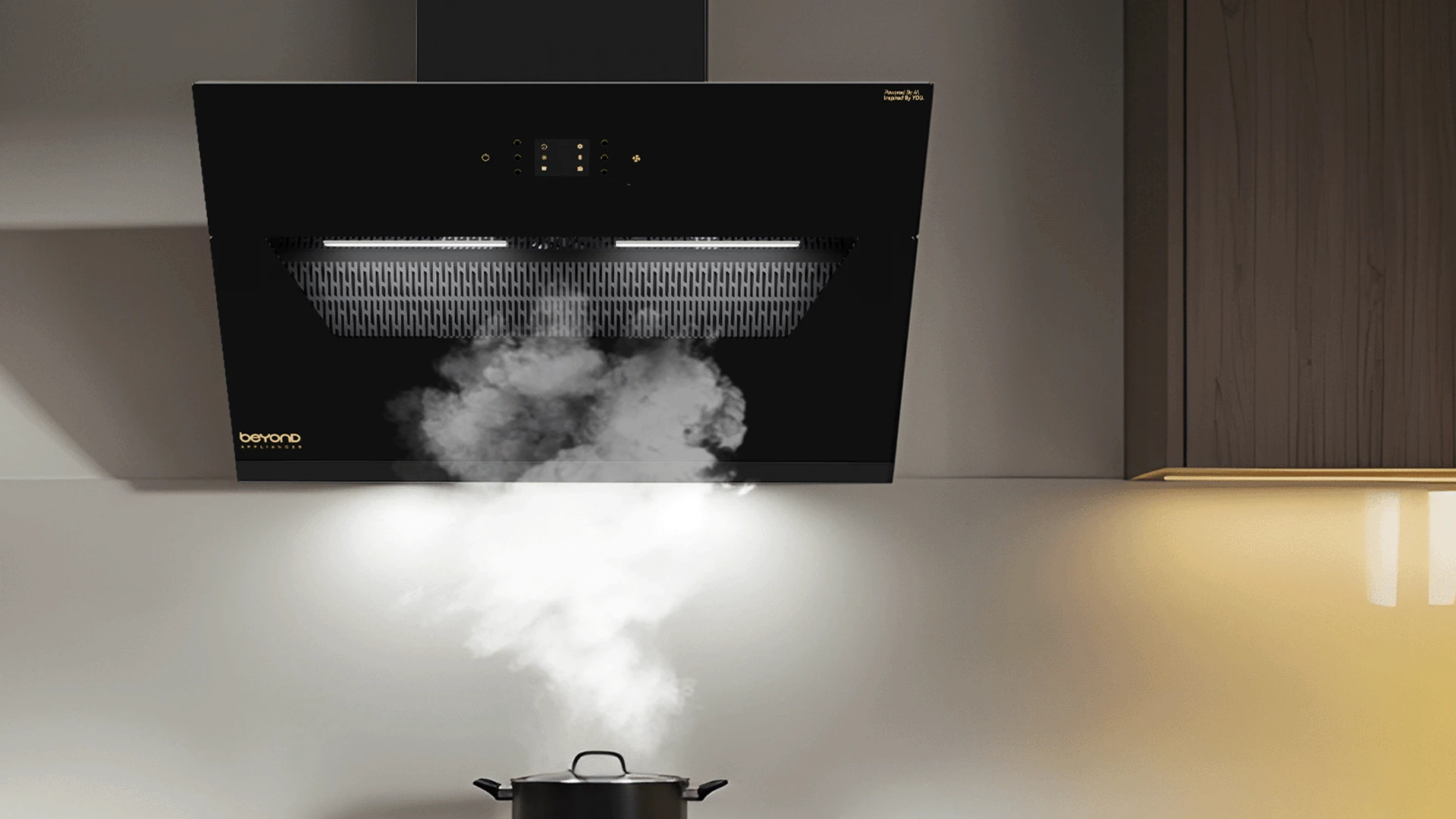
Suction power represents the force your chimney uses to pull air and particles from your cooking area. This force determines how effectively your system captures smoke, grease, and odors before they spread throughout your kitchen. Strong suction creates better negative pressure kitchen conditions, ensuring that cooking fumes move toward the exhaust rather than dispersing into your home. Modern systems like the Android Chimney Asteria deliver 1408 CMH suction power, specifically designed for Indian cooking demands.
Effective ventilation efficiency requires balancing both airflow volume and suction strength. High airflow without adequate suction won't capture fumes effectively. Strong suction with low airflow creates noise without proper air movement. The best systems optimize both parameters to create superior chimney performance that handles heavy cooking loads while operating quietly.
Chimney draft creates the foundation for effective kitchen ventilation through natural and mechanical principles. Understanding these concepts helps you maximize your system's performance.
Natural chimney draft occurs when hot air rises through your ventilation system, creating upward airflow. This process works best when temperature differences exist between your cooking area and the exhaust outlet. The stack effect pulls cooking fumes upward naturally, reducing the workload on your mechanical ventilation system. Proper air circulation kitchen design takes advantage of this natural phenomenon.
Several elements influence your range hood airflow effectiveness. Ductwork length and design significantly impact performance - longer ducts with multiple bends reduce airflow efficiency. Kitchen layout affects how air moves through the space, while ceiling height influences natural draft patterns. External wind conditions can either help or hinder exhaust performance, depending on your home's orientation and local weather patterns.
Ventilation efficiency depends on capture rate, air changes per hour, and smoke clearance time. Effective systems should clear visible smoke within 30 seconds and remove cooking odors within 2-3 minutes. Modern chimneys with filterless designs, like advanced models with dry heat auto-clean technology, maintain consistent performance without the airflow restrictions that dirty filters create.
Optimizing your chimney performance requires attention to installation, maintenance, and operational practices. These strategies ensure maximum ventilation efficiency for years of reliable service.
Proper chimney placement directly affects cooking fumes removal effectiveness. Install your chimney 24-26 inches above gas cooktops and 20-24 inches above electric surfaces. This distance ensures optimal capture without interfering with cooking activities. Center the chimney over your cooking area to create even suction across all burners. Island installations require higher capacity systems to compensate for cross-currents from multiple directions.
Regular maintenance preserves range hood airflow performance and prevents efficiency losses. Clean grease filters monthly or choose filterless systems that eliminate this maintenance requirement. Inspect ductwork annually for obstructions, damage, or excessive grease buildup. Systems with dry heat auto-clean technology automatically maintain internal cleanliness, melting accumulated oil and directing it to collection trays for easy removal.
Operating your chimney at the right speed optimizes both chimney airflow vs suction power performance. Start ventilation before cooking begins to establish proper air circulation kitchen patterns. Use higher speeds for heavy frying or grilling, then reduce to lower settings for simmering or light cooking. Auto turn-off features help maintain air quality without wasting energy or creating unnecessary noise.
Modern kitchen chimneys incorporate smart technology and innovative designs that improve ventilation efficiency while adding convenience to your cooking experience.
Touch panel controls and infotainment screens make chimney operation more intuitive and responsive. Advanced systems offer touchscreen interfaces with multiple control options, allowing precise adjustment of exhaust fan power based on cooking requirements. Some models include kitchen companion features that help you order groceries, set cooking reminders, and access recipes while maintaining optimal ventilation.
Dual speakers and entertainment screens transform your chimney into a multimedia hub. Watch cooking shows, listen to music, or follow video recipes while your ventilation system handles cooking fumes removal. These features make cooking more enjoyable without compromising chimney performance. Heat-resistant displays withstand kitchen conditions while remaining easy to clean.
LED lighting provides bright, energy-efficient illumination for your cooking surface. Modern chimneys use efficient motors that deliver strong suction power while consuming less electricity. Variable speed controls allow you to match ventilation intensity to cooking demands, reducing energy waste during light cooking activities.
Both chimney airflow vs suction power are essential for effective ventilation. Airflow determines how much air moves through your system, while suction power affects how well it captures cooking fumes. The best systems balance both parameters for optimal cooking fumes removal performance.
Multiply your kitchen area by ceiling height, then multiply by 10-12 for the minimum CMH requirement. For heavy Indian cooking, choose systems with 20-25% higher capacity. Consider factors like cooking frequency, kitchen layout, and the types of food you prepare regularly.
Filterless designs actually improve range hood airflow by eliminating restrictions that dirty filters create. These systems use alternative cleaning methods like dry heat auto-clean technology to maintain internal cleanliness without reducing airflow efficiency.
Clean external surfaces weekly and inspect internal components monthly. Systems with auto-clean features require less frequent manual cleaning. Empty oil collection trays when full, typically every 2-3 months for regular cooking households.
Common causes include inadequate exhaust fan power, blocked ductwork, improper installation height, and insufficient makeup air. Negative pressure kitchen conditions can also result from oversized ventilation systems that create backdrafting problems.
Professional installation ensures proper ductwork design, electrical connections, and optimal positioning for maximum ventilation efficiency. Proper installation prevents common problems that reduce chimney performance and void warranty coverage.
Maximizing chimney airflow vs suction power requires understanding both concepts and how they work together for effective kitchen ventilation. Choose systems with adequate capacity for your cooking style, maintain them properly, and position them correctly for optimal cooking fumes removal. Modern features like filterless designs, auto-clean technology, and smart controls enhance performance while reducing maintenance requirements. Remember that both airflow volume and suction strength matter equally for creating the healthy, comfortable cooking environment your family deserves.
