

How to Master Ductless Chimney Grease Control
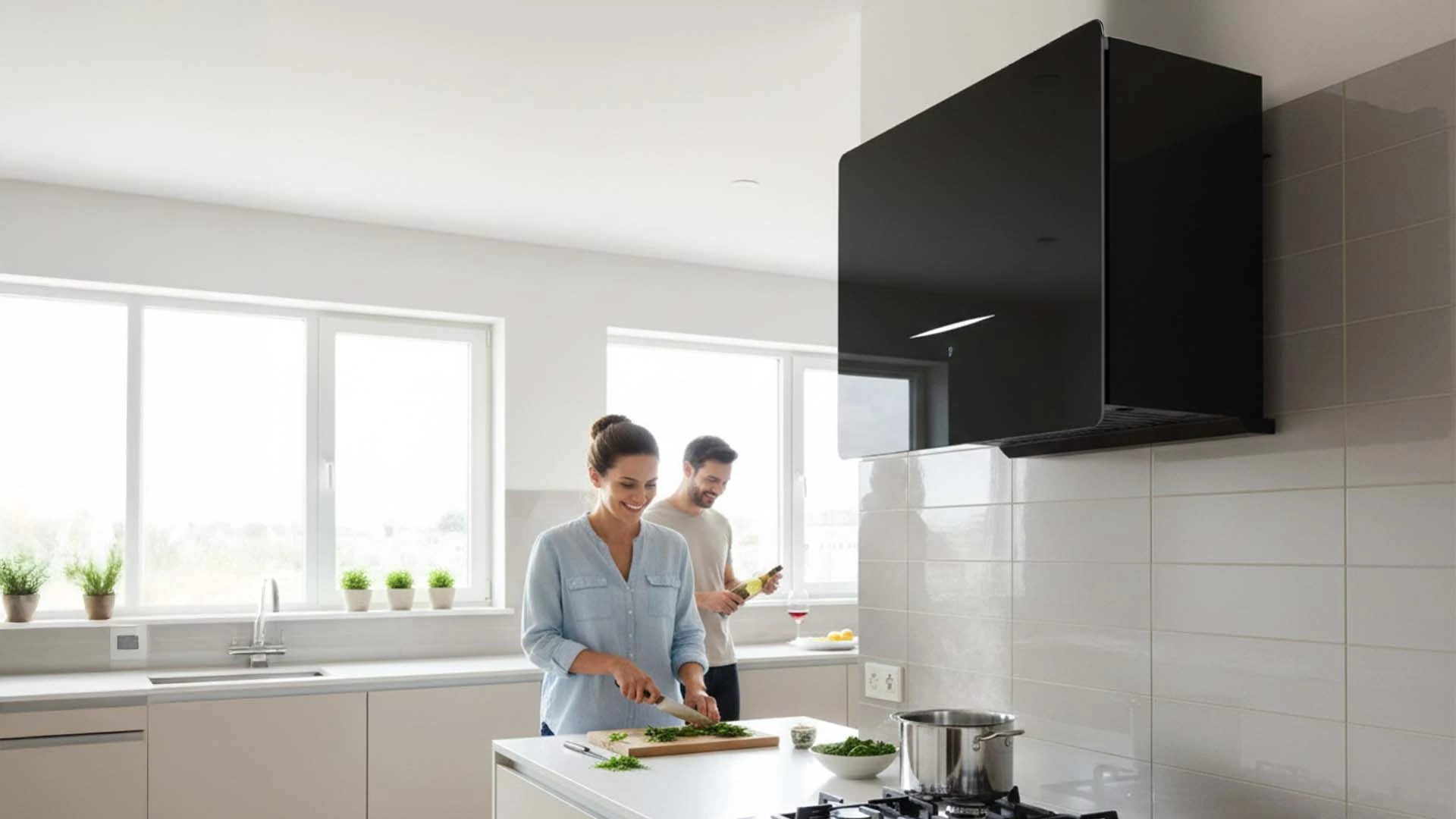
Modern kitchens face a constant challenge: managing grease, smoke, and odors while maintaining healthy indoor air quality. Ductless chimney grease control has emerged as a game-changing solution for homeowners who want effective kitchen ventilation without external ducting requirements. Whether you live in an apartment or a home where traditional ducted systems aren't feasible, mastering grease control techniques ensures your kitchen remains fresh, clean, and comfortable. This comprehensive guide explores proven methods to optimize your ductless range hood performance and maintain superior air quality in your cooking space.
Ductless range hoods operate on a fundamentally different principle than traditional ducted systems. Instead of expelling air outside, these ventless hoods use multi-stage filtration to clean and recirculate air back into your kitchen. The process begins when cooking vapors are drawn into the hood through powerful suction motors.
The grease control methods in ductless systems rely on layered filtration technology. First, aluminum mesh or baffle filters capture grease particles and larger debris. Next, activated charcoal filters neutralize odors and remove smaller contaminants. Finally, the cleaned air is redistributed into your kitchen space, creating continuous air circulation.
Advanced ductless chimneys feature sophisticated filtration systems that work in sequence. Pre-filters catch large grease droplets before they reach sensitive components. Primary grease filters then trap remaining particles, while charcoal filters handle odor molecules and volatile compounds.
Ductless systems offer flexibility for apartments, condos, and homes where external venting isn't possible. They're easier to install, require no structural modifications, and provide consistent performance regardless of weather conditions or external air pressure.
Understanding your chimney grease filter components is crucial for optimal performance. Different filter types serve specific purposes in the grease removal process, and knowing their functions helps you maintain peak efficiency.
Aluminum mesh filters form the first line of defense against grease particles. These washable filters feature fine mesh construction that traps oil droplets while allowing air to flow freely. Baffle filters use angled metal plates to create turbulence, forcing grease particles to condense and drain into collection areas.
Modern grease filters are rated by their particle capture efficiency. High-quality filters can trap 95% or more of grease particles, significantly reducing buildup in your kitchen and improving air purification effectiveness.
Activated charcoal filters work alongside grease filters to provide comprehensive odor control. These filters contain millions of tiny pores that absorb odor molecules, preventing cooking smells from lingering in your kitchen space.
Effective grease control methods begin before you start cooking. Proper preparation and technique significantly impact your ductless system's performance and longevity.
Start your kitchen ventilation system 5-10 minutes before cooking to establish proper airflow. This pre-ventilation creates negative pressure that immediately captures cooking vapors as they form. Position your cookware properly under the hood's capture area, typically 24-30 inches from the cooking surface for optimal performance.
Different cooking methods require specific fan speeds for effective grease removal. Light sautéing needs low speeds, while high-heat frying demands maximum suction power. Adjust speeds based on cooking intensity rather than using one setting for all tasks.
Modern ductless chimneys like the Android Chimney Asteria feature smart monitoring systems. With 1408 CMH suction power designed for Indian cooking, these systems automatically adjust performance based on cooking conditions. The filterless design eliminates traditional filter maintenance while maintaining superior grease control.
Regular maintenance is essential for maintaining healthy kitchen air and optimal indoor air quality. A structured cleaning schedule prevents grease buildup and ensures consistent performance from your ductless system.
Weekly cleaning should focus on visible grease accumulation on filters and surfaces. Remove aluminum mesh filters and wash them with warm, soapy water. For stubborn grease, use a degreasing solution and soft brush to remove buildup without damaging the filter material.
Monthly maintenance involves thorough cleaning of all accessible components. Clean the hood's interior surfaces, fan blades, and grease collection areas. Check charcoal filters for saturation and replace them if they've lost their odor-absorbing capacity.
Grease filters typically last 6-12 months with regular cleaning, while charcoal filters need replacement every 3-6 months depending on cooking frequency. Advanced systems like those with dry heat auto clean technology extend maintenance intervals by automatically cleaning internal components.
Odor control in ductless systems extends beyond standard filtration. Advanced techniques combine multiple approaches to ensure your kitchen maintains fresh, clean air even during intensive cooking sessions.
Activated charcoal optimization involves strategic placement and regular replacement of odor-absorbing materials. Some systems use replaceable charcoal cartridges, while others feature regenerable charcoal that can be reactivated through heating cycles.
Start your ventilation system early to establish proper airflow patterns. This proactive approach prevents odor molecules from dispersing throughout your home before they can be captured and filtered.
Supplement your ductless system with natural odor absorbers like activated charcoal bowls, baking soda containers, or essential oil diffusers. These additions provide continuous odor control between cooking sessions.
Clean aluminum grease filters weekly with regular cooking, or bi-weekly for light use. Charcoal filters should be replaced every 3-6 months depending on cooking frequency and intensity.
High-quality ductless systems can eliminate 90-95% of cooking odors when properly maintained. Systems with advanced filtration and adequate CFM ratings provide excellent odor control for most cooking activities.
Grease filters capture oil particles and debris, while charcoal filters absorb odor molecules and volatile compounds. Both work together to provide comprehensive air cleaning in ductless systems.
Replace grease filters when they become difficult to clean, show signs of damage, or no longer capture grease effectively. Visible wear, tears, or persistent odors indicate replacement time.
Modern ductless hoods with high CFM ratings and advanced filtration handle heavy cooking effectively. Systems like the Android Chimney Asteria with 1408 CMH suction are specifically designed for intensive Indian cooking styles.
Mastering ductless chimney grease control requires understanding your system's capabilities, maintaining proper cleaning schedules, and implementing effective cooking techniques. With the right approach, ductless range hoods provide excellent kitchen ventilation and indoor air quality without the complexity of external ducting. Regular maintenance, proper operation, and quality filtration components ensure your kitchen remains a healthy, comfortable space for cooking and gathering. Remember that investing in a high-quality ductless system with advanced features like auto-cleaning technology and smart controls simplifies maintenance while delivering superior performance for years to come.
