
How to Install a Kitchen Chimney Like a Pro
Cart
Your cart is empty
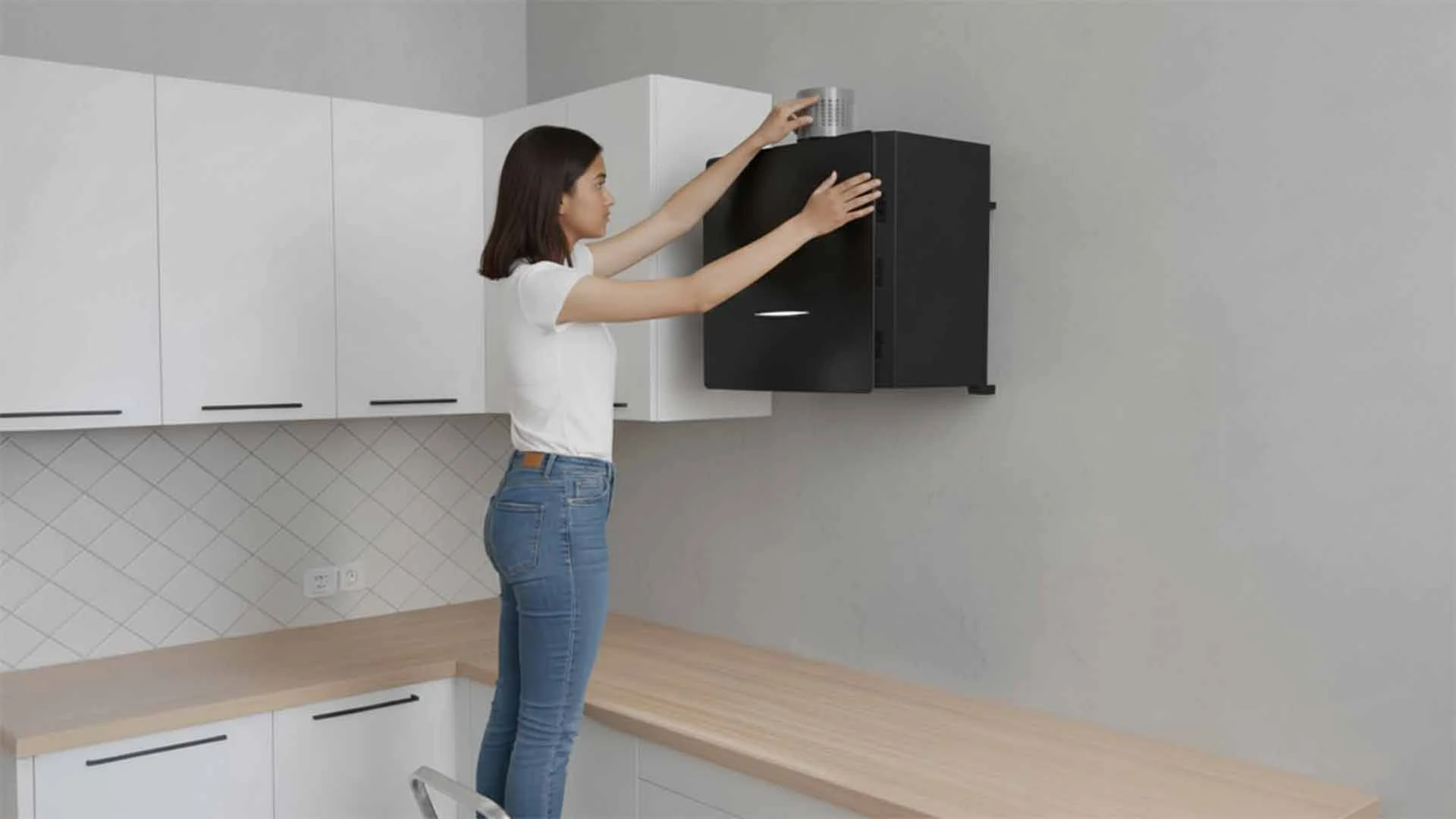
Installing a kitchen chimney might seem like a complex task, but with the right guidance and tools, you can transform your cooking space into a well-ventilated haven. A properly installed kitchen ventilation system not only removes smoke and odors but also protects your family's health by maintaining clean air quality. Whether you're upgrading your existing setup or installing a new chimney, this comprehensive guide will walk you through every step of the DIY kitchen chimney installation process. From selecting the right tools to avoiding common mistakes, you'll learn how to achieve professional results while saving on installation costs.
Successful DIY kitchen chimney installation begins with proper preparation and having the right tools at your disposal. The quality of your installation largely depends on using appropriate equipment and materials that ensure both safety and functionality.
Your toolkit should include a powerful drill with masonry bits, a reliable screwdriver set, measuring tape, spirit level, and pencil for marking. Additionally, you'll need a stud finder to locate wall supports, safety goggles, and work gloves. A ladder or sturdy platform is essential for reaching ceiling-mounted installations safely.
The material list includes stainless steel ducting pipes, pipe clamps, duct connectors, and mounting brackets specifically designed for your chimney model. Avoid using PVC pipes as they cannot withstand the high temperatures generated during cooking. Stainless steel or aluminum ducting ensures durability and safety. You'll also need wall plugs, screws, and electrical wire if extending power connections.
Safety should never be compromised during installation. Essential protective gear includes safety goggles, work gloves, and non-slip footwear. If you're working with electrical connections, ensure the main power is switched off and use insulated tools. The cost comparison between DIY and professional installation shows significant savings. DIY kitchen chimney installation typically costs between INR 2,000 to INR 5,000 for materials and tools, while professional installation ranges from INR 3,000 to INR 8,000.
Proper planning forms the foundation of successful kitchen chimney installation. This phase involves careful assessment of your cooking area, precise measurements, and creating a detailed installation plan that ensures optimal performance.
Begin by evaluating your current kitchen ventilation system and identifying the best location for your new chimney. Consider factors such as proximity to the cooking surface, availability of electrical connections, and access to external walls for ducting. The ideal position should be directly above your cooking range with adequate clearance from cabinets and other fixtures.
Measure your cooking area carefully and determine the ceiling height. The standard installation height for most chimneys is 28 to 30 inches above the cooking surface. This distance ensures effective smoke and odor removal while maintaining safety clearances. Create a detailed kitchen chimney installation drawing that includes all measurements, electrical points, and ducting routes.
Identify the nearest electrical connection point and plan the wiring route. For ducted systems, locate the most direct path to an external wall for the outlet. Ensure that the ducting route avoids sharp bends and maintains a slight upward slope for optimal airflow. Mark the wall outlet positioning carefully to align with your duct pipe connections.
Selecting the appropriate chimney type significantly impacts the complexity of your DIY kitchen chimney installation project. Different chimney designs require varying installation approaches and skill levels.
Android chimneys offer smart features but require additional electrical considerations for connectivity. T-shaped chimneys provide excellent suction but need precise positioning for optimal performance. Curved chimneys add aesthetic appeal while maintaining functionality, though they may require more complex mounting arrangements. Slant or inclined chimneys work well in kitchens with space constraints but need careful angle calculations during installation.
Ducted systems require external venting and are more complex to install but offer superior performance. Ductless chimneys are easier to install as they don't require external ducting, making them ideal for apartments or homes where external venting isn't feasible. Consider your kitchen layout and building restrictions when making this choice.
Calculate the required suction capacity based on your kitchen size and cooking habits. The general rule is to multiply your kitchen area by 10 to get the minimum CFM (Cubic Feet per Minute) requirement. For heavy cooking, increase this by 20-30%. Choose a chimney size that covers at least 80% of your cooking surface width for optimal smoke capture.
The actual installation process requires patience, precision, and adherence to safety protocols. Following a systematic approach ensures professional results and long-term reliability of your kitchen ventilation system.
Start by marking the exact position of mounting brackets using your installation drawing. Use a spirit level to ensure all markings are perfectly aligned. When installing a cooker hood, precise bracket positioning is crucial for stability and proper functioning. Drill pilot holes first, then gradually increase to the required size to prevent wall damage.
Install the mounting brackets using appropriate wall plugs and screws. For heavy chimneys, ensure brackets are secured to wall studs or use heavy-duty anchors. Test the bracket strength before proceeding with chimney mounting. The brackets should support the chimney weight without any movement or sagging.
Before making any electrical connections for your kitchen exhaust fan setup, ensure the main power supply is switched off. If you're not confident with electrical work, this is the time to consult a qualified electrician. Proper electrical connections are crucial for safety and optimal performance.
Most chimneys require a dedicated electrical circuit with appropriate amperage rating. Use proper electrical conduits and ensure all connections are secure and insulated. Test all electrical components before final installation to avoid complications later.
When you install kitchen vent ducting, start from the chimney outlet and work toward the external wall. Use stainless steel or aluminum ducting for durability and heat resistance. Secure all joints with appropriate clamps and ensure airtight connections to prevent efficiency loss.
Proper ducting installation is essential for healthy kitchen ventilation. Minimize bends in the ductwork and maintain a slight upward slope toward the external outlet. Seal all joints with appropriate sealant to prevent air leaks that reduce efficiency.
Even experienced DIY enthusiasts can make costly mistakes during chimney installation. Understanding these common pitfalls helps ensure a successful project and prevents safety hazards. Incorrect height positioning is one of the most frequent errors in DIY kitchen chimney installation. Installing the chimney too low creates safety hazards and reduces efficiency, while mounting it too high diminishes suction effectiveness. Always maintain the recommended 28-30 inch distance from the cooking surface.
Improper duct connections significantly reduce chimney performance and increase energy consumption. Ensure all joints are properly sealed and use appropriate clamps for secure connections. Air leaks not only reduce efficiency but can also allow grease and moisture to accumulate in unwanted areas.
Vent hood installation cost can increase dramatically if electrical work needs to be redone due to safety violations. Always follow local electrical codes and consider professional help for complex wiring. Improper electrical connections pose serious fire and safety risks.
While DIY installation can save money, certain situations require professional expertise. Complex electrical work, structural modifications, or installations in high-rise buildings often need professional intervention. Don't compromise safety to save on installation costs.
Once your DIY kitchen chimney installation is complete, thorough testing ensures everything functions correctly and safely. Proper initial setup and maintenance scheduling extend your chimney's lifespan and maintain optimal performance. Begin testing by checking all electrical connections and ensuring the chimney powers on correctly. Test all speed settings and verify that the lighting system functions properly. Listen for unusual noises that might indicate loose components or improper installation.
Verify your range hood installation quality by testing suction at different speed settings. Check that smoke and steam are effectively captured and removed from the cooking area. Ensure the external vent outlet is functioning and that air flows freely without obstruction.
Install and properly position all filters according to manufacturer specifications. Clean filters before first use and establish a regular cleaning schedule. Proper filter maintenance is crucial for maintaining suction efficiency and preventing grease buildup.
Develop a maintenance schedule that includes regular filter cleaning, duct inspection, and electrical connection checks. Monthly filter cleaning and quarterly duct inspection help maintain optimal performance and prevent costly repairs.
Yes, DIY kitchen chimney installation is possible with proper tools, knowledge, and safety precautions. However, complex electrical work or structural modifications may require professional assistance. Assess your skill level honestly and don't hesitate to seek help when needed.
No, PVC pipes cannot withstand the high temperatures generated during cooking and may release harmful fumes when heated. Always use stainless steel or aluminum ducting for safety and durability. These materials handle heat effectively and maintain structural integrity over time.
DIY kitchen chimney installation typically costs between INR 2,000 to INR 5,000 for materials and tools, compared to INR 3,000 to INR 8,000 for professional installation. The exact cost depends on your chimney type, ducting requirements, and any additional electrical work needed.
Install your chimney 28-30 inches above the cooking surface for optimal suction and safety. This distance ensures effective smoke capture while maintaining safe clearance from heat sources. Adjust slightly based on your ceiling height and cooking habits.
Proper installation involves correct height positioning, center placement over the cooking surface, secure mounting with appropriate brackets, proper ducting with airtight connections, and safe electrical connections. Follow manufacturer guidelines and local building codes throughout the process.
Successful DIY kitchen chimney installation requires careful planning, proper tools, and attention to safety details. While the project can save significant money compared to professional installation, never compromise on safety or quality. Take time to understand your specific chimney requirements and don't hesitate to consult professionals for complex electrical or structural work. With proper preparation and execution, you can achieve professional-quality results that provide years of reliable service and healthy kitchen ventilation for your family.
