

How to Install a Chimney: Best Practices for Safety
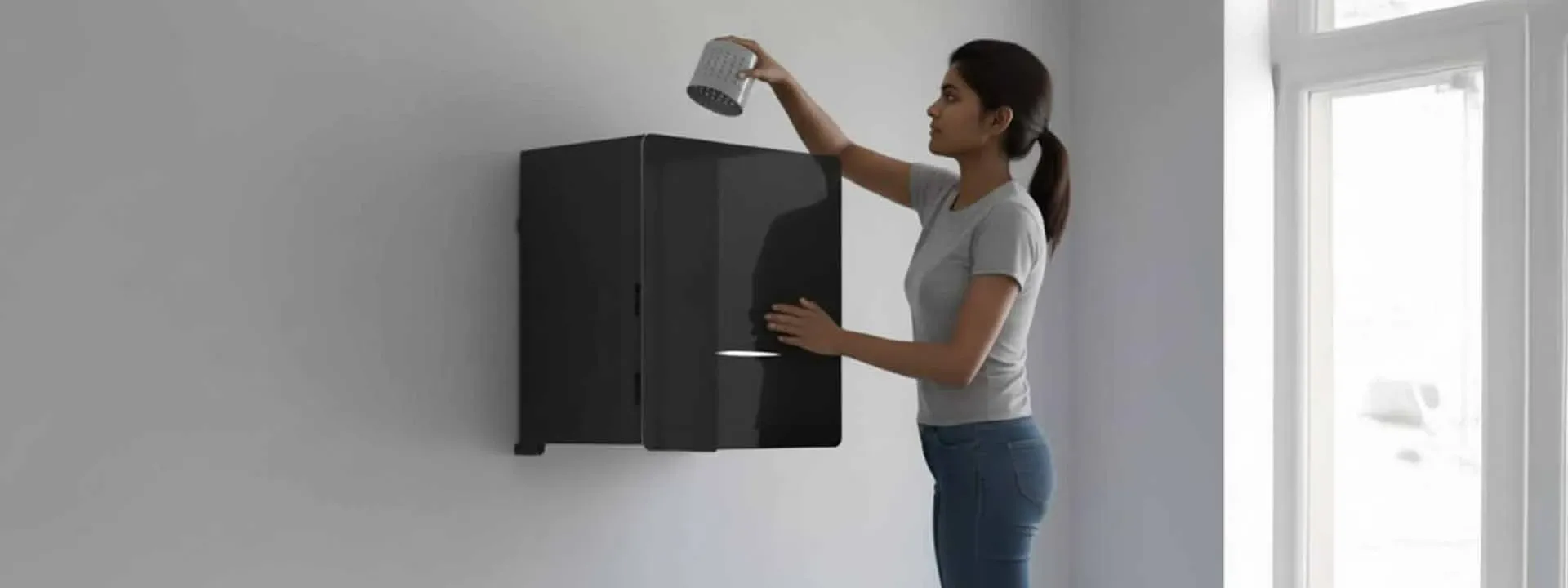
Installing a kitchen chimney requires careful planning, proper materials, and strict adherence to safety protocols. Following established best practices ensures optimal performance and prevents costly mistakes. Modern kitchen chimneys from Beyond Appliances integrate advanced features such as filterless technology and auto-clean functions, but even the smartest systems depend on proper installation fundamentals. Understanding local building codes, structural requirements, and ventilation principles forms the foundation of any successful kitchen chimney project.
Kitchen chimney installation requires following specific height clearances and obtaining proper permits before starting work
Kitchen chimneys need specific positioning 26-27 inches above cooktops with maximum 12-foot ductwork runs for optimal performance
Professional installation ensures code compliance, proper venting, and warranty protection for complex systems
Successful kitchen chimney installation begins long before any construction starts. Understanding your local building codes prevents delays and ensures compliance with safety standards. Most areas require permits for new chimney construction, especially when structural modifications are involved.
Building codes vary by location, but most follow similar principles for kitchen chimney system requirements. Your local building department will specify minimum clearances from combustible materials, typically varying distances for metal systems. Foundation requirements depend on chimney weight and height, with most requiring concrete footings extending below the frost line.
Kitchen chimneys differ significantly from fireplace systems in both design and installation requirements. Modern kitchen exhaust systems like Beyond Appliances' Orion or Eris models feature powerful suction capabilities up to 1600 CMH, requiring specific ductwork considerations. While fireplace chimneys have different clearance requirements and draft calculations, kitchen chimneys focus on efficient extraction of smoke, oil, and odors common in Indian cooking.
Two fundamental rules govern safe kitchen chimney installation and ensure proper chimney venting. These regulations prevent downdrafts, reduce fire risks, and maintain optimal performance across all weather conditions.
Proper height clearances are crucial for effective smoke and fume extraction. Your kitchen chimney must be installed at the correct height above the cooktop to effectively capture airborne grease and smoke, especially important for the high heat and spices used in Indian cooking. This prevents smoke from escaping into the kitchen and ensures optimal performance.
While traditional draft calculations are more critical for fireplace chimneys, understanding airflow is vital for kitchen chimneys. This involves ensuring adequate ventilation in the kitchen and proper sizing of ductwork or filter systems to handle the volume of air and contaminants generated during cooking. For kitchen applications, this calculation helps determine optimal ductwork sizing and fan power requirements.
Proper installation follows a systematic approach that prioritizes safety and performance. Each phase builds upon the previous work, making careful execution essential at every step.
While masonry chimneys require substantial foundations, most kitchen chimney installations involve mounting to a wall or cabinet. Ensure the mounting surface is structurally sound and can support the weight of the chimney. Install proper drainage around any wall penetrations and apply waterproof membrane to prevent moisture infiltration.
For wall-mounted or under-cabinet systems, follow manufacturer instructions for secure mounting. Chimney liner installation is typically not applicable for kitchen chimneys unless a ducted system is being installed. Modern prefab systems simplify installation but still require precise alignment and proper support. Flue pipe installation must include proper clearances and secure mounting brackets.
Roof penetration and flashing are only relevant for ducted kitchen chimney systems that vent externally. Cut roof openings carefully, allowing for thermal expansion around the chimney. Install step flashing as you build up each course of roofing material, ensuring each piece overlaps the previous one. Apply roofing cement generously but avoid excess that can trap moisture.
Kitchen chimney installation follows specific guidelines that differ from traditional fireplace chimneys. Modern systems like Beyond Appliances' Plug 'N' Play models eliminate ducting requirements entirely, simplifying installation while maintaining powerful suction capabilities and addressing the challenges of Indian cooking environments.
Install kitchen chimneys 26-27 inches above the cooking surface for optimal capture efficiency, especially crucial for handling the heavy oil and spices in Indian cooking. This height balances effective smoke removal with comfortable cooking clearance. Position the chimney directly above the primary cooking area, ensuring it covers the entire cooktop width. Maintain minimum 6-inch clearances from gas lines and electrical outlets.
Traditional ducted systems work best with straight, short runs to the exterior. Limit total ductwork length to 12 feet maximum, reducing this distance by 2 feet for each 90-degree turn. Use smooth metal ducting rather than flexible materials to minimize airflow resistance. Beyond Appliances' ductless models like the Plug 'N' Play BLDC eliminate these constraints while providing 1600 CMH suction through advanced filtration, ideal for kitchens with limited external venting options.
Proper finishing components protect your kitchen chimney investment and ensure long-term performance. These elements guard against weather, animals, and debris while maintaining optimal airflow.
Chimney cap installation is generally not applicable for kitchen chimneys unless they are ducted systems venting externally. For ducted systems, install chimney caps with adequate overhang to shed water away from the flue opening. Choose caps with spark arresters in fire-prone areas and ensure screen openings are small enough to exclude birds and small animals. Secure caps with stainless steel fasteners to resist corrosion.
Install dampers according to manufacturer specifications, ensuring smooth operation and tight sealing when closed. Modern kitchen chimneys often include automatic controls that adjust fan speed based on cooking activity. Test all control systems thoroughly before completing installation.
Post-installation testing verifies proper operation and identifies potential issues before they become problems. Professional inspection ensures code compliance and optimal performance.
Conduct tests to verify proper airflow and check for leaks throughout the system. Test all electrical connections and control systems. For kitchen chimneys, verify suction performance at all fan speeds and check noise levels. Document all test results for warranty and maintenance records.
Schedule annual inspections to identify wear, damage, or blockages early. Clean kitchen chimney filters regularly or replace activated carbon filters as recommended. Beyond Appliances' filterless models with auto-clean technology reduce maintenance requirements while maintaining peak performance. Address minor repairs promptly to prevent costly major problems.
Install kitchen chimneys 26-27 inches above the cooktop, ensure adequate electrical supply, and maintain proper clearances from gas connections. For ducted models, limit ductwork to 12 feet maximum length with minimal turns. Consider the specific needs of Indian cooking, such as high heat and oil usage, when selecting and positioning your chimney.
Chimney flashing is only relevant for ducted kitchen chimneys. Use step flashing that overlaps each course of roofing material by at least 4 inches. Apply roofing cement under each piece and ensure proper overlap to direct water away from the chimney penetration.
Hire professionals for structural modifications, electrical work, or when local codes require licensed installation. DIY installation may be suitable for simple kitchen chimney mounting if you have proper tools and experience, especially for ductless models.
Ductless systems like Beyond Appliances' Plug 'N' Play models offer easier installation without core cutting or external ducting, making them ideal for apartments or kitchens with limited venting options. They provide powerful suction through advanced filtration technology, effectively handling smoke and odors from Indian cooking.
Installation costs vary based on chimney type, structural modifications required, local labor rates, permit fees, and complexity of ductwork routing. Professional installation typically costs ₹5,000-₹15,000 for kitchen chimneys, depending on the model and installation complexity.
Proper kitchen chimney installation requires careful planning, quality materials, and attention to safety protocols. Following established best practices like correct height clearances and proper ductwork guidelines ensures optimal performance and longevity. Modern kitchen chimneys with advanced features like auto-clean technology and filterless operation simplify maintenance while providing superior performance, especially for the demands of Indian cooking. Whether installing a ducted or ductless system, professional installation often provides the best value through code compliance, warranty protection, and peace of mind.
