
How to Determine the Perfect Chimney Size for Your Home
Cart
Your cart is empty
Choosing the right chimney size for your home is crucial for optimal performance, safety, and efficiency. Whether you're installing a kitchen chimney for your cooking area or planning a fireplace chimney for your living space, understanding what size chimney needed depends on several factors including your appliance specifications, room dimensions, and local building codes. The wrong size can lead to poor ventilation, safety hazards, and increased energy costs. This comprehensive guide will help you navigate through chimney sizing requirements, measurement techniques, and selection criteria to ensure you make the right choice for your home's specific needs.
Determining what size chimney needed starts with understanding the fundamental differences between various chimney applications and their specific requirements. Kitchen chimneys and fireplace chimneys serve different purposes and require distinct sizing approaches based on their intended use and performance expectations. The sizing process involves multiple measurements including width, depth, height, and flue diameter. Each dimension plays a critical role in the chimney's ability to effectively remove smoke, odors, and combustion gases from your home.
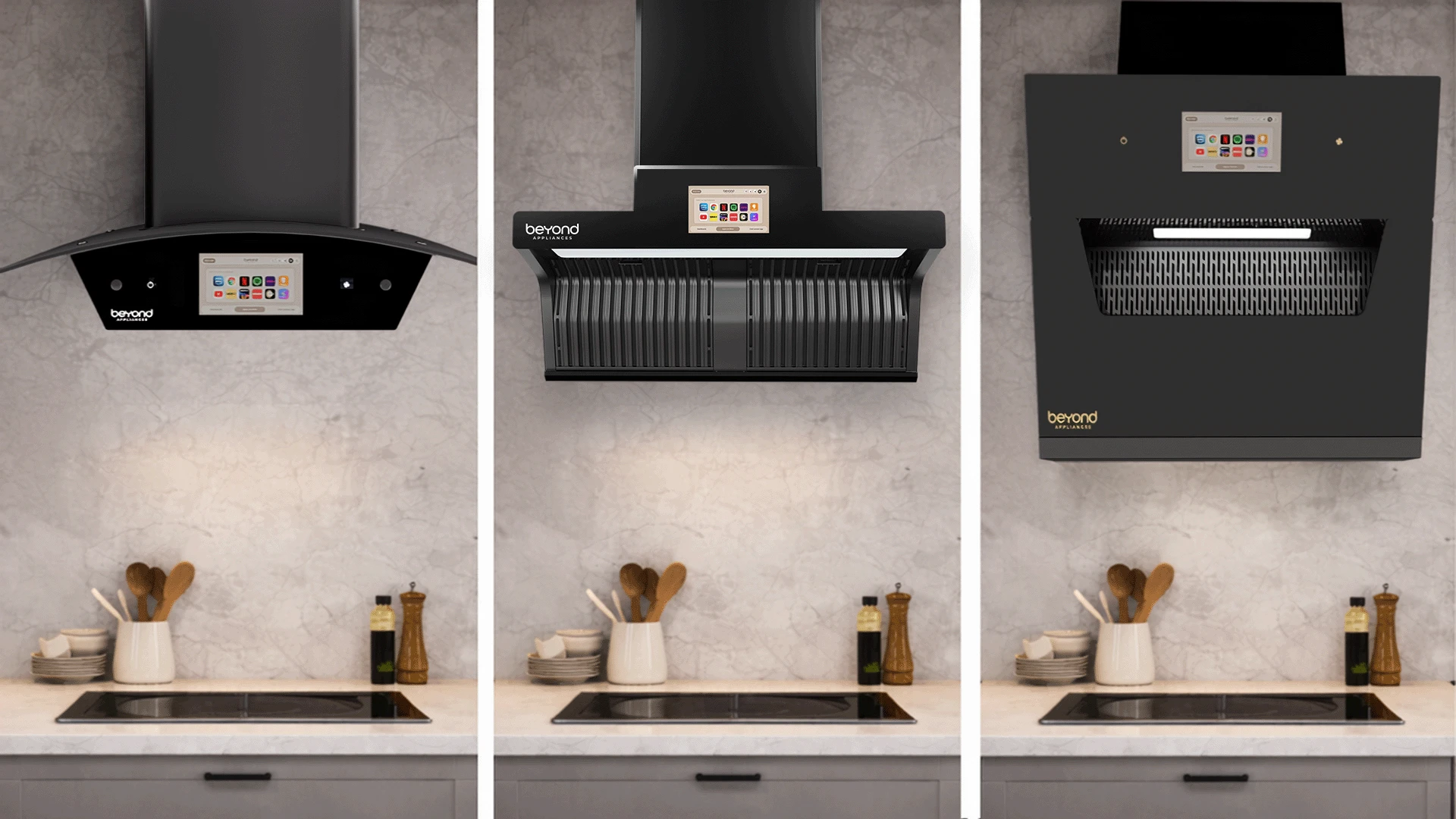
Kitchen chimneys focus primarily on capturing cooking fumes and grease particles, requiring adequate width coverage over your cooktop. Standard kitchen chimney size guide recommendations suggest the chimney should be at least as wide as your cooking surface, with additional coverage for optimal performance. Fireplace chimney dimensions depend on the heating appliance's BTU output and require precise flue sizing calculations. The cross-sectional area of the flue must match the appliance's exhaust requirements to ensure proper draft and safe operation.
Chimney dimensions are typically expressed in centimeters for kitchen applications and inches or feet for fireplace installations. Common kitchen chimney sizes include 60cm and 90cm widths, while fireplace chimneys range from 6-inch to 12-inch flue diameters depending on the heating appliance. Understanding these measurement standards helps you communicate effectively with suppliers and installers while ensuring compatibility with your existing kitchen or fireplace setup.
Selecting the appropriate kitchen chimney size directly impacts its effectiveness in removing cooking odors, smoke, and grease from your kitchen environment. The chimney size guide for kitchens considers cooktop dimensions, cooking habits, and kitchen layout to determine optimal sizing. Proper sizing ensures adequate suction coverage over your entire cooking area while maintaining efficient airflow patterns. Undersized chimneys struggle to capture all cooking emissions, while oversized units may create unnecessary energy consumption without proportional performance benefits.
A 60cm kitchen chimney works well for compact kitchens with 2-3 burner cooktops, providing sufficient coverage for moderate cooking activities. These chimneys typically offer suction capacities ranging from 400-800 CMH (Cubic Meters per Hour), suitable for light to medium cooking requirements. 90cm kitchen chimneys provide superior coverage for larger cooktops and heavy cooking activities. With suction capacities often exceeding 1000 CMH, these units effectively handle high-heat cooking, multiple simultaneous burners, and frequent frying or grilling activities common in Indian kitchens.
For 2-burner cooktops, a 60cm chimney with 400-600 CMH suction capacity typically provides adequate performance. The compact size matches the cooking area while maintaining efficient operation for basic cooking needs. 3-4 burner cooktops benefit from 90cm chimneys with 600-1000 CMH capacity, ensuring complete coverage even when multiple burners operate simultaneously. This sizing prevents smoke and odor escape from outer burners.
60cm chimneys measure approximately 24 inches or 2 feet in width, fitting standard compact kitchen layouts. Installation requires minimum 24-inch cabinet openings with additional clearance for ducting and electrical connections. 90cm chimneys convert to approximately 36 inches or 3 feet, requiring larger cabinet modifications but providing comprehensive cooking area coverage for serious home cooks.
Fireplace chimney dimensions follow specific engineering principles to ensure safe and efficient operation of wood stoves, gas fireplaces, and traditional masonry fireplaces. Proper sizing prevents dangerous backdrafts while optimizing combustion efficiency and heat output. The relationship between appliance size, flue dimensions, and chimney height creates the necessary draft for proper operation. Incorrect sizing can result in poor performance, safety hazards, and potential carbon monoxide issues.
Chimney flue size calculations begin with the appliance's flue collar diameter and BTU output rating. The flue cross-sectional area should generally match or slightly exceed the appliance outlet to maintain proper draft velocity. For round flues, the diameter directly determines the cross-sectional area. Square or rectangular flues require area calculations to ensure equivalent capacity to round flue specifications.
Wood stove chimney size depends on the stove's BTU output and flue collar diameter. Most residential wood stoves require 6-inch or 8-inch diameter chimneys, with larger units potentially needing 10-inch or 12-inch flues. The chimney height significantly impacts draft performance, with minimum heights typically ranging from 15-25 feet depending on roof configuration and surrounding structures.
Chimney height requirements follow the 10-3-2 rule: chimneys must extend at least 10 feet above the roof penetration point, 3 feet above the roof surface, and 2 feet above any structure within 10 feet horizontally. Local building codes may impose additional height requirements based on climate conditions, surrounding vegetation, or neighborhood regulations.
Accurate measurement is essential for determining what size chimney needed and ensuring proper fit during installation. The measurement process varies depending on whether you're sizing a new installation or replacing an existing chimney system. How to measure chimney dimensions requires specific tools and techniques to account for both interior and exterior constraints. Professional measurement ensures compliance with building codes and optimal performance.
Measuring existing chimneys requires accessing both interior and exterior dimensions. Interior measurements determine flue size and condition, while exterior measurements assess structural integrity and clearance requirements. Use a measuring tape, flashlight, and mirror to safely assess interior dimensions without entering the chimney. Exterior measurements should include height, width, and distance from roof edges and nearby structures.
Chimney diameter calculations for new installations start with appliance specifications and intended use. Kitchen chimneys require width calculations based on cooktop dimensions, while fireplace chimneys need flue diameter calculations based on BTU output. Consider future needs when sizing new installations, as upgrading appliances later may require chimney modifications if initially undersized.
Verifying correct chimney size involves checking manufacturer specifications, local building codes, and performance requirements. Professional consultation ensures compliance with safety standards and optimal operation. Performance testing after installation confirms proper sizing through draft measurements, smoke tests, and efficiency evaluations.
A comprehensive chimney sizing chart provides quick reference for common applications and sizing scenarios. These charts consider appliance types, BTU outputs, and standard installation configurations to simplify the selection process. Using sizing charts as starting points helps narrow options before detailed calculations and professional consultation. However, charts cannot replace proper engineering analysis for complex installations or unique situations.
Kitchen chimney sizing typically follows cooktop width plus 6-12 inches for optimal coverage. 2-burner stoves work with 60cm chimneys, while 4+ burner configurations benefit from 90cm units. Fireplace chimney sizing correlates BTU output to flue diameter: 30,000-50,000 BTU requires 6-inch flues, 50,000-80,000 BTU needs 8-inch flues, and higher outputs require 10-inch or larger flues.
Climate affects chimney sizing through temperature differentials that drive natural draft. Colder climates may require larger flues to compensate for reduced temperature differences, while warmer regions might operate effectively with smaller dimensions. Local building materials and construction practices also influence sizing decisions, particularly for masonry chimneys where wall thickness affects interior dimensions.
Improper chimney sizing represents one of the most common installation errors, leading to performance issues, safety concerns, and costly corrections. Understanding these mistakes helps homeowners make informed decisions and avoid problematic installations. Sizing a chimney incorrectly typically results from inadequate planning, misunderstanding appliance requirements, or attempting to minimize costs through undersizing.
Undersized chimneys struggle to create adequate draft for proper operation, resulting in poor combustion, smoke spillage, and potential carbon monoxide issues. Kitchen chimneys that are too small fail to capture cooking emissions effectively, allowing odors and grease to spread throughout the home. The cost of correcting undersized installations often exceeds the initial savings from choosing smaller dimensions, making proper initial sizing more economical long-term.
Oversized chimneys can create excessive cooling of flue gases, reducing draft efficiency and potentially causing condensation problems. The larger interior volume requires more energy to heat, slowing the establishment of proper draft conditions. Installation costs increase with chimney size due to larger materials requirements and more complex structural support needs.
For a 4-burner gas stove, a 90cm (36-inch) chimney is recommended for optimal performance. While a 60cm chimney might work for light cooking, the 90cm size provides better coverage and suction efficiency, especially for Indian cooking styles that involve high heat and multiple simultaneous burners. The larger size ensures complete capture of cooking emissions from all burners.
The correct flue size matches your wood stove's flue collar diameter and BTU output. Most residential wood stoves require 6-inch or 8-inch diameter flues. Check your stove's specifications for the exact flue collar size, and ensure the chimney flue matches this dimension. Never reduce flue size above the stove, as this creates dangerous backdraft conditions.
Chimney height requirements follow the 10-3-2 rule: minimum 10 feet above the roof penetration, 3 feet above the roof surface at the penetration point, and 2 feet above any structure within 10 horizontal feet. Local building codes may require additional height based on specific conditions. Proper height ensures adequate draft and prevents downdrafts from nearby structures.
While a 60cm chimney can handle light to moderate Indian cooking, heavy cooking with frequent frying, grilling, and high-heat preparations benefits significantly from a 90cm chimney. The larger size provides better coverage and higher suction capacity (typically 800+ CMH) needed to effectively remove the substantial smoke and odors generated by intensive Indian cooking methods.
To convert chimney measurements: multiply centimeters by 0.39 for inches, or divide by 2.54. For example, 60cm equals 23.6 inches, and 90cm equals 35.4 inches. For feet conversion, divide centimeters by 30.48. Understanding these conversions helps when comparing products or following installation guidelines that use different measurement systems.
Determining what size chimney needed requires careful consideration of your specific application, whether for kitchen ventilation or fireplace operation. Kitchen chimneys should match or exceed your cooktop width, with 60cm suitable for compact setups and 90cm recommended for larger cooking areas and heavy use. Fireplace chimney sizing depends on appliance BTU output and flue collar dimensions, with proper height being equally important for safe operation. Always consult manufacturer specifications and local building codes to ensure compliance and optimal performance. Professional measurement and consultation provide the most reliable sizing recommendations, especially for complex installations or unique situations. Investing in proper sizing initially prevents costly corrections and ensures years of safe, efficient operation from your chimney system.
