
How to Determine Proper Chimney Height Safely
Cart
Your cart is empty
Getting the chimney height right is crucial for both safety and performance. Whether you're installing a kitchen chimney above your cooktop or setting up a fireplace chimney, proper height ensures optimal ventilation, prevents dangerous backdrafts, and keeps your home safe from fire hazards. Understanding chimney installation height requirements helps you comply with building codes while maximizing your appliance's efficiency. From the essential 3-2-10 rule to specific measurements for different stove types, proper planning saves you from costly mistakes and potential safety issues down the road.
Proper chimney height isn't just about following rules – it's about creating a safe, efficient ventilation system that protects your home and family. Building codes exist for good reasons, and understanding these requirements helps you make informed decisions about your chimney installation. The science behind chimney height involves airflow dynamics, heat transfer, and fire safety principles. When chimneys are too low, they can't create proper draft, leading to poor ventilation and potential carbon monoxide buildup. Too high, and you might face structural issues or unnecessary costs.
The 3-2-10 rule forms the foundation of chimney codes across most regions. This rule states that your chimney must extend at least 3 feet above the point where it penetrates your roof. Additionally, it should be 2 feet higher than any structure within 10 feet horizontally. This rule prevents downdrafts caused by nearby structures or roof lines that can push smoke back into your home. Wind patterns around buildings create pressure zones, and proper height ensures your chimney stays in the positive pressure zone for consistent draft.
Kitchen chimneys follow different standards than fireplace chimney height requirements. Kitchen installations focus on capture efficiency and user safety, while building chimneys prioritize structural integrity and fire prevention. Wood stove chimney height regulations often require greater clearances due to higher operating temperatures and continuous use patterns. Industrial applications may have additional requirements based on the type of fuel burned and local air quality regulations.
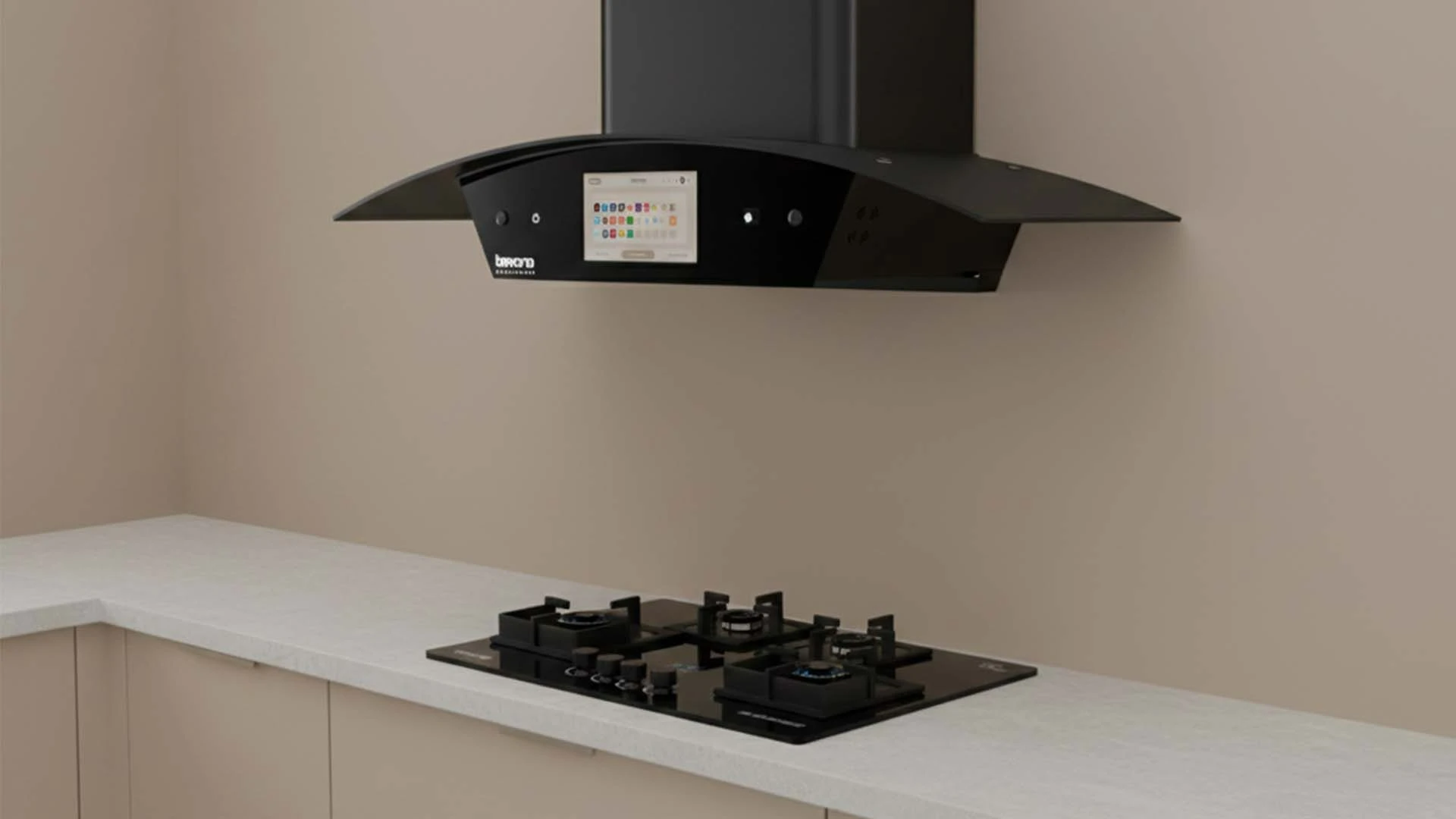
Kitchen chimney height directly affects cooking comfort and ventilation efficiency. Too low, and you'll bump your head while cooking. Too high, and the chimney won't capture smoke and grease effectively. Finding the sweet spot requires understanding your stove type, cooking habits, and kitchen layout. Modern kitchen chimneys come in various designs – from sleek curved models to powerful T-shaped units. Each design may have slightly different height recommendations based on their capture area and suction patterns.
For gas stoves, the optimal chimney height ranges from 24 to 30 inches above the cooktop surface. This distance provides effective smoke capture while maintaining safe clearance from flames. Most manufacturers recommend 26 to 28 inches as the ideal range for standard gas burners. High-BTU burners may require additional clearance due to increased heat output. Professional-grade ranges often need 30 to 32 inches to prevent heat damage to the chimney components.
Electric cooktops generate different heat patterns compared to gas stoves. The recommended height for electric stoves is typically 28 to 32 inches above the cooking surface. This slightly higher placement accounts for the broader heat distribution pattern of electric elements. Electric stoves don't produce combustion gases, but they still generate steam, smoke, and cooking odors that need proper ventilation. The increased height also provides better clearance for tall pots and reduces the risk of accidental contact with the chimney.
Ceiling height plays a crucial role in determining final chimney placement. Low ceilings may require compact chimney designs or angled installations to maintain proper clearances. Cabinet placement also affects height decisions, especially with built-in chimney designs. Chimney suction power, measured in CFM (cubic feet per minute), influences optimal height. More powerful units can work effectively at greater heights, while lower-powered models need closer placement for adequate capture.
Chimney regulations for fireplaces and wood stoves are more stringent due to higher temperatures and continuous operation. These installations require careful attention to both height and structural support to ensure long-term safety and performance. Building codes typically mandate minimum heights to ensure proper draft and prevent downdrafts that could force dangerous gases back into living spaces. These requirements vary by region but follow similar principles worldwide.
Most building codes require a minimum chimney height of 4.5 meters (approximately 15 feet) from the appliance connection point to the chimney top. This height ensures adequate draft for proper combustion and safe venting of gases. The measurement starts from the appliance outlet and includes the entire vertical run, including any offsets or bends in the system. Additional height may be required in areas with challenging wind conditions or nearby tall structures.
Proper chimney clearance from roof materials prevents fire hazards and ensures structural integrity. Chimneys must maintain specific distances from combustible roofing materials and provide adequate support for their weight. Wind direction analysis helps determine optimal chimney placement and height. Prevailing winds can affect draft performance, and proper height calculations account for local weather patterns to ensure consistent operation.
Chimney safety regulations exist at multiple levels – national codes provide baseline standards, while local jurisdictions may impose additional requirements. Understanding these layers helps ensure your installation meets all applicable standards. Building permits are often required for chimney installations, especially for new construction or major modifications. The permit process includes plan review and inspections to verify code compliance.
The International Residential Code (IRC) provides foundational standards for chimney installations across many regions. These codes address height requirements, clearances, and construction materials to ensure consistent safety standards. Local building departments may modify these codes based on regional conditions like seismic activity, wind loads, or fire risk. Always check with local authorities before beginning any chimney installation project.
Minimum clearances from combustible materials protect against fire hazards. These distances vary based on chimney type, installation method, and surrounding materials. Metal chimneys often require different clearances than masonry installations. Heat shields and insulation materials can reduce required clearances in some situations. However, these modifications must comply with manufacturer specifications and local codes to maintain safety standards.
Accurate measurement forms the foundation of successful chimney venting requirements compliance. Proper tools and techniques ensure your calculations meet code requirements and provide optimal performance. Measurement errors can lead to costly reinstallation or safety issues. Taking time to measure correctly saves money and ensures your chimney works as intended.
Start by identifying your reference point – typically the cooking surface for kitchen chimneys or appliance outlet for building chimneys. Use a quality measuring tape and level to ensure accurate readings. For kitchen installations, measure vertically from the cooktop surface to the proposed chimney bottom. Account for any ductwork routing that might affect the final height. Document measurements and compare them to manufacturer specifications.
Using incorrect reference points leads to improper installation heights. Always measure from the actual cooking surface, not the counter or floor level. This ensures proper clearance for cooking activities. Ignoring manufacturer specifications can void warranties and create safety issues. Each chimney model has specific height requirements based on its design and performance characteristics.
Installing a chimney involves multiple safety considerations beyond just height requirements. Electrical connections, gas lines, and structural modifications often require professional expertise to ensure safe, code-compliant installation. Knowing when to call professionals versus attempting DIY installation helps prevent costly mistakes and safety hazards. Complex installations benefit from professional experience and proper tools.
Complex installations requiring structural modifications should always involve professionals. This includes situations where ceiling joists need cutting, electrical circuits require modification, or gas lines need rerouting. Permit requirements often mandate professional installation or inspection. Licensed contractors understand local codes and can navigate the permit process efficiently, ensuring your installation passes inspection.
Simple chimney installations may be suitable for experienced DIY enthusiasts. Essential safety equipment includes proper ladders, electrical testers, and gas leak detection tools. Never attempt gas line modifications without proper training and tools. Pre-installation checklists help ensure you have all necessary components and tools. Verify electrical power is disconnected before beginning work, and test all connections before final installation.
Common questions about chimney height requirements help clarify installation standards and safety considerations. These answers provide quick reference for planning your chimney installation project.
Standard kitchen chimney height ranges from 24 to 30 inches above gas stoves and 28 to 32 inches above electric cooktops. This height ensures effective smoke capture while maintaining safe clearance from cooking surfaces.
Building codes typically require minimum chimney height of 4.5 meters from appliance to chimney top, with additional clearance requirements based on nearby structures and roof penetration points.
Measure vertically from your cooktop surface to the bottom of the proposed chimney location. For gas stoves, aim for 26 to 28 inches. For electric stoves, target 28 to 32 inches for optimal performance.
Key factors include stove type, ceiling height, cabinet placement, chimney suction power, user height, and local building codes. Each factor influences the final height decision for optimal safety and performance.
Many jurisdictions require permits for chimney installations, especially for new construction or major modifications. Check with your local building department before beginning any installation project.
Simple installations may be suitable for experienced DIY enthusiasts, but complex projects involving structural modifications, gas lines, or electrical work should involve licensed professionals for safety and code compliance.
Proper chimney height ensures safe, efficient operation while complying with building codes and manufacturer specifications. Whether installing a kitchen chimney above your cooktop or a building chimney for your fireplace, understanding height requirements prevents costly mistakes and safety hazards. Take time to measure accurately, research local codes, and consider professional installation for complex projects. The investment in proper installation pays dividends in safety, performance, and long-term reliability. Remember that chimney height is just one aspect of a complete ventilation system – proper sizing, ductwork, and maintenance all contribute to optimal performance.
