

How to Choose the Right Kitchen Chimney on Budget
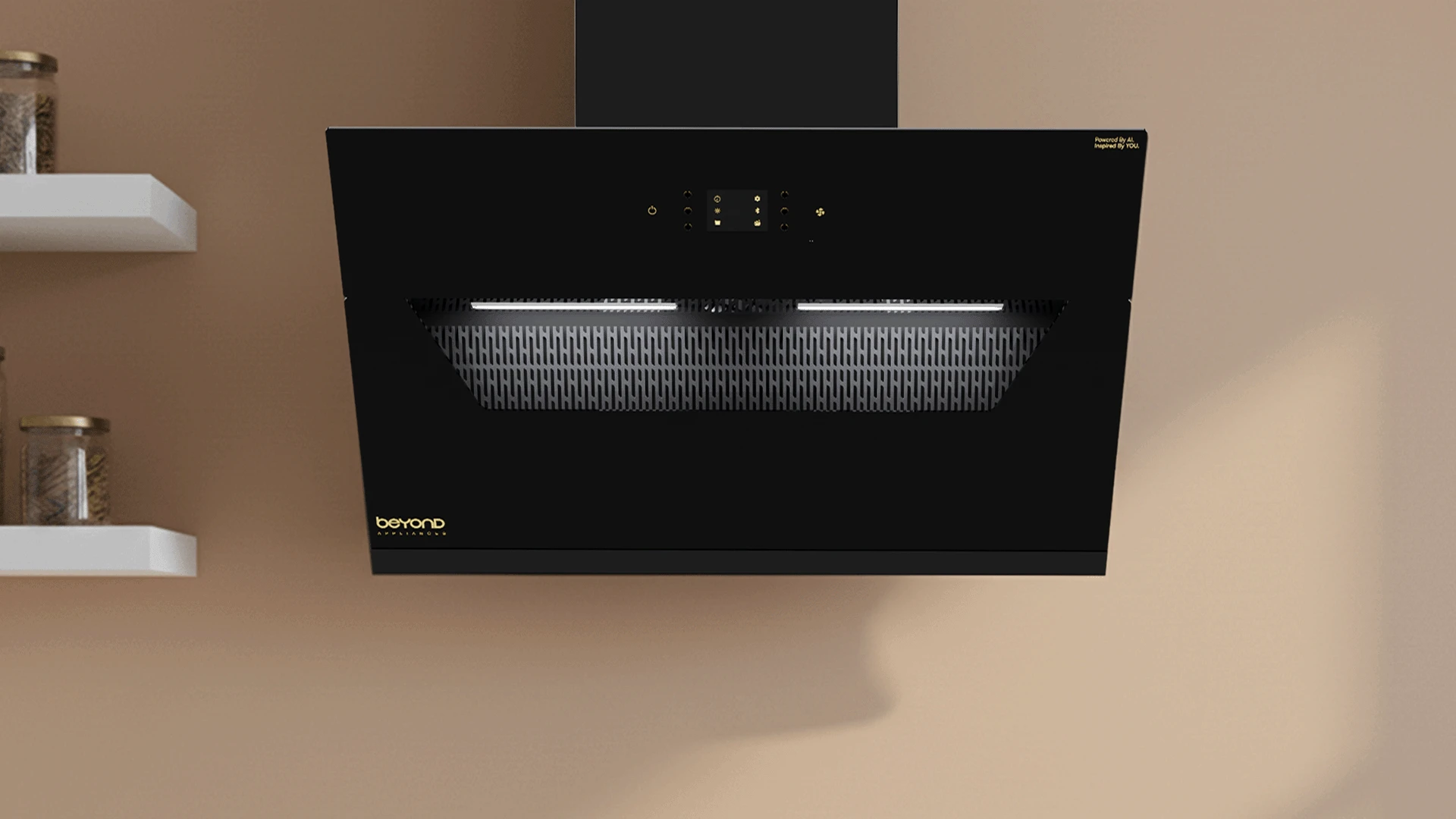
Choosing the right kitchen chimney doesn't have to break the bank. With proper planning and understanding of your needs, you can find an excellent affordable kitchen chimney price that delivers reliable performance for years. Indian kitchens produce significant smoke, grease, and odors during cooking, making proper kitchen ventilation essential for maintaining a healthy cooking environment. Smart buyers can secure quality kitchen exhaust systems within reasonable budgets by focusing on essential features rather than premium add-ons. This guide helps you navigate the market and make informed decisions about chimney price ranges that suit your specific requirements.
A kitchen chimney serves as your primary defense against smoke, grease, and cooking odors that accumulate during meal preparation. Modern range hood systems effectively remove airborne particles and maintain air quality in your cooking space. Beyond immediate comfort, proper kitchen ventilation protects your walls, cabinets, and ceiling from grease buildup and discoloration.
Every chimney for kitchen operates by creating suction that pulls contaminated air through filters before expelling it outside or recirculating clean air back into the room. The health benefits include reduced respiratory irritation from cooking fumes and elimination of lingering food odors that can spread throughout your home. Quality kitchen exhaust systems also prevent moisture buildup that leads to mold and mildew problems in poorly ventilated spaces.
Budget categories typically fall into three ranges: under INR 5,000 for basic models, INR 5,000-10,000 for mid-range options, and INR 10,000-20,000 for feature-rich systems. Chimney price variations depend on suction capacity, build quality, filter technology, and brand reputation. Smart budget allocation involves spending 60-70% on the unit itself and reserving 30-40% for installation and initial maintenance supplies.
Different types of kitchen chimney offer varying price points and installation requirements. Understanding these options helps you select the most cost-effective solution for your specific kitchen layout and cooking habits. Each type delivers distinct advantages depending on your space constraints and ventilation needs.
Ducted systems require external venting through walls or roofs, adding installation complexity but providing superior performance for heavy cooking. Ductless chimney models recirculate filtered air back into the kitchen, making them ideal for apartments or homes where external ducting isn't feasible. Installation costs for ductless systems remain significantly lower, making them attractive for budget-conscious buyers who want immediate functionality without major modifications.
Wall-mounted range hood designs offer the most affordable entry point into quality kitchen ventilation. Island cooker hood installations require additional support structures and longer ductwork, increasing overall project costs. Built-in models integrate seamlessly with cabinetry but demand precise measurements and professional installation. T-shaped and pyramid designs balance aesthetics with functionality while maintaining reasonable price points for most budgets.
Focus on core functionality rather than premium features when shopping for budget-friendly options. The best kitchen chimney for your needs delivers adequate suction power, reliable filtration, and easy maintenance without unnecessary complexity. Understanding these fundamentals helps you avoid overpaying for features you won't regularly use.
Suction capacity measured in cubic meters per hour (m³/hr) should match your cooking intensity and kitchen size. Motors with copper winding last longer than aluminum alternatives, justifying slightly higher upfront costs through extended lifespan. Noise levels below 58 decibels ensure comfortable operation during cooking, while energy-efficient motors reduce long-term electricity expenses.
Baffle filters made from stainless steel provide superior grease capture and easy cleaning compared to mesh alternatives. Auto-clean technology reduces manual maintenance but adds to initial affordable kitchen chimney price considerations. Filterless designs eliminate replacement costs but require more frequent internal cleaning. Calculate long-term maintenance expenses when comparing different filter technologies to determine true ownership costs.
Each price segment offers distinct value propositions for different user needs. Entry-level models provide essential functionality for light cooking, while mid-range options add convenience features that enhance daily use. Understanding what each category delivers helps you select the optimal balance between features and affordability.
Basic models in this range typically offer 600-800 m³/hr suction capacity with manual controls and mesh filters. Expect stainless steel construction with standard push-button operation and basic lighting. Performance suits small to medium kitchens with moderate cooking frequency, making them ideal for bachelor apartments or occasional cooking households.
Mid-range options introduce baffle filters, improved motor quality, and touch controls for enhanced user experience. Auto-clean functionality appears in this segment, reducing maintenance burden significantly. Size options expand to include both 60cm and 90cm models, accommodating various kitchen layouts and cooking surface configurations.
Advanced features like gesture controls, LED lighting, and superior build quality justify higher investment for frequent cooking households. Smart connectivity and app controls add convenience for tech-savvy users. Extended warranties and comprehensive service networks provide additional value for long-term ownership satisfaction.
Proper sizing ensures optimal performance while avoiding unnecessary expenses on oversized units. Installation requirements vary significantly between different types of kitchen chimney, affecting total project costs. Planning these aspects early prevents budget overruns and ensures smooth implementation.
Sixty-centimeter models suit most Indian kitchens with 2-3 burner cooking surfaces effectively. Ninety-centimeter units accommodate larger cooking areas and higher heat output from multiple burners operating simultaneously. Measure your cooking surface and add 10-15cm on each side for optimal coverage without overwhelming smaller spaces.
Professional installation typically costs INR 1,500-3,500 depending on complexity and local labor rates. DIY installation saves money but requires electrical knowledge and proper tools for safe completion. Factor in ducting materials, electrical connections, and mounting hardware when calculating total project expenses beyond the unit price.
Proper maintenance extends equipment life and maintains performance levels throughout ownership. Simple daily habits prevent major issues while scheduled deep cleaning ensures optimal operation. Understanding basic troubleshooting saves service call expenses and keeps your investment running smoothly.
Wipe external surfaces daily with mild detergent to prevent grease buildup and maintain appearance. Clean filters monthly or as indicated by auto-clean cycles to maintain suction efficiency. Replace mesh filters every 3-6 months while baffle filters require deep cleaning but rarely need replacement with proper care.
Reduced suction often indicates clogged filters or blocked ducting that simple cleaning can resolve. Increased noise levels may signal motor wear or loose mounting hardware requiring professional attention. Monitor performance regularly and address minor issues promptly to prevent costly repairs or premature replacement needs.
For Indian cooking needs, INR 7,000-15,000 offers the best balance of features and performance. This range includes auto-clean technology, baffle filters, and adequate suction power for regular Indian cooking with spices and oil.
Yes, basic models with 600-800 m³/hr suction are available under INR 5,000. These work well for light cooking and small kitchens, though they lack advanced features like auto-clean or baffle filters.
Premium models offer auto-clean technology, better materials, advanced controls, and longer warranties. Budget options provide essential functionality with manual cleaning and basic features that still deliver effective kitchen ventilation.
Installation costs typically range from INR 1,500-3,500 depending on complexity. Ductless models cost less to install, while ducted systems requiring external venting may need additional electrical and structural work.
Ductless options save on installation costs and work well for rental properties or apartments where permanent modifications aren't allowed. They recirculate filtered air effectively for most cooking needs.
Sixty-centimeter models cost less and suit most Indian kitchens effectively. Choose 90cm only if you have a large cooking surface or frequently use multiple burners simultaneously.
Smart affordable kitchen chimney price shopping focuses on essential features rather than premium add-ons. Determine your actual needs based on cooking frequency, kitchen size, and installation constraints before comparing options. Budget INR 7,000-12,000 for reliable performance with convenient features that enhance daily cooking experiences. Remember that proper installation and regular maintenance maximize your investment value regardless of the initial purchase price. Quality kitchen ventilation improves your cooking environment and protects your home, making it a worthwhile investment for any household.
