

How to Choose the Right Ductless Chimney for Your Small Kitchen
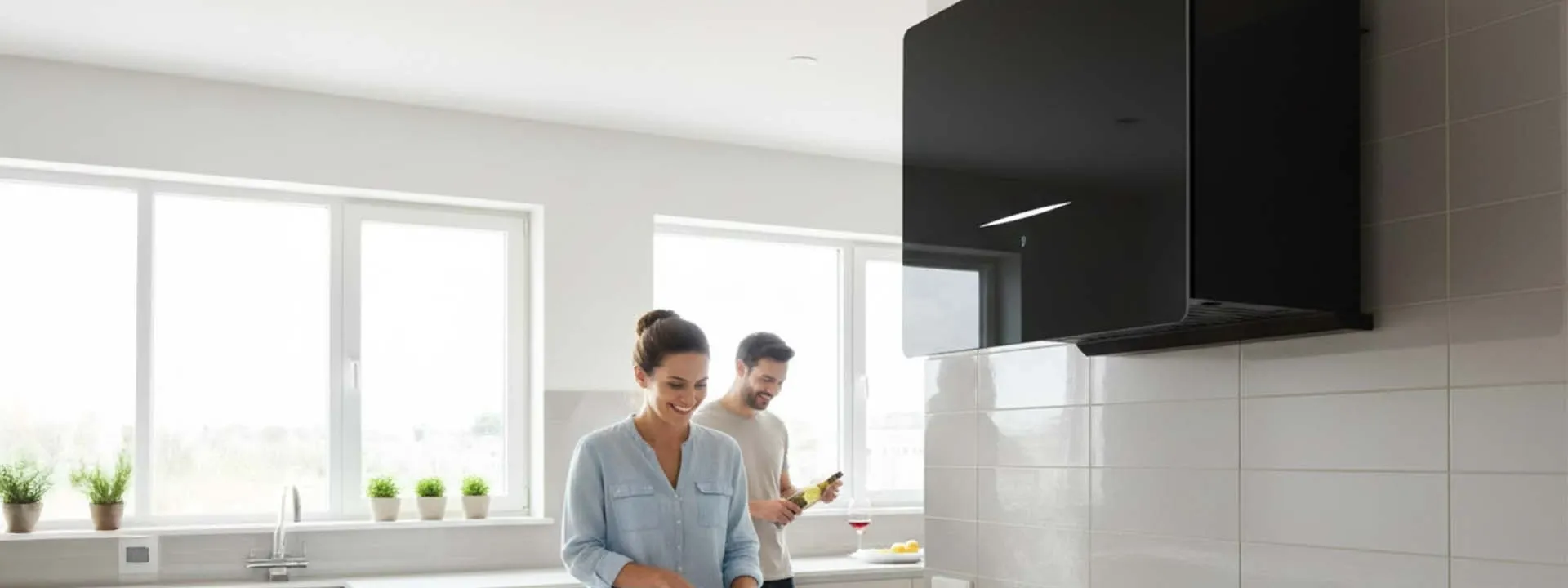
Small kitchens present unique challenges when it comes to ventilation and air quality management. Whether you're living in a compact apartment or working with limited kitchen space, proper ventilation remains essential for maintaining a healthy cooking environment. A ductless chimney for small kitchens offers an ideal solution that combines effective air purification with space-saving design. Unlike traditional ducted systems that require external venting, these innovative appliances work by filtering and recirculating air back into your kitchen, making them perfect for modern urban homes where structural modifications aren't always possible.
A ductless range hood operates on a fundamentally different principle than traditional chimney systems. Instead of expelling air outside through ducts, these units use advanced filtration technology to clean cooking fumes, smoke, and odors before recirculating the purified air back into your kitchen. This recirculating range hood system makes them particularly suitable for apartments and compact spaces where installing external ducting isn't feasible.
Small kitchen ventilation becomes crucial when cooking in confined spaces. Without proper air circulation, cooking odors, grease particles, and smoke can quickly overwhelm a compact area, leading to poor air quality and potential health concerns. The concentrated cooking activities in small kitchens generate higher levels of pollutants per square foot, making effective ventilation even more critical than in larger spaces.
Traditional ducted chimneys require external venting through walls or roofs, which often involves significant structural modifications. A ventless chimney eliminates this requirement entirely, using multi-stage filtration to clean air internally. This makes installation simpler and more cost-effective, especially for renters who cannot make permanent modifications to their living spaces.
Effective small kitchen ventilation removes harmful particles and gases produced during cooking. These include nitrogen dioxide from gas burners, particulate matter from frying, and various volatile organic compounds. Poor ventilation can lead to respiratory issues and contribute to indoor air pollution levels that exceed outdoor standards.
Ductless chimneys offer several advantages that make them particularly well-suited for compact cooking spaces. Their design flexibility and installation simplicity address many common challenges faced by small kitchen owners. These benefits extend beyond mere convenience to include practical advantages that can significantly improve your cooking experience.
The space-saving nature of these appliances cannot be overstated. Traditional ducted systems require clearance for ductwork and external venting points, which can consume valuable space in already cramped kitchens. Ductless models eliminate these requirements entirely.
A chimney for apartment living must accommodate various structural limitations. Ductless models can be installed virtually anywhere with adequate electrical supply, making them ideal for rental properties or buildings with strict modification policies.
Installation costs remain significantly lower than ducted alternatives. You avoid expenses related to ductwork installation, wall penetrations, and potential structural modifications. Maintenance costs also tend to be lower, with filter replacement being the primary ongoing expense.
Modern compact kitchen hood designs complement contemporary kitchen aesthetics. These units often feature sleek profiles that don't overwhelm small spaces while providing effective ventilation performance.
Understanding the technology behind ductless chimneys helps you make informed decisions about features and performance expectations. These systems rely on sophisticated filtration technology rather than simple air expulsion. The process involves multiple stages of air treatment to ensure effective removal of cooking byproducts.
The heart of any recirculating range hood lies in its filtration system. Most units employ a combination of grease filters and carbon filters to address different types of airborne contaminants. This dual-stage approach ensures comprehensive air cleaning before recirculation.
Grease filters capture oil particles and larger debris from cooking. These typically use aluminum mesh or stainless steel construction for durability and easy cleaning. Carbon filters handle odor removal through activated charcoal technology, which absorbs volatile organic compounds responsible for cooking smells.
The motor determines suction power, measured in cubic feet per minute (CFM). For small kitchens, units with 200-400 CFM typically provide adequate performance. Higher CFM ratings offer more powerful suction but may generate increased noise levels.
Modern ductless chimneys function as comprehensive kitchen air purifier systems. Some models include additional features like ionizers or UV sterilization to further improve air quality beyond basic filtration.
Selecting the right ductless chimney requires careful consideration of various features that impact performance, convenience, and longevity. The compact nature of small kitchens means every feature must provide genuine value without adding unnecessary complexity. Understanding which features matter most helps you prioritize your budget and ensure optimal performance.
Size compatibility represents the most fundamental consideration. Your chosen unit must fit within available space while providing adequate coverage for your cooking area. Most small kitchens work well with 60cm models, though larger cooking surfaces may benefit from 90cm units.
Proper sizing ensures effective capture of cooking fumes and smoke. The chimney should extend at least as wide as your cooktop, with some overlap for optimal performance. Height considerations matter equally, as insufficient clearance can reduce effectiveness.
Touch controls and digital displays enhance user experience while maintaining easy cleaning. Motion sensors can automatically activate the unit when you approach the cooking area, providing hands-free operation during busy cooking sessions.
Integrated LED lighting serves dual purposes by illuminating your cooking surface while indicating operational status. Quality lighting can eliminate the need for additional task lighting in compact kitchens.
Filter replacement indicators help maintain optimal performance by alerting you when cleaning or replacement becomes necessary. Some advanced models include auto-clean functions that reduce maintenance requirements.
Proper installation ensures optimal performance and safety for your ductless chimney system. While these units offer simpler installation than ducted alternatives, following correct procedures remains essential for effective operation. Most homeowners can complete installation with basic tools and electrical knowledge, though professional installation ensures warranty compliance.
Pre-installation planning involves measuring available space, identifying electrical requirements, and selecting optimal mounting locations. Wall studs must support the unit's weight, and electrical connections should meet local codes and manufacturer specifications.
Basic installation requires a drill, level, screwdriver set, and electrical testing equipment. Wall anchors or mounting brackets come included with most units. Ensure electrical supply matches unit requirements before beginning installation.
Mark mounting points using provided templates, ensuring level installation for proper operation. Electrical connections should follow manufacturer specifications and local electrical codes. Test all functions before completing installation to verify proper operation.
Install filters according to manufacturer instructions and test all speed settings and lighting functions. Verify proper air circulation and check for any unusual noises or vibrations that might indicate installation issues.
Regular maintenance ensures your ductless chimney continues operating at peak efficiency while extending its operational lifespan. Unlike ducted systems that require ductwork cleaning, ductless units focus maintenance efforts on filter care and motor maintenance. Establishing a regular maintenance routine prevents performance degradation and maintains optimal air quality.
Filter maintenance represents the most critical aspect of ductless chimney care. Grease filters require regular cleaning to prevent clogging, while carbon filters need periodic replacement to maintain odor removal kitchen effectiveness. Neglecting filter maintenance can reduce suction power and allow cooking odors to persist.
Clean grease filters monthly with warm soapy water or dishwasher cleaning. Carbon filters typically require replacement every 3-6 months, depending on cooking frequency and types of food prepared. Heavy cooking or frequent frying may necessitate more frequent replacement.
Wipe exterior surfaces regularly with appropriate cleaners for your unit's finish. Avoid harsh chemicals that might damage stainless steel or painted surfaces. Check motor mounting periodically to ensure secure installation and minimal vibration.
Monitor suction performance and noise levels for changes that might indicate maintenance needs. Unusual sounds or reduced effectiveness often signal filter replacement requirements or potential mechanical issues requiring professional attention.
Yes, ductless chimneys work very well in small kitchens. They provide effective odor removal kitchen functionality and grease filtration without requiring external ducting. Their compact design suits small spaces perfectly, and modern filtration technology ensures good air quality. However, they work best with moderate cooking loads and may struggle with very heavy cooking or excessive smoke production.
Ductless chimney prices in India range from INR 6,000 for basic models to INR 25,000 for premium units. Mid-range options with good features typically cost INR 12,000-18,000. Installation costs remain minimal since no ductwork is required. Factor in ongoing filter replacement costs of INR 500-1,500 annually depending on usage.
Most ductless chimneys can be installed by homeowners with basic DIY skills. The process involves mounting the unit to the wall and connecting electrical supply. However, electrical connections should follow local codes, and professional installation ensures warranty coverage. Complex installations or electrical work may require professional assistance.
Grease filters require cleaning monthly but don't need replacement unless damaged. Carbon filters need replacement every 3-6 months for optimal odor removal kitchen performance. Heavy cooking or frequent frying may require more frequent carbon filter changes. Most units include filter replacement indicators to guide timing.
For small kitchens, 60cm ductless chimneys typically provide adequate coverage for standard cooktops. The chimney should be at least as wide as your cooking surface for effective capture. Consider 90cm models if you have larger cooktops or do extensive cooking. Suction capacity of 200-400 CFM works well for most small kitchen applications.
Ductless chimneys can handle light to moderate smoke through their filtration systems. However, they're less effective than ducted systems for heavy smoke removal since they recirculate rather than expel air. They work best for normal cooking activities and may struggle with activities that generate excessive smoke or steam.
Choosing the right ductless chimney for small kitchens requires balancing performance needs with space constraints and budget considerations. These versatile appliances offer excellent solutions for apartment living and compact spaces where traditional ducted systems aren't practical. Focus on proper sizing, adequate suction power, and quality filtration systems to ensure effective air cleaning.
Regular maintenance, particularly filter care, ensures optimal performance and longevity. While ductless systems may not match the raw power of ducted alternatives, they provide excellent value for small kitchen applications. Consider your cooking habits, space limitations, and budget when selecting features and models. With proper selection and maintenance, a quality ductless chimney can significantly improve air quality and cooking comfort in your small kitchen space.
