

How to Choose the Right Chimney Fan for Your Fireplace
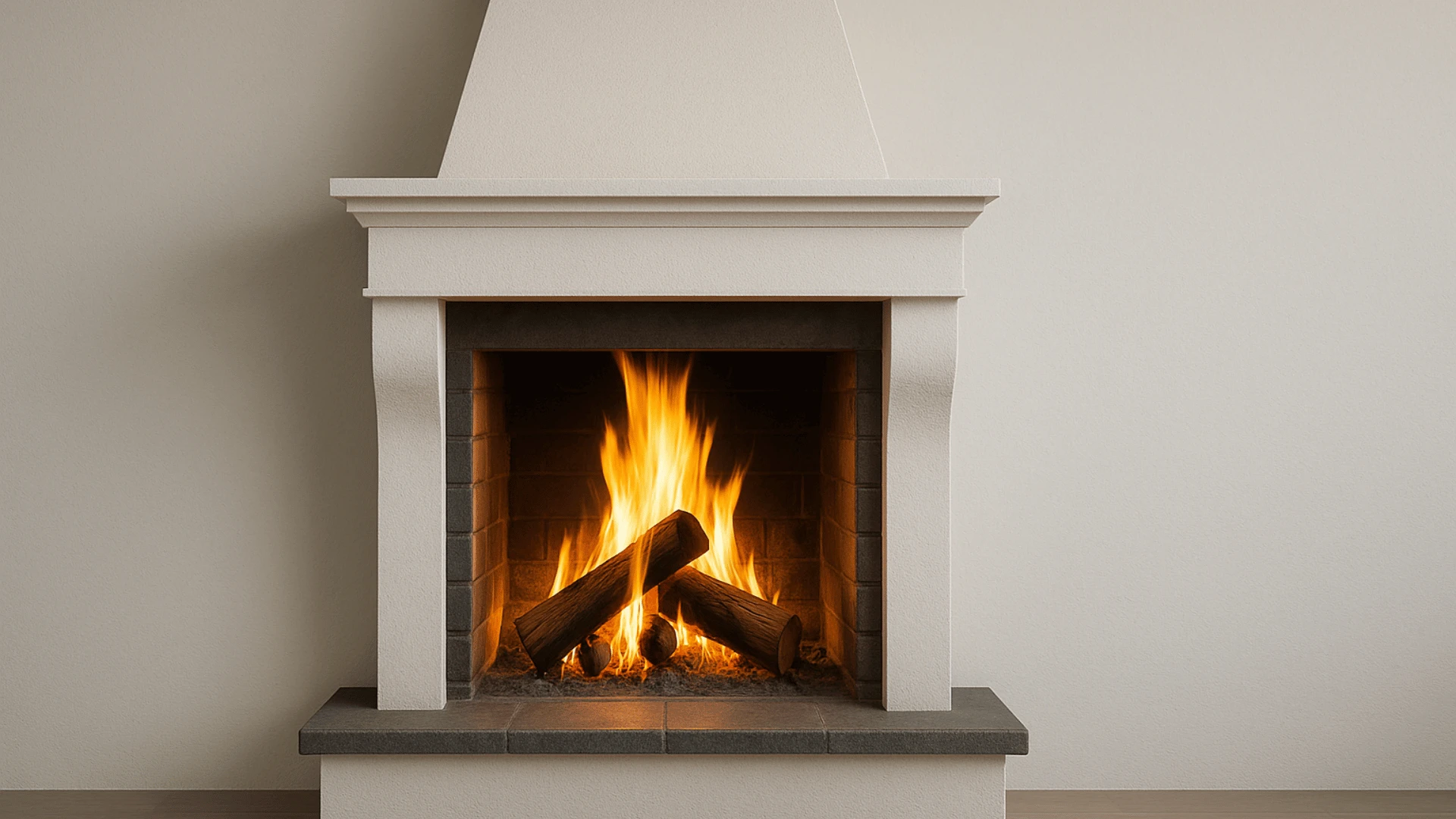
A well-functioning fireplace creates the perfect ambiance for cozy evenings, but without proper ventilation, it can quickly become a source of smoke, poor air quality, and inefficient heating. Many homeowners struggle with inadequate fireplace air circulation, leading to smoky rooms and uneven temperatures. The solution lies in choosing the right chimney fan – a device that can transform your fireplace from a problematic feature into the heart of your home. Understanding how chimney ventilation works and selecting the appropriate fireplace ventilation system ensures optimal performance, safety, and comfort for years to come.
A chimney fan is a mechanical device designed to enhance the natural draft in your fireplace by actively pulling smoke and combustion gases up through the chimney. These devices work by creating negative pressure that assists the upward flow of air, ensuring complete smoke extraction and improved fireplace efficiency.
There are several types of chimney fans, each serving specific purposes in fireplace ventilation systems. Chimney draft inductors are mounted at the top of the chimney and pull air upward, while fireplace blowers circulate air around the firebox to distribute heat more effectively throughout the room.
Chimney exhaust fans serve multiple critical functions. They eliminate smoke backflow, reduce creosote buildup, and improve overall air quality in your home. The enhanced ventilation also increases heating efficiency, allowing you to get more warmth from less fuel while maintaining a cleaner, more comfortable living environment.
Proper fireplace air circulation prevents dangerous carbon monoxide buildup and reduces fire hazards associated with poor ventilation. These systems also minimize maintenance requirements by keeping chimney and reducing the frequency of professional cleaning services.
Several indicators suggest your fireplace would benefit from improved chimney ventilation. Recognizing these signs early can prevent safety issues and improve your fireplace experience significantly.
Poor draft is the most obvious sign, manifesting as smoke entering your room instead of going up the chimney. This occurs when natural draft is insufficient to overcome air pressure differences in your home.
Inefficient heating performance often indicates inadequate air circulation. If your fireplace produces little heat despite burning properly, a fireplace fan can dramatically improve heat distribution and overall warming capacity.
Excessive creosote buildup suggests poor ventilation, as incomplete combustion creates more deposits. Additionally, persistent smoky odors even when the fireplace isn't in use indicate trapped gases that proper ventilation would eliminate.
Different chimney fan types serve various applications, and understanding these differences helps you make an informed choice. Electric smoke extractors are the most common type, offering reliable performance with minimal maintenance requirements.
Centrifugal blowers provide powerful air movement and work well in challenging installations where natural draft is particularly poor. These units handle higher volumes of air and resist backdraft more effectively than other types.
Ceiling-mounted fans integrate seamlessly with your room's design while providing effective air circulation. These units work particularly well in modern homes where aesthetics matter as much as functionality.
Residential fireplace ventilation systems prioritize quiet operation and energy efficiency, while commercial units focus on high-volume air movement. Most homes require residential-grade equipment unless dealing with unusually large fireplaces or challenging installation conditions.
Choosing the right chimney exhaust fan requires careful consideration of multiple factors. Room size directly impacts the air volume that needs circulation, with larger spaces requiring more powerful units to achieve effective ventilation.
Your fireplace usage patterns also influence selection. Heavy users need robust systems capable of handling frequent operation, while occasional users can opt for lighter-duty equipment that prioritizes quiet operation over maximum power.
Chimney a crucial role in fan selection. Standard chimney sizes require specific fan capacities to achieve optimal airflow without creating excessive pressure differences that could damage your chimney structure.
Noise levels become particularly important in residential settings. Modern fireplace blowers offer variable speed controls that allow you to balance performance with quiet operation, ensuring comfort during extended use.
Energy-efficient models reduce operating costs while providing excellent performance. Look for units with ECM motors and smart controls that automatically adjust operation based on actual ventilation needs, potentially saving hundreds of rupees annually in electricity costs.
Proper chimney fan installation ensures optimal performance and longevity. While some homeowners attempt DIY installation, professional installation guarantees proper sizing, positioning, and electrical connections that maximize safety and efficiency.
Professional installation typically costs between INR 5,000 to INR 15,000, depending on complexity and local labor rates. This investment ensures proper operation and maintains warranty coverage on your equipment.
Key installation considerations include proper electrical connections, secure mounting, and adequate clearance for maintenance access. Professional installers also ensure compliance with local building codes and safety regulations.
Regular chimney fan maintenance includes cleaning fan blades, checking electrical connections, and lubricating moving parts. Most units require annual professional service to maintain peak performance and prevent premature failure.
Troubleshooting common problems helps maintain reliable operation. Unusual noises often indicate worn bearings, while reduced airflow suggests blade cleaning or motor issues that require professional attention.
Comparing chimney fans with traditional ventilation methods helps clarify the best solution for your specific situation. Natural draft relies on temperature differences and can be unreliable in certain weather conditions or home configurations.
Mechanical ventilation provides consistent performance regardless of external conditions. This reliability makes chimney fans particularly valuable in modern, well-sealed homes where natural draft may be insufficient.
Active ventilation systems handle varying conditions more effectively than passive systems. They also provide better control over air circulation, allowing you to adjust performance based on immediate needs.
While initial costs range from INR 10,000 to INR 50,000 depending on system complexity, the improved efficiency and reduced maintenance costs often justify the investment within a few years of operation.
Yes, properly installed chimney fans significantly improve ventilation performance. They create consistent draft that eliminates smoke problems and enhances heating efficiency, particularly in modern homes with tight construction.
Quality chimney fans typically last 10-15 years with proper maintenance. Chimney fan replacement becomes necessary when motors fail, efficiency decreases significantly, or noise levels become excessive.
Most residential chimney fans operate reliably for 12-15 years. Factors affecting lifespan include usage frequency, maintenance quality, and environmental conditions such as humidity and temperature extremes.
While possible for experienced DIYers, professional installation is recommended for safety and warranty reasons. Electrical connections and proper sizing require expertise to ensure optimal performance and compliance with local codes.
Selecting the right chimney fan transforms your fireplace experience by ensuring proper ventilation, improved heating efficiency, and enhanced safety. Consider room size, usage patterns, and technical specifications when making your choice. Professional installation and regular maintenance maximize performance and longevity, while proper selection criteria ensure you get the best value for your investment. Quality chimney ventilation systems provide years of reliable service, making them a worthwhile upgrade for any home with a fireplace.
