

How to Choose the Perfect Modern Cooktop Guide
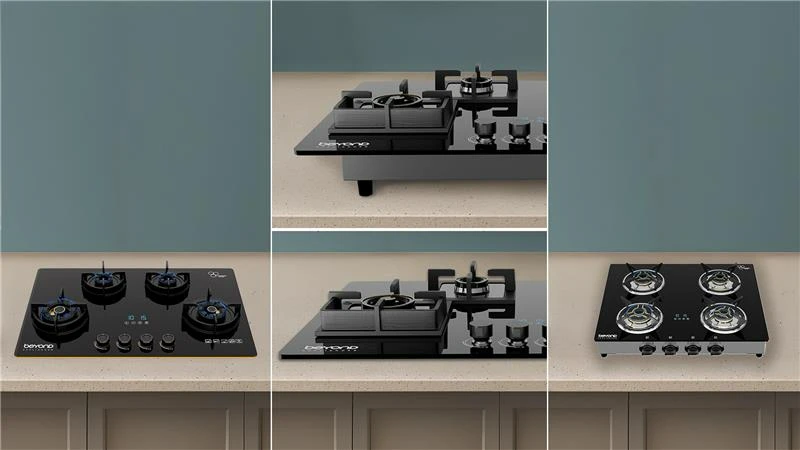
Choosing the perfect cooktop for your home can transform your entire cooking experience. With so many modern cooktops available today, from traditional gas models to cutting-edge induction systems, making the right choice requires understanding your cooking style, kitchen layout, and long-term needs. The best modern cooktops for home combine efficiency, safety, and style to create a cooking surface that enhances both functionality and kitchen aesthetics. Whether you're renovating your kitchen or upgrading from an older model, this comprehensive guide will help you navigate the various options and find the perfect cooktop that matches your culinary aspirations and lifestyle requirements.
The foundation of choosing the best modern cooktops for home starts with understanding the three main types available in today's market. Each type offers distinct advantages and considerations that can significantly impact your cooking experience and kitchen efficiency.
Gas cooktops remain popular among home cooks who prefer instant heat control and visual flame indicators. Modern gas models feature sleek stainless steel surfaces and tempered glass tops that combine traditional cooking performance with contemporary aesthetics. The immediate response to heat adjustments makes gas cooktops ideal for techniques requiring precise temperature control, such as searing meats or simmering delicate sauces. Safety features in today's gas cooktops include automatic ignition systems and flame failure protection that automatically shuts off gas flow if the flame goes out.
Electric cooktops offer smooth, easy-to-clean surfaces that integrate seamlessly into modern kitchen designs. These models use either radiant heating elements beneath a glass-ceramic surface or traditional coil elements. Radiant electric cooktops provide even heat distribution and maintain consistent temperatures, making them excellent for slow cooking and maintaining steady heat levels. The flat surface design makes cleaning simple and creates a streamlined appearance that complements contemporary kitchen aesthetics.
Induction cooktops represent the most advanced cooking technology available for home kitchens. These systems use electromagnetic fields to heat compatible cookware directly, resulting in faster cooking times and superior energy efficiency. Induction technology transfers up to 90% of generated energy directly to the cookware, compared to 40-50% efficiency in gas systems. The cooktop surface remains relatively cool during cooking, reducing burn risks and making cleanup easier since spills don't bake onto the surface.
Selecting the right kitchen cooktops involves evaluating several key features that impact both daily usability and long-term satisfaction. Understanding these features helps ensure your investment meets your cooking needs and kitchen requirements.
Modern cooktops come in various sizes and burner configurations to accommodate different kitchen layouts and cooking styles. Two-burner models work well for small kitchens or as secondary cooking surfaces, while four-burner configurations provide maximum cooking flexibility for larger families. Portable cooktops offer additional versatility, allowing you to add cooking capacity for special occasions or use them in outdoor settings. Consider your typical cooking patterns and available counter space when selecting the appropriate size and configuration.
Advanced safety features distinguish the best cooktops from basic models. Auto-ignition systems eliminate the need for matches or lighters, while flame failure protection automatically shuts off gas flow if flames are extinguished. Child safety locks prevent accidental activation, and overheat protection systems monitor surface temperatures to prevent damage. Touch controls offer precise temperature adjustment and easy cleaning, though some cooks prefer traditional knobs for tactile feedback during cooking.
The construction materials significantly impact both durability and maintenance requirements. Stainless steel surfaces resist stains and scratches while providing professional-grade appearance. Tempered glass tops offer easy cleaning and modern aesthetics but require careful handling to prevent damage. Heat-resistant ceramic options provide excellent thermal properties and attractive finishes that complement various kitchen designs.
Energy efficiency has become a crucial consideration for homeowners seeking to reduce utility costs and environmental impact. Energy efficient cooktops can significantly lower operating expenses while providing superior cooking performance.
Induction cooktops lead in energy efficiency, converting up to 90% of electrical energy into usable heat compared to 70% for electric radiant systems and 40-50% for gas models. This efficiency translates to faster cooking times and lower energy bills. Gas cooktops offer lower operating costs in areas with inexpensive natural gas, but their lower efficiency means more energy waste. Electric systems fall between gas and induction in both efficiency and operating costs, depending on local electricity rates.
While induction cooktops typically require higher initial investment, their superior efficiency often results in lower lifetime costs. Gas models generally have lower upfront costs but may require professional installation for gas line connections. Electric cooktops offer moderate initial costs and installation simplicity but may have higher operating expenses in areas with expensive electricity. Consider both purchase price and projected operating costs when evaluating long-term value.
Proper installation and maintenance ensure optimal performance and longevity from your modern cooktops investment. Understanding these requirements helps you plan for successful integration into your kitchen.
Gas cooktops require professional installation to ensure safe gas line connections and proper ventilation. Electric and induction models may allow DIY installation if appropriate electrical circuits exist, but professional installation ensures compliance with local codes and warranty requirements. Adequate ventilation is essential for all cooktop types, with gas models requiring more robust exhaust systems to remove combustion byproducts.
Regular cleaning maintains both appearance and performance of your cooktop. Glass and ceramic surfaces require gentle cleaners and soft cloths to prevent scratching. Stainless steel surfaces benefit from specialized cleaners that prevent water spots and maintain shine. Gas burners need periodic cleaning to ensure proper flame patterns, while electric elements should be checked for damage or warping. Professional service may be needed for gas line issues, electrical problems, or component replacement.
Induction cooktops are the most energy efficient, converting up to 90% of electrical energy into usable heat. This efficiency results in faster cooking times and lower energy consumption compared to gas or electric radiant systems.
Induction cooktops require magnetic cookware made from materials like cast iron, carbon steel, or magnetic stainless steel. Aluminum, copper, and non-magnetic stainless steel cookware will not work unless they have magnetic bases.
Installation costs vary by type and complexity. Electric cooktop installation typically ranges from INR 3,000-8,000, while gas cooktop installation may cost INR 5,000-15,000 depending on gas line requirements and local labor rates.
Electric and induction cooktops may allow DIY installation if proper electrical circuits exist, but gas cooktops require professional installation for safety and code compliance. Always check local regulations and manufacturer warranties before attempting DIY installation.
Selecting the best modern cooktops for home requires balancing your cooking preferences, kitchen layout, energy efficiency goals, and budget considerations. Induction cooktops offer superior efficiency and safety features, making them ideal for modern kitchens prioritizing performance and environmental responsibility. Gas cooktops provide traditional cooking control preferred by many experienced cooks, while electric models offer reliable performance and easy maintenance. Consider your cooking style, available utilities, and long-term kitchen plans when making your decision. Investing in quality construction and appropriate features ensures years of reliable cooking performance and enhanced kitchen functionality.
