

How to Choose the Perfect Kitchen Hood: A Guide
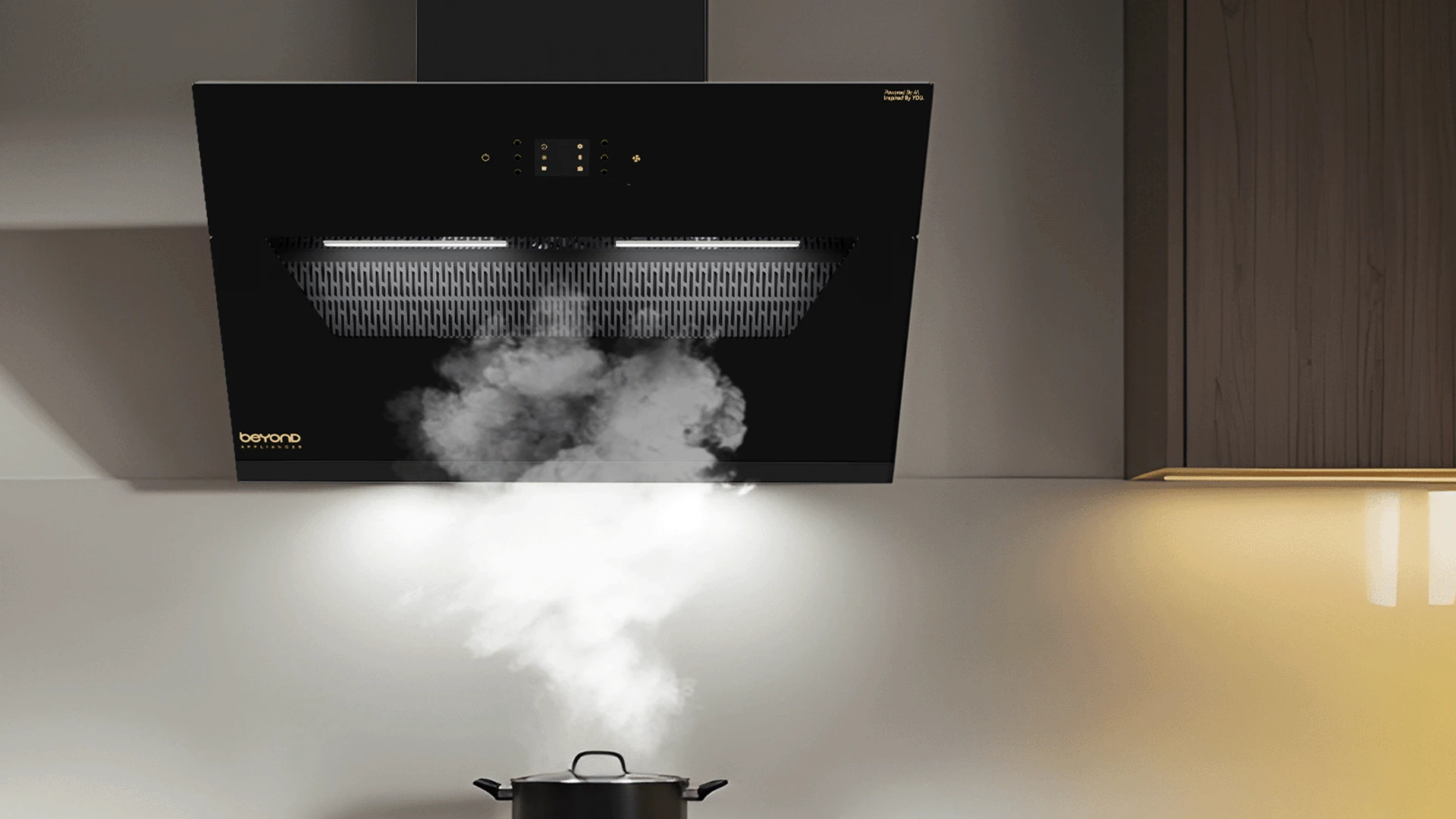
Choosing the right kitchen hood transforms your cooking experience from smoky chaos to culinary bliss. A well-selected kitchen ventilation system protects your home from grease, odors, and harmful cooking fumes while keeping your kitchen fresh and clean. Whether you're renovating your entire kitchen or simply upgrading your current setup, understanding the fundamentals of kitchen hood selection ensures you make an informed decision that serves your family for years to come.
A kitchen hood, also known as a range hood or vent hood, is your kitchen's primary defense against cooking byproducts. These appliances extract smoke, steam, grease particles, and odors directly from your cooking area, preventing them from spreading throughout your home. Modern kitchen exhaust fans also help regulate temperature and humidity levels, creating a more comfortable cooking environment. Proper kitchen ventilation significantly improves indoor air quality by removing potentially harmful pollutants generated during cooking. This is especially important in Indian kitchens where high-heat cooking and aromatic spices can create intense smoke and strong odors.
Wall-mounted hoods attach directly to the wall above your cooktop, offering powerful extraction capabilities for open kitchen designs. These units typically provide higher CFM ratings and work well for heavy cooking. Under-cabinet range hoods fit neatly beneath existing cabinetry, maximizing space efficiency while providing adequate ventilation for standard cooking needs.
Island hoods suspend from the ceiling above kitchen islands, serving as both functional appliances and design statements. These units require careful sizing since they lack surrounding walls to help contain cooking vapors. Downdraft ventilation offers an innovative alternative, pulling air downward through vents integrated into or beside the cooktop surface.
Choosing kitchen hood dimensions requires careful measurement and consideration of your cooking habits. The fundamental rule states that your hood width should equal or exceed your cooktop width by at least 3 inches on each side. This ensures adequate capture of cooking vapors before they escape into your kitchen. Standard hood widths include 60cm, 75cm, and 90cm options, corresponding to common cooktop sizes. A 60cm cooktop works perfectly with a 60cm hood, though upgrading to a 75cm or 90cm unit provides enhanced capture efficiency.
Mount your kitchen hood 24-30 inches above gas cooktops and 20-24 inches above electric surfaces. This positioning balances effective vapor capture with comfortable cooking clearance. Hood depth should extend at least as far as your cooktop, with deeper units providing superior containment.
CFM (Cubic Feet per Minute) measures your kitchen exhaust fan's air movement capacity. Calculate your minimum CFM requirement using the industry standard of 100 CFM per linear foot of cooktop width. A 30-inch cooktop requires at least 250 CFM, while a 36-inch surface needs 300 CFM minimum. Indian cooking typically demands higher CFM ratings due to high-heat techniques and aromatic spice usage. Consider increasing your calculated CFM by 25-50% if you frequently prepare spicy dishes, deep-fry foods, or use multiple burners simultaneously.
Your kitchen's total air volume affects ventilation requirements. Calculate room volume by multiplying length × width × height, then ensure your hood can replace the air 10-15 times per hour. Larger kitchens with high ceilings may require more powerful units to maintain effective air circulation.
Modern kitchen hoods incorporate advanced features that enhance performance and user experience. Stainless steel baffle filters effectively capture grease while remaining dishwasher-safe for easy maintenance. These filters outperform traditional mesh designs in both efficiency and durability. Variable speed controls allow you to adjust extraction power based on cooking intensity. Low speeds handle light sautéing, while high speeds tackle heavy frying or grilling. Quality motors operate quietly, typically producing 3-6 sones at maximum speed.
Integrated LED lighting illuminates your cooking surface while consuming minimal energy. Many modern hoods feature touch controls, timer functions, and automatic shutoff capabilities. Some premium models include smart connectivity for remote operation and maintenance reminders.
Choose hoods with easily removable, dishwasher-safe filters for convenient cleaning. Indicator lights remind you when filter cleaning or replacement is due. Ductless models require charcoal filters for odor removal, which need periodic replacement.
Ducted installations provide superior performance by venting air directly outside your home. These systems require exterior wall access and proper ductwork installation. Ductless or recirculating hoods filter and return air to the kitchen, making them suitable for apartments or homes without exterior venting options. Professional installation ensures proper mounting, electrical connections, and ductwork setup. While some homeowners attempt DIY installation, complex electrical work and structural mounting often require professional expertise.
Plan ductwork routes to minimize bends and maximize efficiency. Shorter, straighter duct runs provide better performance than long, winding paths. Check local building codes for exterior venting requirements and obtain necessary permits before installation.
Heavy cooking requires robust ventilation systems with high CFM ratings and durable construction. If you frequently prepare elaborate meals, deep-fry foods, or use multiple cooking surfaces simultaneously, invest in a powerful wall-mounted or island hood with at least 400-600 CFM capacity. Light cooking needs can be met with smaller under-cabinet units offering 250-350 CFM. These hoods handle basic sautéing, boiling, and light frying while maintaining quiet operation and energy efficiency.
Indian cooking generates intense heat, aromatic spices, and significant amounts of smoke and steam. Choose hoods with high CFM ratings (400+ CFM), stainless steel construction, and powerful motors. Baffle filters handle grease-heavy cooking better than mesh alternatives.
Kitchen hood prices range from INR 8,000 for basic under-cabinet models to INR 50,000+ for premium island units. Consider total cost of ownership, including installation, energy consumption, and maintenance expenses. Quality hoods with extended warranties often provide better long-term value despite higher upfront costs. Factor in professional installation costs, typically ranging from INR 2,000-8,000 depending on complexity. Ductwork modifications or electrical upgrades may increase installation expenses.
LED lighting and efficient motors reduce energy consumption compared to older hood designs. Variable speed controls allow you to use only the power needed, further reducing utility costs. Consider these factors when comparing models within your budget range.
Measure your cooktop width and select a hood that matches or exceeds this dimension. Add 6 inches total width (3 inches on each side) for optimal capture efficiency.
Calculate 100 CFM per linear foot of cooktop width as your baseline. Increase this by 25-50% for heavy cooking or Indian cuisine preparation.
Yes, oversized hoods provide better vapor capture and are often recommended for improved performance, especially in open kitchen layouts.
Ductless hoods work well in apartments without exterior venting options. Choose models with high-quality charcoal filters and adequate CFM ratings for your cooking needs.
Clean stainless steel baffle filters monthly in the dishwasher. Replace charcoal filters in ductless units every 3-6 months depending on usage frequency.
Ducted hoods vent air outside your home for superior performance, while ductless units filter and recirculate air back into the kitchen.
Choosing kitchen hood success depends on matching the right size, power, and features to your specific cooking needs and kitchen layout. Prioritize proper sizing, adequate CFM ratings, and quality construction over flashy features. Remember that a well-chosen hood protects your investment in kitchen cabinets, walls, and appliances while creating a more pleasant cooking environment. Take time to measure carefully, calculate your CFM needs, and consider your long-term cooking habits before making your final decision.
