

How to Choose the Perfect Kitchen Chimney Type
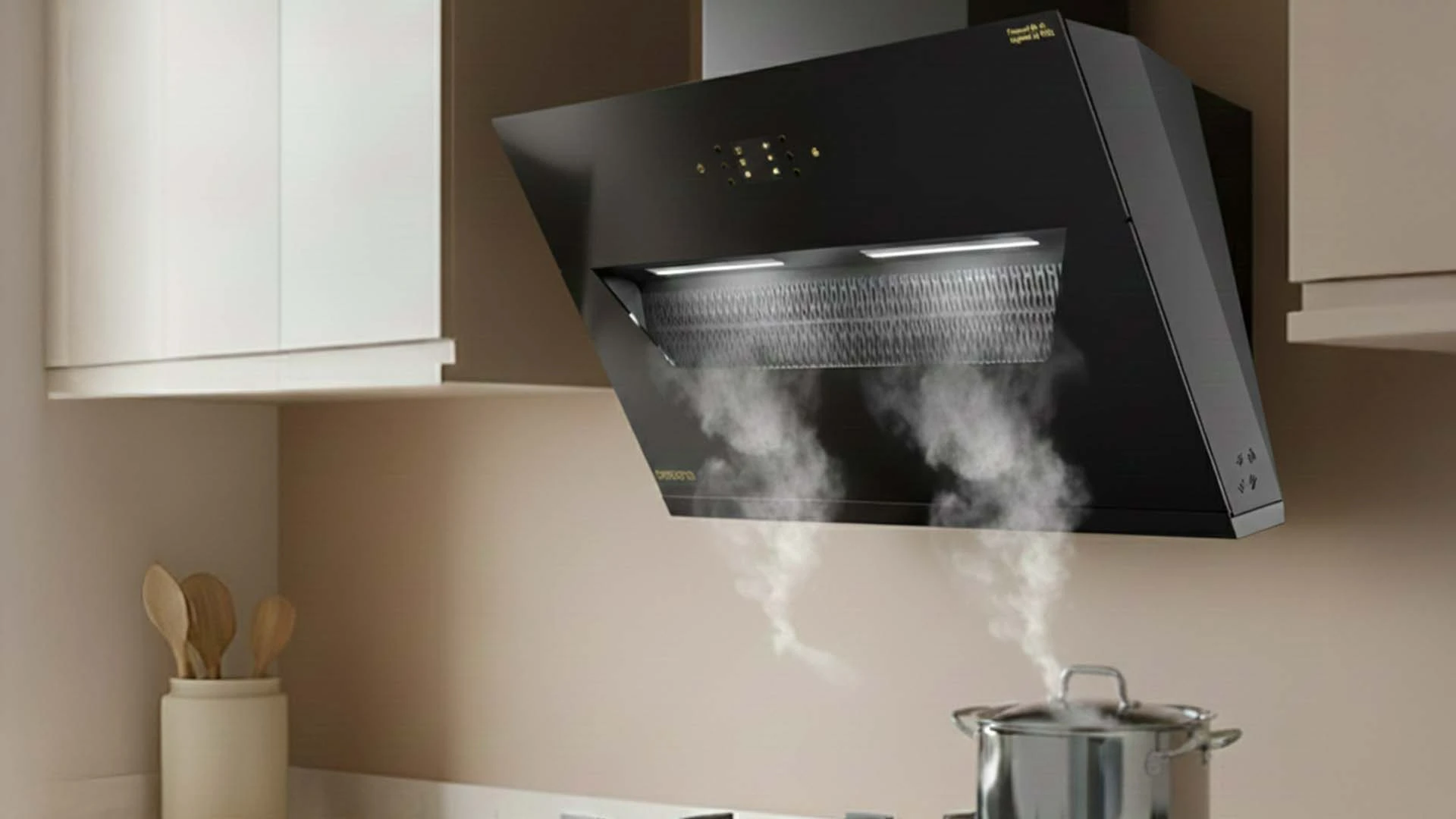
Selecting the perfect kitchen chimney can transform your cooking experience from smoky chaos to culinary bliss. With Indian cooking styles producing significant smoke, grease, and odors, choosing the right chimney type becomes crucial for maintaining a clean, comfortable kitchen environment. The market offers various chimney types, each designed for specific kitchen layouts and cooking needs. Understanding these options helps you make an informed decision that enhances both functionality and aesthetics. Whether you're renovating your existing kitchen or setting up a new one, the right chimney selection ensures efficient smoke extraction and long-term satisfaction.
Modern kitchens demand efficient ventilation solutions that match both cooking requirements and design preferences. Kitchen chimney manufacturers offer several distinct types, each engineered for specific installation scenarios and performance needs.
Wall-mounted chimneys represent the most popular choice for standard kitchen layouts. These units attach directly to the wall above your cooking surface, providing reliable ventilation without consuming excessive space. Installation requires proper wall support and adequate clearance from surrounding cabinets. Most wall-mounted models accommodate both ducted and ductless configurations, making them versatile for various home setups.
Island chimneys suit open kitchen concepts where cooking areas sit away from walls. These ceiling-mounted units provide 360-degree smoke extraction around island cooktops. Installation complexity increases due to ceiling mounting requirements and extended ductwork. However, they create stunning focal points while delivering superior ventilation performance for large cooking surfaces.
Built-in chimneys integrate seamlessly into kitchen cabinetry, creating clean, uninterrupted design lines. These units hide within custom-built enclosures, maintaining aesthetic continuity while providing effective ventilation. Installation requires precise measurements and coordination with cabinet makers. Space optimization becomes excellent, though maintenance access may require additional planning.
Corner chimneys address unique kitchen layouts where cooking areas occupy corner positions. These specialized units handle challenging ventilation angles while maximizing space utilization. Design flexibility allows creative kitchen arrangements, though installation complexity increases due to angular ductwork requirements.
Successful chimney selection depends on analyzing your specific kitchen characteristics and cooking patterns. Multiple factors influence performance, efficiency, and long-term satisfaction with your chosen ventilation solution.
Smaller kitchens under 150 square feet typically perform well with 60cm chimney widths, providing adequate coverage without overwhelming the space. Larger kitchens exceeding 150 square feet benefit from 90cm or wider units, ensuring comprehensive smoke extraction across extended cooking surfaces. Open kitchen designs require higher suction capacities to handle increased air circulation demands.
Heavy Indian cooking involving frequent frying, grilling, and spice-heavy preparations demands robust ventilation systems with superior grease handling capabilities. Light cooking patterns allow more flexibility in chimney selection, focusing on aesthetics and basic functionality. Commercial-style cooking requires industrial-grade suction power and enhanced filtration systems.
Optimal suction capacity calculation considers kitchen volume, cooking intensity, and air circulation patterns. Smaller kitchens typically require 1000-1200 cubic meters per hour, while larger spaces need 1200+ cubic meters per hour for effective ventilation. Calculating the right capacity ensures efficient operation without excessive energy consumption.
Filter technology significantly impacts chimney maintenance requirements, operational efficiency, and long-term performance. Understanding different filter types helps optimize your kitchen ventilation investment.
Baffle filters excel in Indian cooking environments, providing superior grease separation through curved metal panels that create turbulent airflow. Easy maintenance involves simple dishwasher cleaning or manual washing with degreasing agents. Long-term durability makes them cost-effective choices for heavy cooking applications.
Cassette filters offer cost-effective filtration for moderate cooking needs. These aluminum mesh filters require regular replacement every 3-6 months depending on usage intensity. Basic filtration capabilities handle light to medium cooking loads effectively, though heavy grease production may overwhelm their capacity.
Charcoal filters specialize in odor elimination, making them essential for ductless chimney installations. Recirculation systems rely on activated charcoal to neutralize cooking odors before returning air to the kitchen. Regular replacement every 6-12 months maintains optimal performance.
Proper chimney installation ensures optimal performance, safety compliance, and long-term reliability. Installation considerations vary significantly between different chimney types and kitchen configurations.
Standard installation heights range from 24-30 inches above cooktop surfaces, balancing capture efficiency with user comfort. Safety clearance requirements prevent overheating and ensure proper ventilation around the unit. Efficiency optimization involves positioning the chimney to capture rising smoke and steam effectively.
External ducting provides superior ventilation by expelling contaminated air outside, though installation complexity increases with longer duct runs. Ductless recirculation systems offer installation flexibility but require regular filter maintenance for optimal performance. Installation complexity comparison helps determine the most practical solution for your home.
Indian cooking presents unique challenges requiring specialized features that handle high heat, heavy grease production, and intense aromatic compounds. Modern kitchen chimneys incorporate advanced technologies addressing these specific requirements.
Thermal auto-clean technology uses heating elements to liquefy accumulated grease, allowing easy removal and reducing manual cleaning requirements. Maintenance reduction translates to time savings and consistent performance over extended periods. Long-term cost savings offset higher initial investment through reduced service requirements.
Acceptable noise levels typically range from 35-58 decibels, ensuring comfortable kitchen environments during operation. Silent operation features include sound-dampening materials and optimized motor designs. Kitchen comfort factors influence daily cooking enjoyment and overall satisfaction with your ventilation system.
Touch controls provide modern aesthetics and easy operation, while push buttons offer reliable, cost-effective functionality. Timer functions enable automatic shut-off, preventing unnecessary energy consumption and extending motor life. LED lighting benefits include energy efficiency and enhanced cooking visibility.
Regular maintenance ensures optimal performance, extends equipment life, and maintains warranty coverage. Understanding maintenance requirements helps budget for long-term ownership costs and prevents unexpected breakdowns.
Filter maintenance frequency depends on cooking intensity, typically ranging from monthly cleaning for heavy use to quarterly cleaning for moderate use. Professional servicing annually ensures motor health and identifies potential issues before they become costly problems. DIY cleaning methods include degreasing solutions and proper drying techniques.
Reduced suction problems often indicate clogged filters or blocked ducts requiring immediate attention. Noise increase causes include worn bearings, loose components, or accumulated debris affecting motor operation. Filter replacement indicators help maintain optimal performance and prevent system damage.
Consider your kitchen size, cooking habits, and budget. Measure your cooktop width and choose a chimney at least as wide. For Indian cooking, prioritize models with baffle filters and auto-clean features. Evaluate suction power requirements based on your kitchen volume and cooking intensity.
Assess your kitchen layout, cooking frequency, and ventilation needs. Wall-mounted chimneys suit standard kitchens, while island chimneys work for open layouts. Calculate required suction power using kitchen volume and cooking style. Consider maintenance requirements and available installation options.
60cm chimneys suit smaller kitchens under 150 square feet with 2-3 burner cooktops. 90cm chimneys better serve larger kitchens over 150 square feet with 4+ burner ranges. Choose chimney width equal to or greater than your cooktop width for optimal coverage.
Wall-mounted chimneys with baffle filters and auto-clean technology perform best for Indian cooking. Look for suction power above 1200 cubic meters per hour and thermal auto-clean features. Stainless steel construction resists corrosion from spices and high-heat cooking.
Multiply kitchen length × width × height × 10 for basic suction requirement. Add 20% for heavy cooking or open kitchen layouts. Choose chimney width matching or exceeding cooktop width. Consider ceiling height and available installation space.
Heavy Indian cooking requires minimum 1200-1500 cubic meters per hour suction power. Frequent frying and spice-heavy preparations need higher capacity units. Consider kitchen size and ventilation challenges when selecting suction power.
Ducted chimneys provide superior performance by expelling air outside but require external venting. Ductless chimneys offer installation flexibility but need regular filter replacement. Choose ducted for better efficiency or ductless for easier installation.
Choosing the right chimney type transforms your kitchen into a comfortable, efficient cooking environment. Consider your specific needs including kitchen size, cooking habits, and installation constraints when making your selection. Invest in quality features like baffle filters and auto-clean technology for Indian cooking requirements. Proper installation and regular maintenance ensure optimal performance and longevity. Remember that the best chimney balances functionality, aesthetics, and long-term value for your specific kitchen setup.
