
How to Choose the Perfect Gas Stove Chimney Guide
Cart
Your cart is empty
Choosing the right gas stove chimney can transform your cooking experience and protect your family's health. Poor ventilation leads to smoke buildup, grease accumulation, and harmful fumes that affect indoor air quality. With countless options available, finding the best chimney for gas stove requires understanding your kitchen's specific needs, cooking habits, and technical requirements. This comprehensive guide will help you navigate through different chimney types, installation considerations, and maintenance requirements to make an informed decision for your Indian kitchen.
A gas stove chimney serves as your kitchen's primary defense against smoke, odors, and airborne grease particles. Modern chimneys do more than just extract air – they filter contaminants, reduce humidity, and maintain a comfortable cooking environment.
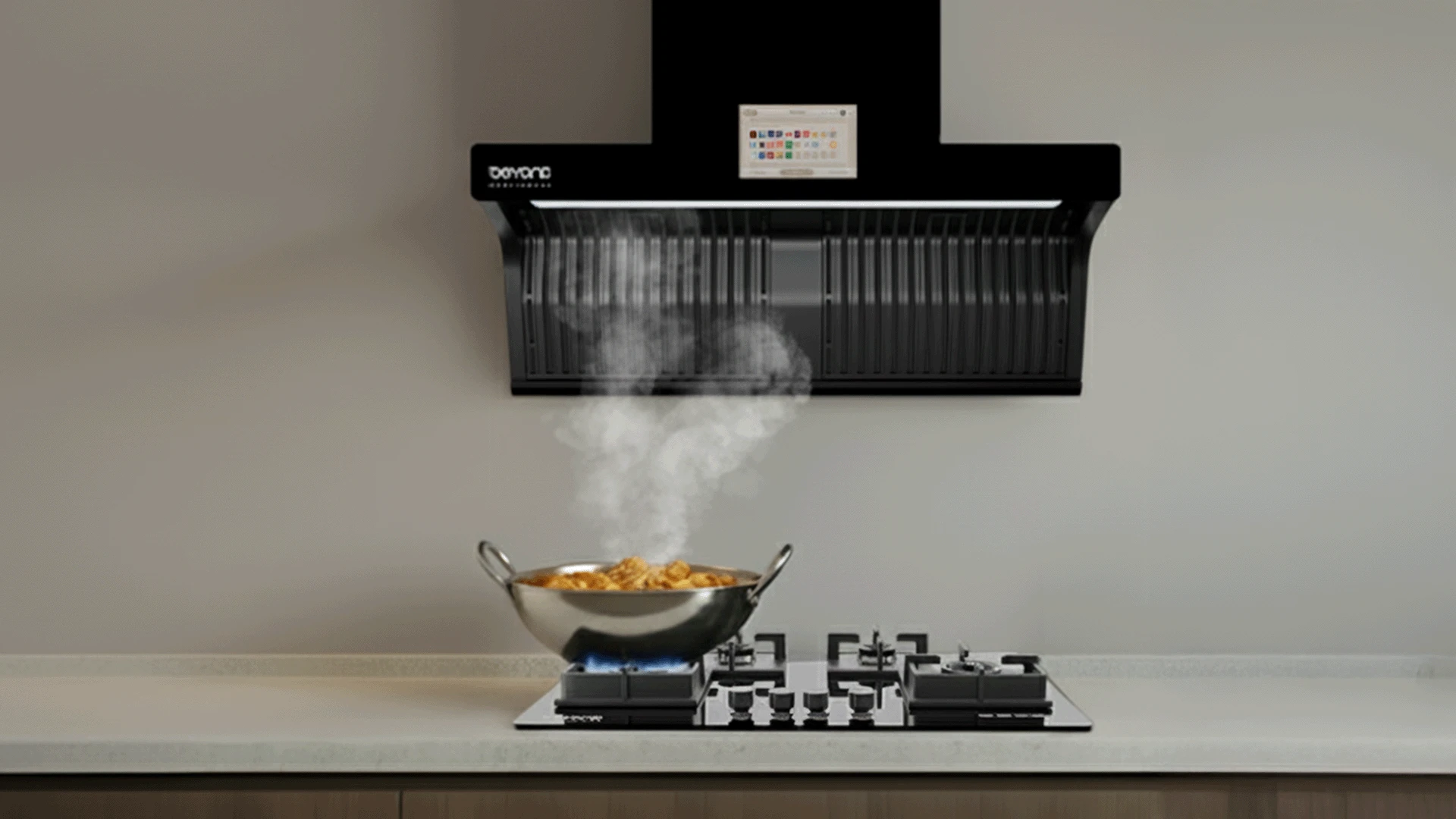
A chimney for stove is an exhaust system that removes smoke, steam, and cooking odors from your kitchen. It protects your walls from grease stains and prevents respiratory issues caused by prolonged exposure to cooking fumes. Proper gas stove ventilation also reduces fire hazards by eliminating grease buildup around cooking areas.
Wall-mounted chimneys attach directly to your kitchen wall and work perfectly for standard layouts. Island chimneys hang from the ceiling, ideal for modern open kitchens with central cooking areas. Built-in chimneys integrate seamlessly into cabinets, saving space while maintaining functionality. Ductless systems recirculate filtered air, while ducted systems vent outside through a stove exhaust pipe.
Selecting the best stove chimney depends on several critical factors that directly impact performance and user satisfaction. Understanding these elements helps you avoid costly mistakes and ensures optimal kitchen ventilation.
Suction capacity, measured in cubic meters per hour, determines how effectively your chimney removes smoke and odors. For Indian cooking, which involves heavy spices and oil, choose chimneys with 1000-1200 m³/hr capacity for kitchens up to 175 square feet. Larger kitchens require 1200-1500 m³/hr capacity for effective healthy kitchen ventilation.
Chimney size should match or exceed your gas stove width for optimal coverage. 60cm chimneys suit 2-3 burner stoves and compact kitchens, while 90cm chimneys handle 3-5 burner stoves and larger cooking areas. The general rule suggests choosing a chimney 6 inches wider than your stove for maximum efficiency.
Baffle filters use curved panels to separate grease from air, perfect for heavy Indian cooking. Cassette filters offer easy removal and cleaning but require frequent maintenance. Filterless technology uses centrifugal force and auto-clean functions, reducing manual maintenance while maintaining high efficiency.
Proper chimney installation gas stove setup ensures safety, efficiency, and longevity. Technical specifications and positioning requirements directly affect your chimney's performance and your kitchen's safety standards.
Install your chimney 24-30 inches above the gas stove for optimal suction without interference. Stove pipe types include rigid aluminum ducts for straight runs and flexible ducts for complex routing. Ensure the stove exhaust pipe has minimal bends and maintains a 6-inch diameter for efficient airflow.
Most chimneys require 220V electrical connections with proper grounding. Maintain 12-inch clearance from gas connections and ensure adequate ventilation around electrical components. Follow local building codes for venting for gas stoves to prevent safety hazards and ensure compliance.
Understanding price ranges and long-term costs helps you choose the best chimney for gas stove within your budget. Consider both initial investment and ongoing operational expenses for a complete cost analysis.
Entry-level chimneys (INR 5,000-15,000) offer basic functionality suitable for light cooking. Mid-range options (INR 15,000-30,000) provide better suction, advanced filters, and improved durability. Premium models (INR 30,000+) feature auto-clean technology, touch controls, and superior build quality for heavy usage.
Energy-efficient motors reduce electricity bills while maintaining performance. Filter replacement costs vary from INR 500-2,000 annually depending on usage and filter type. Quality chimneys last 8-12 years with proper maintenance, making initial investment worthwhile for long-term savings.
Proper installation and regular maintenance ensure your gas stove chimney operates efficiently and safely. Following manufacturer guidelines and professional recommendations extends equipment life and maintains optimal performance.
Professional installation ensures safety compliance and warranty protection, especially for complex ductwork and electrical connections. DIY installation works for simple wall-mounted units but requires technical knowledge and proper tools. Always hire professionals for gas line proximity work and complex kitchen chimney options installation.
Clean filters weekly for heavy cooking or monthly for moderate use. Wipe exterior surfaces daily and deep clean the chimney interior quarterly. Schedule annual professional servicing to check motor performance, ductwork integrity, and electrical connections for continued safe operation.
Choose a chimney that's 6 inches wider than your gas stove. For 2-3 burner stoves, 60cm chimneys work well. For 3-5 burner stoves, opt for 90cm chimneys to ensure complete coverage and effective smoke extraction.
Indian cooking requires 1000-1200 m³/hr suction capacity for kitchens up to 175 sq ft. Larger kitchens or heavy cooking needs require 1200-1500 m³/hr capacity for effective ventilation and odor removal.
Simple wall-mounted chimneys can be DIY projects if you have technical skills. However, professional installation is recommended for safety, warranty protection, and compliance with gas appliance regulations.
Ducted chimneys vent air outside through pipes, offering superior odor removal. Ductless chimneys filter and recirculate air, easier to install but less effective for heavy cooking and strong odors.
Clean baffle filters every 2-3 weeks for heavy cooking or monthly for moderate use. Cassette filters need weekly cleaning, while auto-clean chimneys require minimal manual intervention but benefit from quarterly deep cleaning.
Selecting the best chimney for gas stove requires balancing performance, budget, and kitchen requirements. Consider your cooking habits, kitchen size, and maintenance preferences when making your decision. Invest in quality brands with good after-sales service and warranty coverage. Proper installation and regular maintenance ensure years of efficient operation and healthy kitchen ventilation. Remember that a well-chosen chimney not only improves air quality but also enhances your overall cooking experience and protects your kitchen investment.
